





What's Happening?
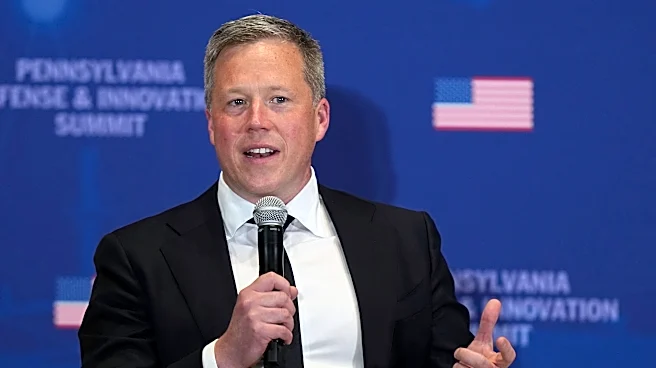
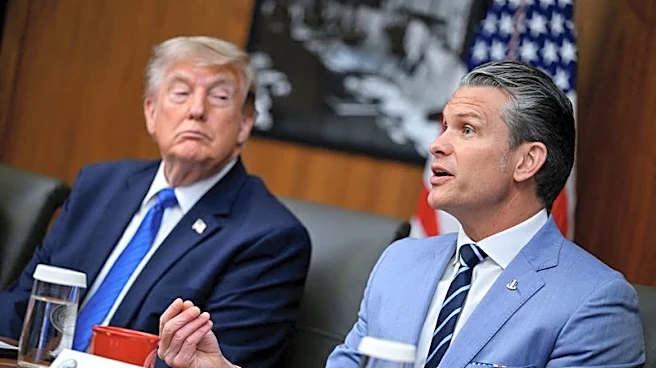
House Majority Leader Steve Scalise (R-La.) participated in the launch of the Foundry School at the Donald J. Trump Institute of Peace in Washington, D.C., on September 3, 2026. He was joined by Vice President JD Vance, Secretary of State Marco Rubio,
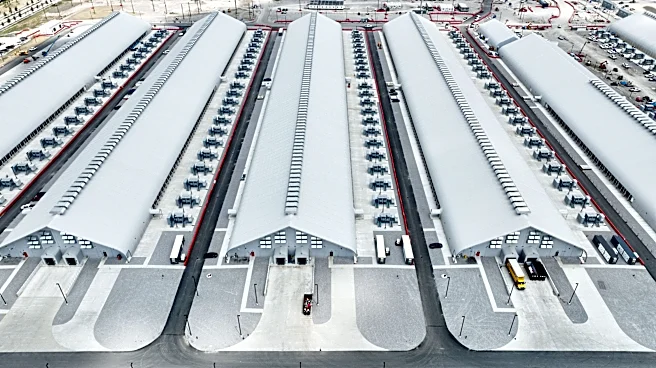
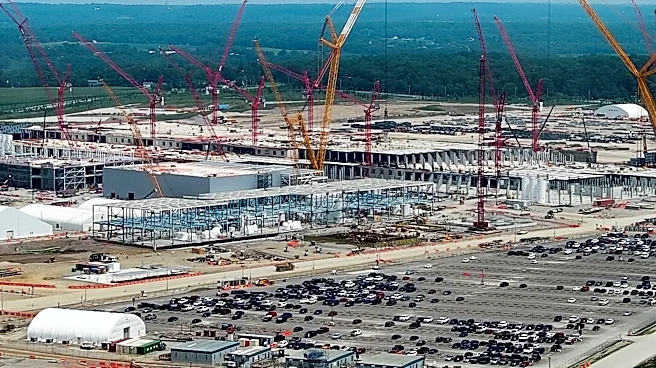
and Under Secretary of State Jacob Helberg. The initiative aims to bolster America's manufacturing sector and prepare a new generation of industry leaders. Scalise highlighted the resurgence of U.S. manufacturing under President Trump's administration, noting a surge in activity and job creation. He emphasized the importance of equipping American workers with the skills needed to compete globally, particularly with China, in critical industries such as artificial intelligence, semiconductors, and advanced manufacturing. The Foundry School is designed to foster partnerships between universities and industry leaders to address the projected need for nearly four million skilled manufacturing workers by 2033.
Why It's Important?
This initiative is crucial for the U.S. economy and national security as it directly addresses the need to strengthen domestic manufacturing and reduce reliance on foreign adversaries, particularly China. By focusing on workforce development and skill-building in key sectors, the Foundry School aims to ensure America's competitive edge in industries that will define the next century. The emphasis on public-private partnerships, bringing together universities and business leaders, is vital for aligning educational programs with industry demands. The program's success could lead to more high-paying jobs, increased innovation, and a more resilient supply chain, safeguarding critical technologies and defense capabilities. This effort aligns with broader Republican policies under President Trump, such as tax cuts and deregulation, designed to incentivize domestic investment and job creation, thereby fostering economic growth and national self-sufficiency.
What's Next?
The Foundry School is expected to continue developing its curriculum and expanding its partnerships with universities and businesses across the nation. The program will likely focus on recruiting and training students in advanced manufacturing techniques, artificial intelligence, and other critical technologies. Future efforts will involve monitoring the impact of the school on the U.S. manufacturing workforce and its ability to meet industry demands. Additionally, the initiative will likely seek further legislative support from Congress to create favorable conditions for domestic manufacturing, such as continued tax incentives and reduced regulatory burdens. The success of the Foundry School could serve as a model for other workforce development programs aimed at strengthening American competitiveness in strategic global industries.
Beyond the Headlines
The launch of the Foundry School reflects a deeper strategic shift in U.S. policy towards re-industrialization and technological independence. Beyond immediate economic benefits, this initiative addresses long-term geopolitical concerns regarding China's growing influence in critical technological sectors. By investing in domestic talent and manufacturing capabilities, the U.S. aims to mitigate risks associated with global supply chain disruptions and intellectual property theft. This program also highlights a cultural shift towards valuing vocational and technical skills, recognizing their importance in a modern, advanced economy. The collaboration between government, academia, and the private sector underscores a comprehensive approach to national competitiveness, moving beyond traditional economic policies to encompass education and strategic industry development. This could lead to a re-evaluation of educational priorities and increased funding for STEM and technical training programs nationwide.