

What's Happening?
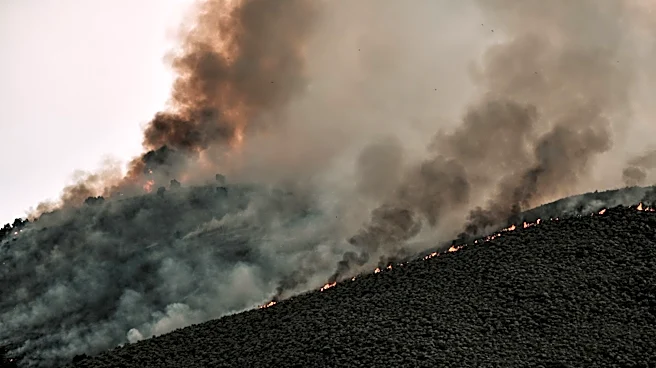
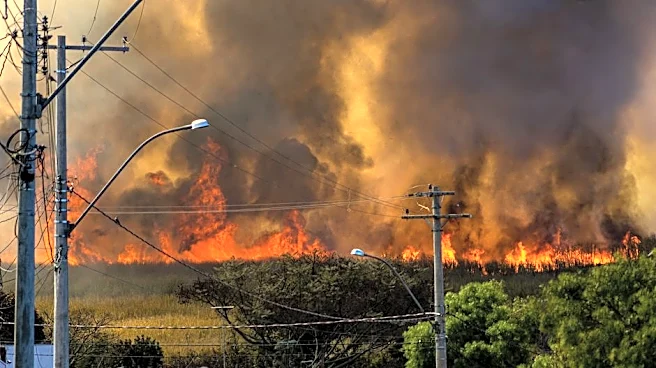
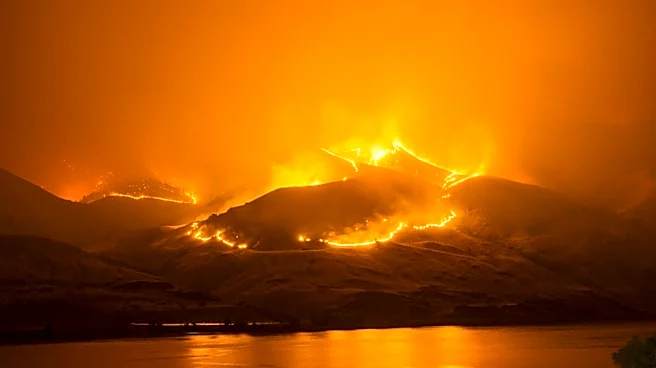
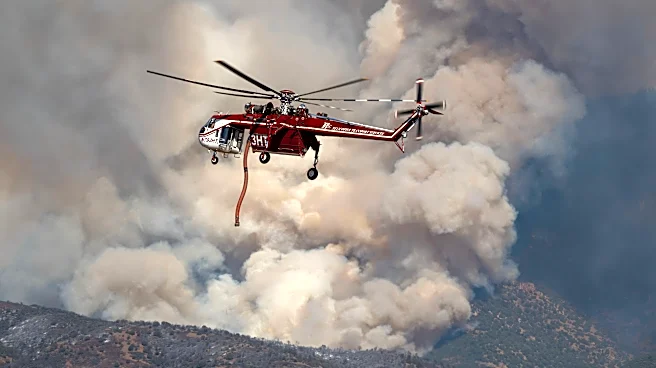
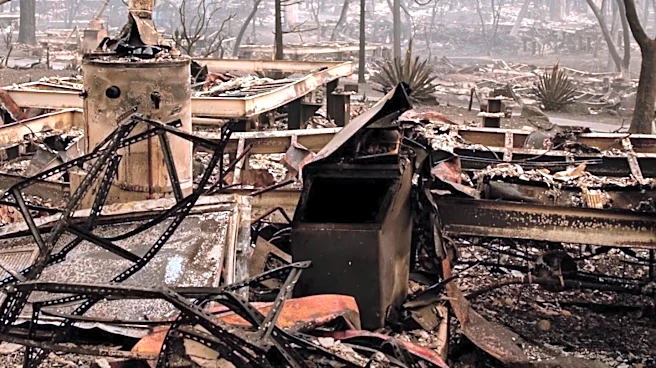
The Pacific Northwest is experiencing a historic wildfire season, with over 2.9 million acres burned across Washington and Oregon. Extreme weather conditions, fueled by climate change, have led to fast-moving fires that have devastated communities and strained
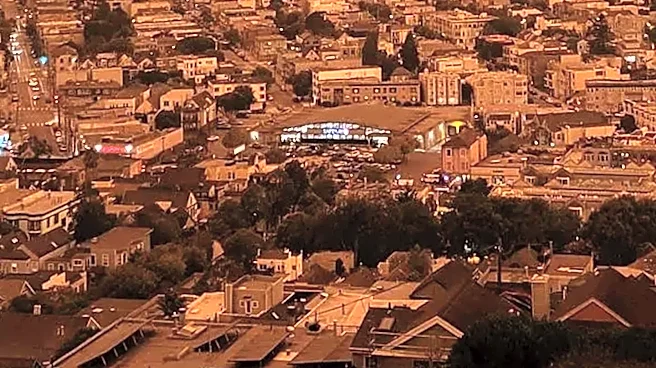
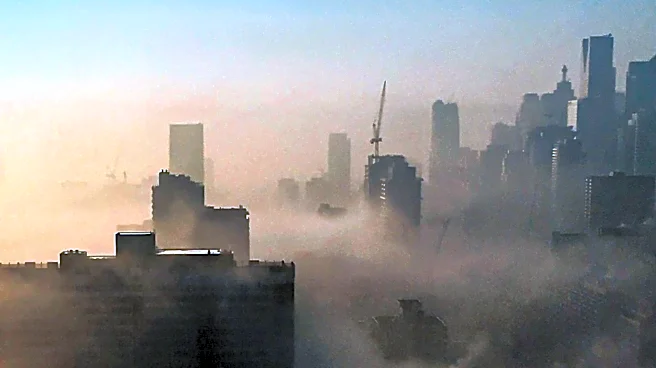
firefighting resources. The region is currently at 'preparedness level 5,' indicating that resources are fully deployed and some fires may not receive immediate attention. The fires have resulted in significant property damage and have left the area shrouded in toxic smoke. The situation is exacerbated by the ongoing climate crisis, which has extended the fire season and increased the frequency of extreme weather events.
Why It's Important?
The wildfires in the Pacific Northwest highlight the growing impact of climate change on natural disasters and the challenges faced by emergency services in responding to such events. The fires have significant implications for public health, air quality, and the economy, as they disrupt communities and strain resources. The situation underscores the urgent need for climate action and adaptation strategies to mitigate the effects of global warming and enhance resilience to future disasters. It also calls for increased investment in firefighting resources and infrastructure to better manage and respond to wildfire threats.
What's Next?
As the fire season continues, authorities are focused on managing existing fires and preventing new ones. Efforts are underway to improve coordination and resource allocation among firefighting agencies. Long-term strategies include enhancing forest management practices, investing in fire-resistant infrastructure, and promoting community preparedness. Policymakers and stakeholders are also exploring ways to address the root causes of climate change and reduce greenhouse gas emissions to prevent future disasters.