




What's Happening?
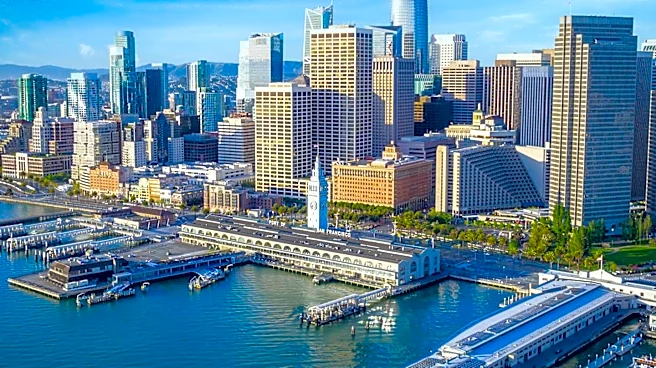
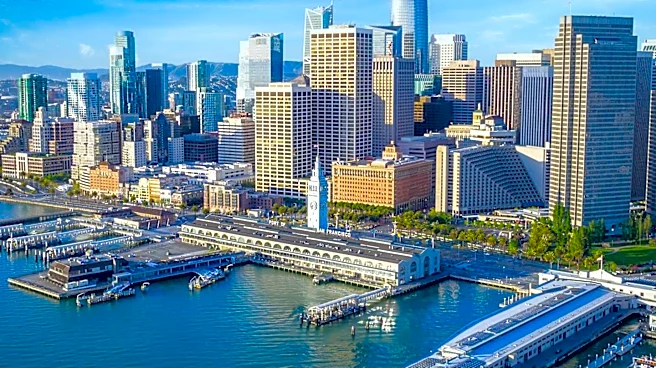
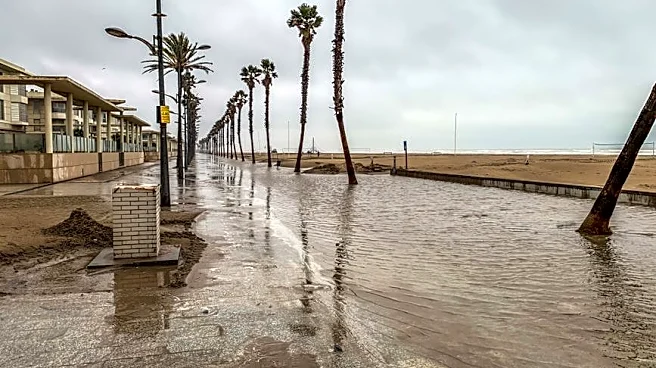
San Francisco's Embarcadero is currently experiencing significant flooding, with tides peaking 2.1 feet above normal levels on Tuesday and expected to remain high at 1.9 feet above normal on Wednesday. This abnormal tidal activity has led to the closure
of parts of the sidewalk and bike lane along the Embarcadero, with residents observing and photographing the inundation. The National Weather Service has issued a coastal flood advisory for low-lying regions across the Bay Area, and reports of flooding are also coming in from bayshore Marin County. Eric Young, a spokesperson for the Port of San Francisco, attributes these unusually high tides to the upcoming El Niño phenomenon, which causes a warming trend in the water, leading to higher sea levels.
Why It's Important?
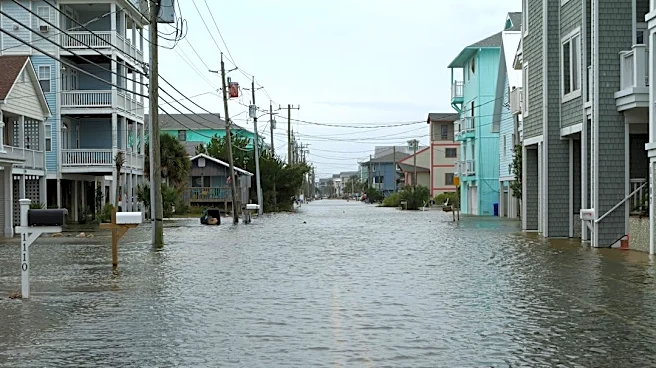
The flooding in San Francisco highlights the immediate and future challenges posed by climate-related weather patterns, particularly El Niño. The city's declaration of a local emergency in anticipation of heavy rain and flooding underscores the potential for widespread disruption to urban infrastructure and daily life. Businesses along the waterfront, transportation networks, and public services are directly impacted by such events, leading to economic losses and operational difficulties. The broader implications extend to coastal communities across the U.S., as officials in states like Florida, Georgia, and Southern California are also issuing warnings about similar issues, including water over low-lying roads, potential sewage backups, and severe beach erosion. This situation emphasizes the urgent need for robust climate adaptation strategies and infrastructure improvements to mitigate the effects of rising sea levels and extreme weather events.
What's Next?
San Francisco's Port is prepared to deploy barriers in low-lying areas, close traffic near the waterfront, and pump out water as necessary, utilizing an established 'playbook' for stormwater and flood management. The city will continue to monitor tidal levels and weather forecasts, especially with the anticipated historic El Niño, which experts believe will bring torrential downpours, further flooding, and potentially severe thunderstorms and isolated tornadoes this winter. Residents and businesses in affected coastal areas should remain vigilant and follow official advisories. The ongoing high tides and the looming El Niño season suggest that San Francisco and other coastal regions will face continued challenges, requiring sustained efforts in emergency preparedness and long-term resilience planning.
Beyond the Headlines
The recurring and intensifying coastal flooding, exemplified by the situation in San Francisco, points to a critical long-term shift in urban planning and environmental policy. Beyond immediate responses, these events underscore the need for fundamental re-evaluations of coastal development, infrastructure design, and resource allocation. The 'warming trend in the water' linked to El Niño is a stark reminder of climate change's influence on local weather phenomena, pushing communities to consider managed retreat from vulnerable areas or invest heavily in advanced flood defense systems. The economic burden of repeated damage and the social disruption to residents' lives raise questions about equitable adaptation strategies and the role of federal and state governments in supporting at-risk communities. This situation serves as a microcosm of the broader climate crisis, demanding innovative solutions and collaborative efforts to safeguard coastal cities.