


What's Happening?
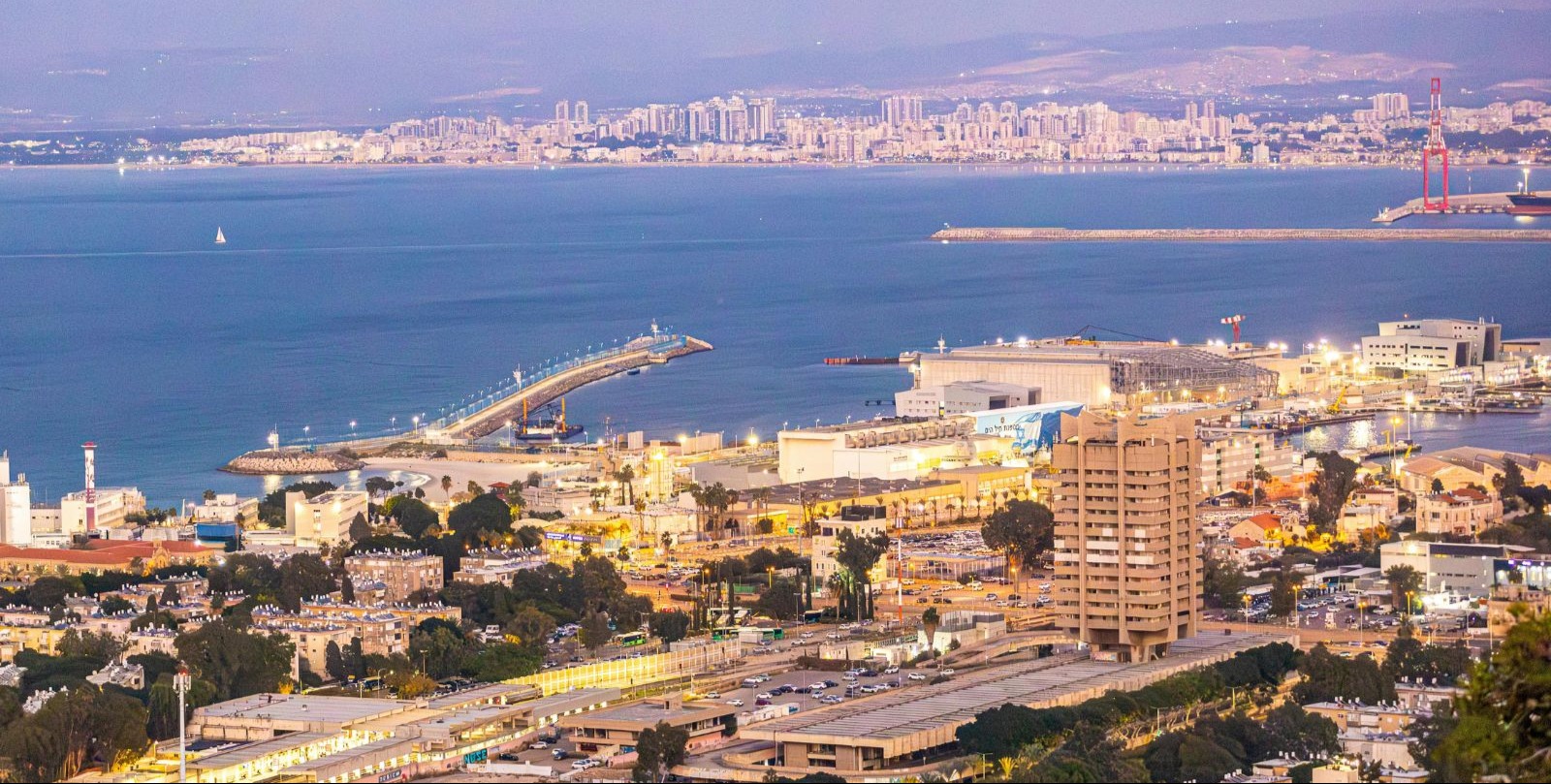
Anti-war protests took place across Israel, including in Tel Aviv, Haifa, Jerusalem, and Kfar Saba, despite strict wartime restrictions on public gatherings. Demonstrators expressed opposition to the ongoing conflict between Israel, Iran, and Hezbollah,
carrying signs with messages such as 'We must stop' and 'Bibi will kill us all.' The Home Front Command allowed limited protests, citing security concerns due to missile threats. The Association for Civil Rights in Israel challenged these restrictions, arguing they infringe on the right to protest. The High Court of Justice criticized the state's position, emphasizing the importance of free expression during wartime.
Why It's Important?
The protests highlight the tension between security measures and civil liberties in Israel during wartime. The restrictions on gatherings reflect the government's focus on safety, but they also raise concerns about the suppression of political dissent. The legal challenge by civil rights groups underscores the ongoing debate over the balance between national security and individual rights. The protests also reflect public dissatisfaction with the government's handling of the conflict, potentially influencing political discourse and policy decisions.
What's Next?
The High Court has urged the police to propose a framework that allows protests to proceed safely, indicating potential adjustments to current restrictions. Civil rights groups are likely to continue advocating for greater freedom of expression, while the government may face increased pressure to address public concerns about the conflict. The situation remains fluid, with potential for further legal and political developments as the conflict continues.