
What's Happening?
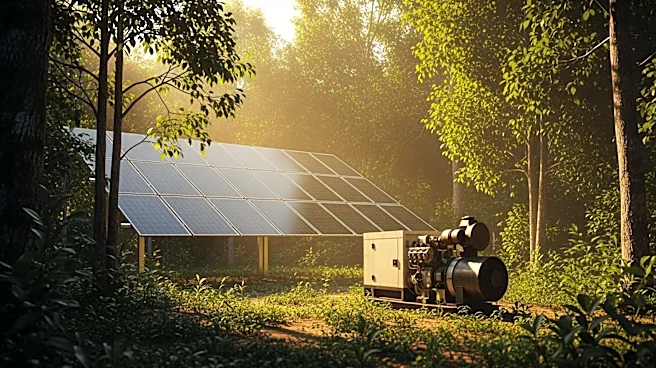
Communities in the Amazon rainforest are transitioning from diesel generators to solar panels and lithium batteries for electricity. This shift is driven by federal policies, falling technology costs,
and philanthropic initiatives. The Brazilian government is supporting this transition through projects that aim to reduce greenhouse gas emissions and reliance on diesel. The move is particularly significant in remote areas where traditional grid infrastructure is absent, and diesel generators have been the primary source of power. This change is expected to improve the quality of life for residents by providing more reliable and cleaner energy.
Why It's Important?
The transition from diesel to solar power in the Amazon rainforest is crucial for environmental and economic reasons. It reduces carbon emissions and pollution in one of the world's most ecologically sensitive areas. Economically, it decreases the reliance on costly diesel imports and subsidies, potentially saving millions. This shift also aligns with global efforts to combat climate change by promoting renewable energy sources. For the local communities, it means access to consistent and clean electricity, which can enhance living conditions and support sustainable development.