







What's Happening?
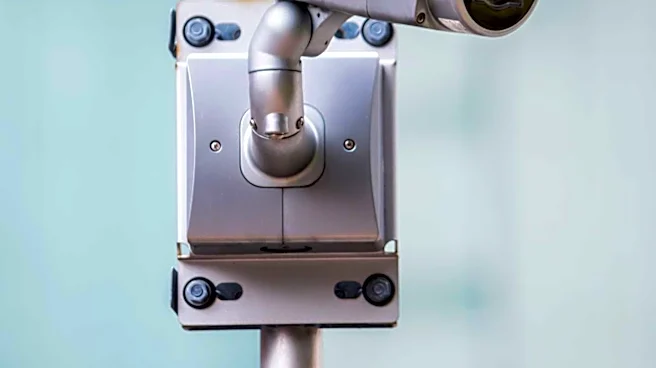
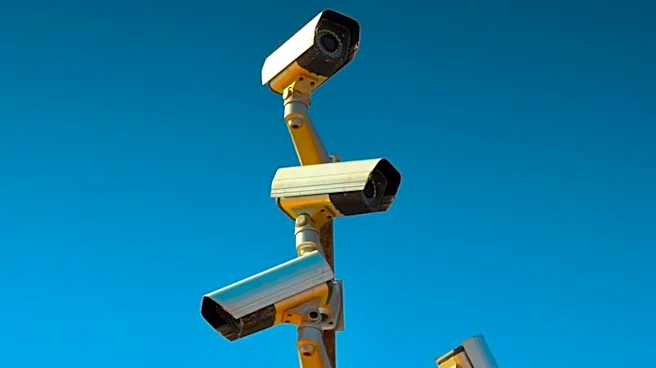
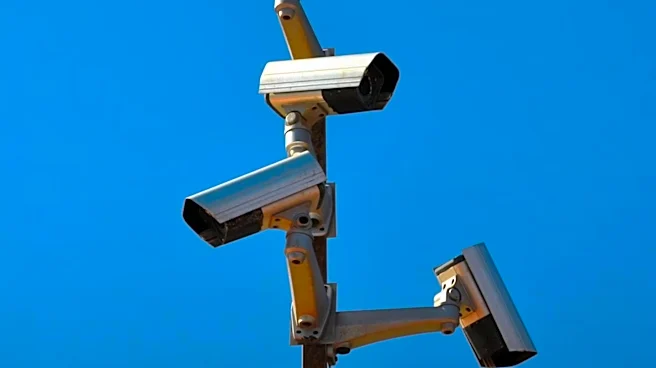
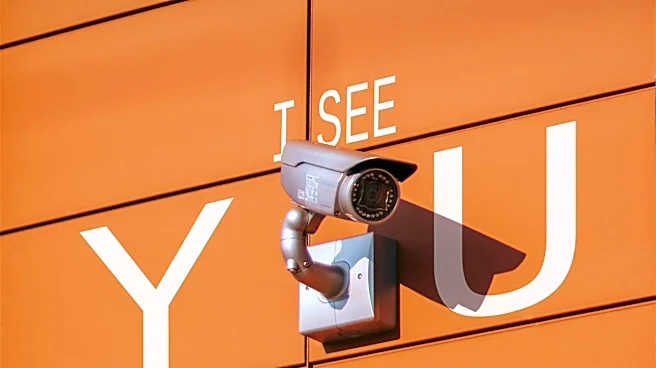
A growing movement of privacy activists is targeting Flock Safety's automated license plate readers (ALPRs) across the United States. These activists, including individuals like 'NoMark', are disabling or destroying the cameras, which they argue contribute
to mass surveillance. Flock's cameras, used by law enforcement to track vehicles, have sparked backlash due to privacy concerns. Activists are employing various methods to obstruct or dismantle the devices, citing fears of unwarranted surveillance and data collection.
Why It's Important?
The actions against Flock cameras highlight the ongoing debate over privacy and surveillance in the U.S. As technology advances, the balance between security and individual privacy becomes increasingly contentious. The movement against Flock's ALPRs reflects broader societal concerns about the potential for surveillance overreach and the erosion of civil liberties. This issue is significant as it may influence future legislation and public policy regarding surveillance technologies and privacy rights.
What's Next?
As the movement gains momentum, it is likely to prompt further discussions on the regulation of surveillance technologies. Law enforcement agencies and Flock may need to address public concerns and consider transparency measures to mitigate backlash. Additionally, legal challenges and policy proposals aimed at protecting privacy rights could emerge, potentially leading to changes in how surveillance technologies are deployed and monitored.
Beyond the Headlines
The ethical implications of surveillance technology use are profound, raising questions about consent, data security, and the potential for misuse. The actions of vigilantes, while illegal, underscore a growing public demand for accountability and transparency in surveillance practices. This movement may also inspire similar actions against other forms of surveillance, prompting a reevaluation of privacy norms in the digital age.