
What's Happening?
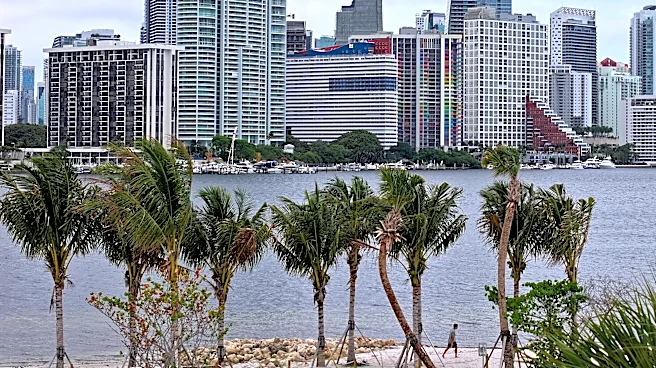
The Florida Department of Health in Broward County (DOH-Broward) has issued a mosquito-borne illness advisory after confirming a human case of locally-acquired dengue fever. DOH-Broward is actively coordinating
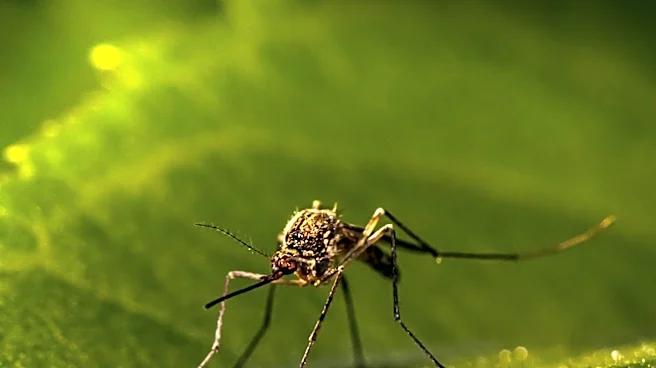
surveillance, prevention, and control efforts with Broward County Mosquito Control to address the situation. Dengue, transmitted by the bite of an infected Aedes aegypti mosquito, presents as a flu-like illness with symptoms such as severe muscle aches, joint pain, fever, and sometimes a rash, typically appearing within 14 days of a bite. The department emphasizes that dengue fever is not contagious from person to person. This advisory comes as part of the department's ongoing statewide surveillance for various mosquito-borne illnesses, including West Nile virus, Eastern equine encephalitis, St. Louis encephalitis, malaria, chikungunya, and dengue.
Why It's Important?
This advisory from DOH-Broward is crucial for public health in the region, signaling an active local transmission of dengue fever. The confirmation of a locally-acquired case means that infected mosquitoes are present and biting within the community, increasing the risk for residents. This situation necessitates immediate public awareness and preventative action to curb further spread. The coordinated efforts between DOH-Broward and Broward County Mosquito Control are vital for effective vector control and disease surveillance. The advisory also highlights the broader challenge of managing mosquito-borne diseases in Florida, a state susceptible to such outbreaks due to its climate and travel patterns. It underscores the importance of robust public health infrastructure and community participation in disease prevention.
What's Next?
DOH-Broward is urging residents to take basic precautions to avoid mosquito bites. These include wearing protective, loose-fitting, long-sleeved shirts and pants, and applying EPA-registered insect repellents to exposed skin and clothing. The department also advises controlling mosquitoes both indoors and outdoors by repairing damaged screens and, critically, draining standing water from containers such as garbage cans, buckets, pool covers, and flowerpots, which serve as mosquito breeding sites. Residents are encouraged to report any potential mosquito breeding grounds that cannot be eliminated. The department will continue its statewide surveillance for mosquito-borne illnesses, and residents are also encouraged to report dead birds to the Florida Fish and Wildlife Conservation Commission, as this can be an indicator of West Nile virus activity.
Beyond the Headlines
The issuance of this advisory in Broward County, following a confirmed local dengue case, reflects a growing concern about the re-emergence and spread of tropical diseases in the U.S. due to factors like climate change and increased global travel. This situation could lead to a re-evaluation of public health funding and resource allocation for vector control programs, not just in Florida but in other vulnerable states. It also highlights the ethical responsibility of individuals to participate in community health efforts by eliminating breeding sites, thereby protecting not only themselves but also their neighbors. The long-term implications could include a shift in public perception regarding mosquito-borne diseases, moving them from a distant, international problem to a more immediate, local threat, potentially influencing urban planning and environmental management strategies to reduce mosquito habitats.