




What's Happening?
The International Energy Agency (IEA), an autonomous body operating within the Organisation for Economic Co-operation and Development (OECD), is actively recruiting Junior Power Sector Analysts. These positions are intended to enhance the IEA's analytical
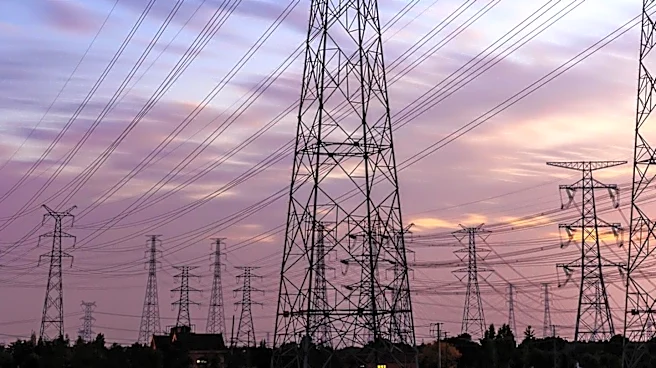
capabilities concerning power systems and markets, with a specific emphasis on electricity grids. The analysts will contribute to the Electricity Systems and Markets Division (ESM) by conducting quantitative and qualitative analysis, modeling, and drafting for key IEA publications, including its annual Electricity report. Responsibilities include monitoring technical, regulatory, and policy developments in electricity systems globally, supporting analytical output on grids and system flexibility, and contributing to the modeling of medium-term electricity forecasts. The IEA is seeking candidates with advanced university degrees in relevant fields and a minimum of three years of direct experience in the electricity industry, economic consulting, or grid technology companies, particularly those focused on transmission or distribution networks and system operations. The recruitment aims to create a pool of candidates for both open-ended and fixed-term roles.
Why It's Important?
The recruitment of Junior Power Sector Analysts by the IEA underscores a growing global focus on the resilience and evolution of electricity grids, which is critically important for the U.S. energy sector. As the U.S. transitions towards cleaner energy sources and integrates more distributed energy resources, understanding and optimizing grid infrastructure becomes paramount. The IEA's analytical work, to which these new analysts will contribute, provides valuable insights and best practices that can inform U.S. energy policy and investment decisions. Enhanced analysis of grid flexibility, regulation, and market fundamentals can help U.S. policymakers and utilities address challenges such as grid modernization, cybersecurity threats, and the integration of renewable energy. The IEA's reports and recommendations often influence international energy standards and policies, which can indirectly impact U.S. energy companies operating globally or those seeking to align with international best practices. Furthermore, the focus on power system modeling and data analysis highlights the increasing reliance on sophisticated tools to manage complex energy landscapes, a trend mirrored within the U.S. energy industry.
What's Next?
The IEA's recruitment drive for Junior Power Sector Analysts is expected to lead to a strengthened analytical capacity within its Electricity Systems and Markets Division. Successful candidates will contribute to ongoing and future IEA reports, including the flagship annual Electricity report, which provides critical forecasts and analyses for the global power sector. This enhanced analytical output will likely offer more detailed insights into grid development, market dynamics, and policy recommendations, which will be disseminated to member countries, including the U.S. These insights could inform future policy discussions within the U.S. Department of Energy, the Federal Energy Regulatory Commission (FERC), and state-level energy agencies regarding grid modernization, renewable energy integration, and energy security. The IEA's work also involves collaboration and outreach with other international organizations and stakeholders, suggesting that the new analysts will contribute to a broader dialogue on global energy challenges and solutions, potentially influencing international energy cooperation efforts that involve the U.S.
Beyond the Headlines
The IEA's investment in specialized power sector analysts reflects a deeper, systemic shift in how global energy security and sustainability are being approached. Beyond the immediate need for technical expertise, this initiative highlights the increasing complexity of energy systems, where the interplay of technology, policy, and market forces requires sophisticated analytical frameworks. For the U.S., this trend signifies the growing importance of international collaboration in addressing shared energy challenges, such as grid resilience against climate change impacts and cyber threats. The emphasis on data-driven analysis and modeling also points to a future where energy policy is increasingly informed by predictive analytics and real-time data, moving away from reactive measures. This could foster a more proactive approach to energy infrastructure development and regulation in the U.S., potentially leading to more robust and adaptable energy systems. The IEA's role as a knowledge hub also means that these new analysts will contribute to a global pool of expertise, fostering a shared understanding of best practices that can accelerate the energy transition in the U.S. and beyond.