





What's Happening?
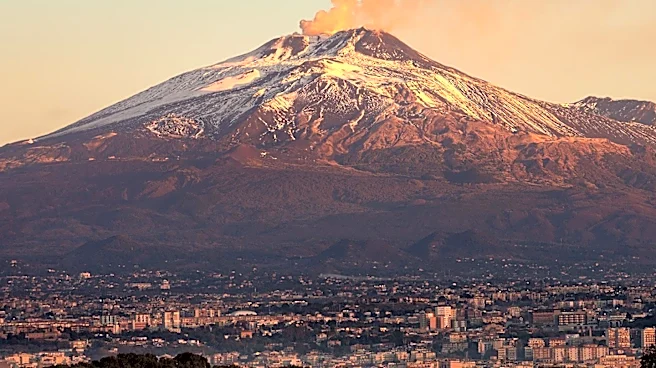
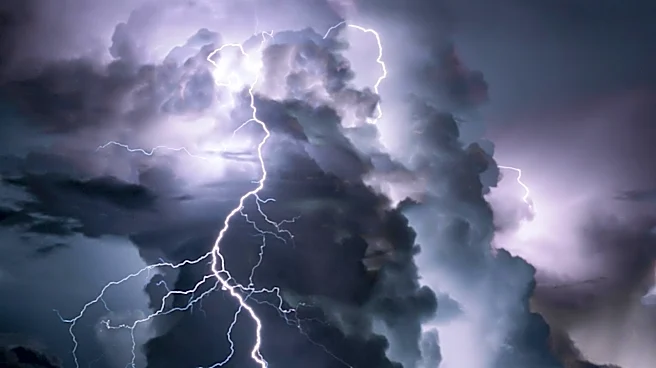
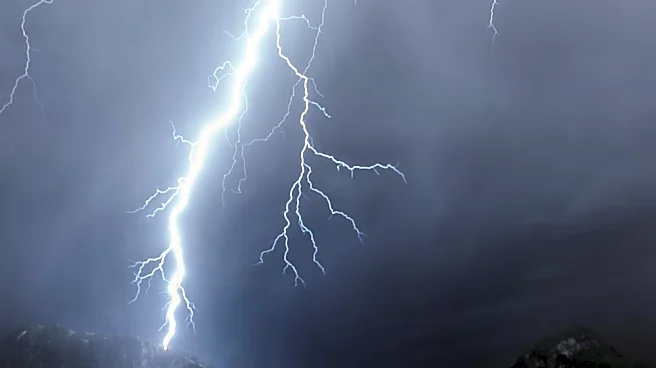
An American tourist from Kansas, aged 29, died after being struck by lightning while hiking on Mount Etna in Sicily, Italy. The incident occurred on Sunday evening in an exposed, barren area of Europe's largest volcano. Italian firefighters reported that
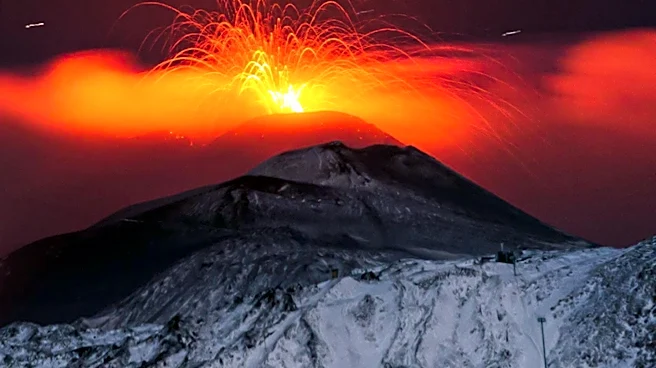
the man was rescued by helicopter but was later declared dead by medical personnel. His name has not been released. The tourist was found at an elevation of approximately 1,400 meters (nearly 4,600 feet) in the Rocca Capra area. This tragic event follows a period of intense volcanic activity on Mount Etna, which had previously led to the closure of certain areas to hikers and even the airport in nearby Catania for most of the preceding week.
Why It's Important?
This incident underscores the inherent dangers associated with outdoor recreational activities, particularly in dynamic natural environments like active volcanoes. For U.S. citizens traveling abroad, it highlights the importance of being aware of local conditions, warnings, and potential environmental hazards. While Mount Etna is a popular tourist destination, authorities had closed certain areas due to volcanic activity, raising questions about adherence to safety guidelines. The fact that more people have died on Etna from lightning strikes than from volcanic activity in recent decades is a significant, though perhaps less obvious, risk factor for visitors. This event serves as a somber reminder for travelers to prioritize safety, heed local advisories, and understand the specific risks of their chosen destinations, even when the primary perceived threat (volcanic eruption) might be overshadowed by other natural phenomena.
What's Next?
Following the death of the U.S. tourist, Italian authorities will likely continue their investigation into the circumstances surrounding the lightning strike, including whether the hiker was in an area that had been closed to the public. This incident may prompt a review of safety protocols and signage on Mount Etna, especially concerning the less obvious dangers like lightning, which historically have caused more fatalities than volcanic activity itself. For tourists planning to visit Mount Etna, it is crucial to check current weather conditions, volcanic activity levels, and any specific warnings or closures issued by local authorities. Tour operators and guides may also reinforce their safety briefings to emphasize all potential risks, not just those directly related to volcanic eruptions. The U.S. Embassy in Italy will likely provide assistance to the family of the deceased.
Beyond the Headlines
The death of the American tourist on Mount Etna brings to light the complex interplay between tourism, natural hazards, and personal responsibility. While the allure of natural wonders like active volcanoes draws millions, the risks, both obvious and subtle, are ever-present. This event could spark broader discussions about the adequacy of international safety standards for adventure tourism and the effectiveness of communicating risks to a diverse global audience. It also touches upon the ethical considerations for tour operators and local governments in balancing economic benefits from tourism with the paramount need for visitor safety. Furthermore, the incident highlights the unpredictable nature of weather phenomena, even in seemingly stable environments, and the critical importance of respecting nature's power, regardless of one's experience level or perceived safety measures.