




What's Happening?
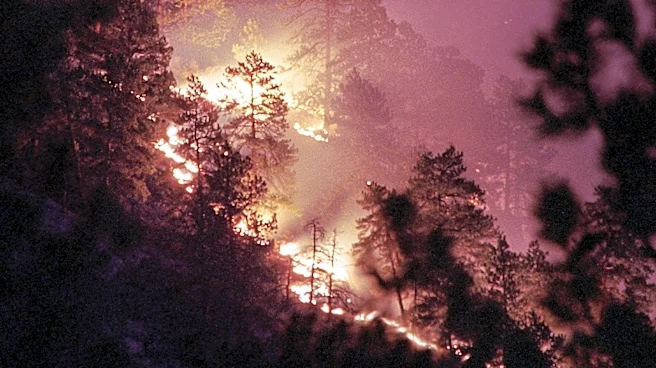
The North Carolina Forest Service is advising the public to exercise extreme caution with outdoor burning as the fall wildfire season commences. Historically, wildfire activity in the state escalates from October through early December due to factors
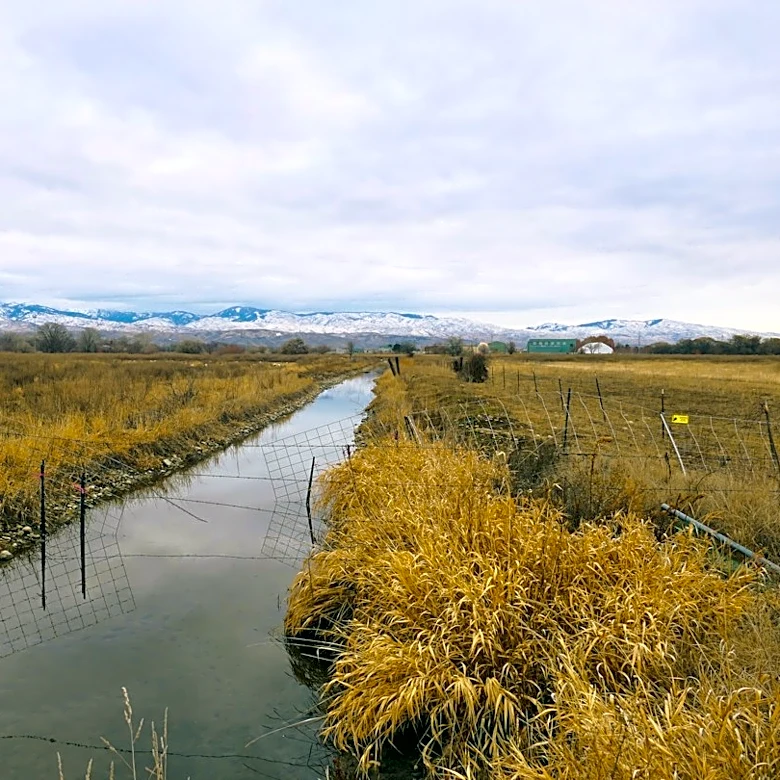
such as falling leaves, dry vegetation, and shifting weather patterns, which can facilitate rapid fire spread. Agriculture Commissioner Steve Troxler emphasized that human activities are responsible for over 99% of wildfires in North Carolina, making individual preventative actions crucial. Residents are encouraged to take specific steps before burning, including checking for burn bans or fire restrictions, avoiding burning on dry or windy days, securing a valid burn permit, clearing flammable materials from burn areas, and keeping fires small. Surry County, in particular, has experienced drought conditions throughout the year, making it especially susceptible to increased fire risk. The Forest Service also reminds the public that burning anything other than natural vegetation is illegal.
Why It's Important?
The increased risk of wildfires in North Carolina during the fall season poses significant threats to public safety, property, and natural resources. The emphasis on human activity as the primary cause highlights the critical role of individual responsibility in fire prevention. Uncontrolled wildfires can lead to widespread destruction of homes, infrastructure, and ecosystems, incurring substantial economic costs for suppression efforts and recovery. For residents, especially in drought-stricken areas like Surry County, adherence to burning regulations is vital to prevent accidental fires that could quickly become unmanageable. The potential for rapid fire spread due to dry conditions and seasonal changes underscores the need for heightened awareness and strict compliance with safety guidelines to protect communities and preserve the state's natural environment.
What's Next?
As the fall wildfire season progresses, the North Carolina Forest Service will likely continue to monitor weather conditions and issue updates on fire risks and burn bans. Public awareness campaigns will remain crucial to educate residents on safe burning practices and the importance of obtaining burn permits. Local authorities may implement stricter burning restrictions or bans if drought conditions worsen or if there is a significant increase in wildfire incidents. The ongoing efforts to prevent human-caused fires will require sustained vigilance from both the public and state agencies. Residents should regularly check official Forest Service channels for the latest information and guidance to ensure their activities do not inadvertently contribute to wildfire outbreaks.
Beyond the Headlines
The recurring issue of wildfires in North Carolina, largely attributed to human activity, points to a broader societal challenge concerning environmental stewardship and public education. Beyond immediate fire prevention, there's an underlying need for continuous community engagement and education on the long-term impacts of climate patterns and human interaction with natural landscapes. The vulnerability of areas like Surry County, experiencing prolonged drought, underscores the increasing pressure on ecosystems due to changing environmental conditions. This situation highlights the importance of sustainable land management practices and the potential for technological advancements in wildfire prediction and mitigation to play a more significant role in future prevention strategies, moving beyond reactive measures to proactive risk reduction.