


What's Happening?
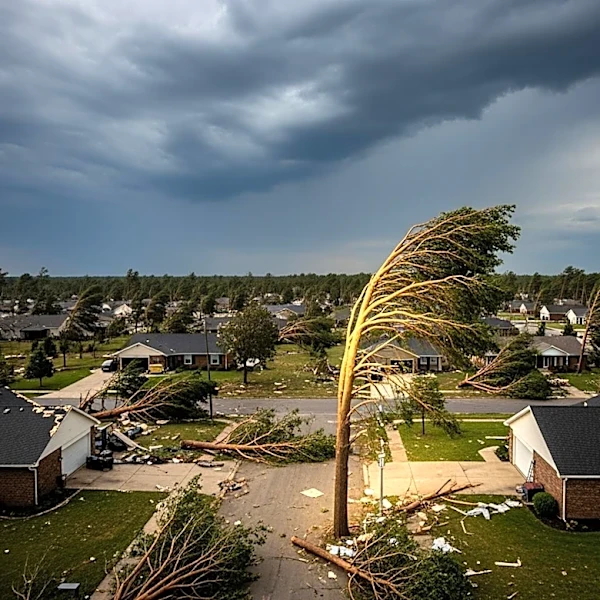
As the U.S. approaches another hurricane season, experts warn of the potential for significant storms due to factors like El Niño and rising sea temperatures. Historical data from the National Oceanic and Atmospheric Administration (NOAA) adjusted for inflation
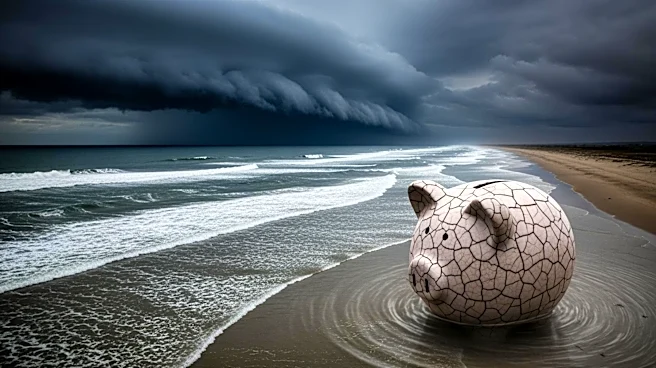
reveals the 15 costliest hurricanes in the U.S. since 2000. These storms have caused extensive damage, leading to billions in economic losses, infrastructure damage, and loss of life. The analysis underscores the increasing frequency and intensity of hurricanes, driven by climate change, and the substantial economic impact they have on affected regions.
Why It's Important?
The financial and human toll of hurricanes is a critical concern for policymakers, insurers, and communities in vulnerable areas. Understanding the economic impact of past hurricanes helps in planning and preparing for future events. The data highlights the need for improved infrastructure resilience, better emergency response systems, and comprehensive insurance coverage to mitigate the effects of such natural disasters. As climate change continues to influence weather patterns, the potential for more frequent and severe hurricanes poses a significant threat to economic stability and public safety.