






What's Happening?
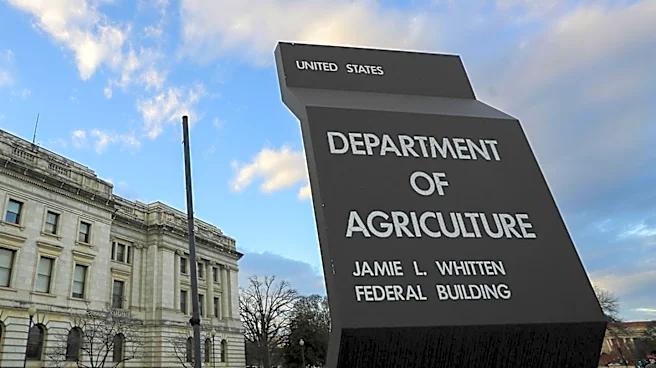
The U.S. Government Accountability Office (GAO) has raised concerns regarding the U.S. Department of Agriculture's (USDA) reorganization plans, citing a significant lack of transparency. According to a report published by the GAO, the USDA failed to provide
documentation detailing the analyses that informed its reorganization decisions. This omission prevents Congress and the public from evaluating the potential impacts of the reorganization on services, economic factors, workforce attrition, and the protection of taxpayer dollars. Steve Morris, GAO’s director of natural resources and environment, stated that despite multiple requests, the USDA did not furnish the necessary information, leaving stakeholders in the dark. Agriculture Secretary Brooke Rollins criticized the GAO's report as a 'politicized review,' arguing it did not present the full story of the department's reorganization. However, the GAO has affirmed the objectivity and accuracy of its findings. This lack of transparency follows a similar pattern observed with other agencies, such as the Office of Personnel Management, which also declined to provide requested documents to the GAO.
Why It's Important?
The GAO's findings highlight a critical issue of accountability and oversight within federal agencies. The USDA's refusal to provide documentation on its reorganization plans impedes Congress's ability to perform its oversight duties and leaves the public without a clear understanding of how taxpayer resources are being managed. This situation is particularly concerning given the USDA's significant workforce losses, with a 20% decrease in staff between December 2024 and March 2026. Such substantial changes without transparent justification can lead to inefficiencies, reduced service quality, and potential misuse of funds. The criticism from Agriculture Secretary Rollins, labeling the report as 'politicized,' further complicates the relationship between oversight bodies and executive agencies, potentially undermining trust in government processes. The precedent set by the USDA's actions could encourage other agencies to withhold information, making it harder to ensure responsible governance and effective public service delivery.
What's Next?
The GAO's report underscores the ongoing tension between government agencies and oversight bodies regarding transparency. While the USDA has provided limited information, such as raw employee attendance data, it has not clarified how this data informed its reorganization decisions. The American Federation of Government Employees has already filed a lawsuit against the USDA over the reorganization, warning of mass staff attrition, and a federal judge has issued an injunction, ruling that the reorganization likely violates a legislative provision requiring congressional approval. This legal challenge, coupled with the GAO's findings, suggests continued scrutiny of the USDA's actions. Future developments may include further congressional inquiries, potential legislative actions to enforce transparency, or continued legal battles. The outcome will likely influence how federal agencies approach major structural changes and their obligations to provide information to oversight bodies and the public.
Beyond the Headlines
The lack of transparency surrounding the USDA's reorganization extends beyond mere procedural issues; it touches upon fundamental principles of democratic governance and public trust. When a federal agency responsible for vital services, such as agriculture and food safety, undergoes significant restructuring without clear justification, it raises questions about the ethical responsibilities of government officials. The historical context of a similar, albeit smaller, reorganization during the first Trump administration in 2019, which led to decreases in staffing, expertise, and productivity, suggests a pattern of potential negative impacts when such changes are not thoroughly analyzed and communicated. This ongoing issue could lead to a broader reevaluation of the powers and limitations of executive agencies in implementing large-scale changes, potentially prompting legislative reforms aimed at strengthening transparency requirements and ensuring greater accountability to Congress and the American public.