





What's Happening?
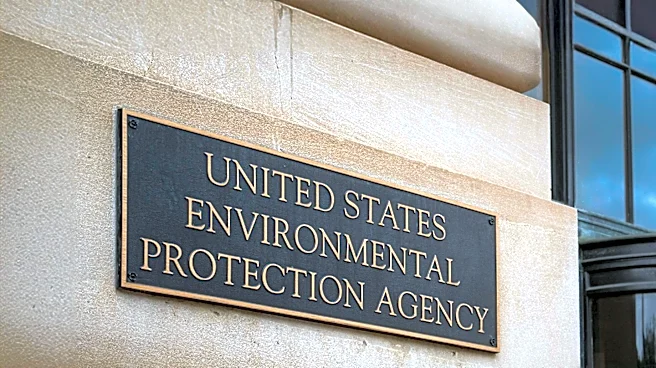
The 10th Circuit U.S. Court of Appeals has upheld a 2005 federal law, commonly known as 'Inhofe's midnight rider,' which restricts the ability of tribal governments in Oklahoma to obtain 'treatment-as-states' (TAS) status with the Environmental Protection
Agency (EPA). This provision effectively grants Oklahoma primacy over the regulation of petroleum waste injection wells, even within Indian Country land. In a 2-1 ruling, the court affirmed the EPA's decision to approve Oklahoma's request to extend 26 state environmental regulatory programs to Indian Country. The Pawnee Nation of Oklahoma had challenged this decision, arguing errors in the rule change and administrative process, and that the rider had expired. However, the majority opinion, written by Judge Timothy Tymkovich, concluded that the provision remains active and that the EPA acted in accordance with its requirements. Judge Richard Federico dissented, arguing that Congress did not speak clearly enough to support the EPA's decision, especially considering the Indian canons of construction.
Why It's Important?
This ruling significantly impacts tribal sovereignty and environmental regulation within Oklahoma's Indian Country. In other states, tribes can apply for TAS status to implement their own environmental regulations, often stricter than state laws, within their reservation or trust lands. However, since 2005, tribes in Oklahoma have been uniquely required to compact with the state before the EPA can grant TAS status, essentially giving Oklahoma a veto over tribal environmental regulations. The decision reinforces the state's authority over environmental matters in Indian Country, a situation that became more pronounced after the 2020 McGirt v. Oklahoma decision, which affirmed much of eastern Oklahoma as Indian Country. Governor Kevin Stitt praised the ruling as a 'clear victory' for state sovereignty, asserting that McGirt does not erase Oklahoma's civil, tax, or environmental authority. This outcome could limit the ability of Oklahoma tribes to enact and enforce more stringent environmental protections on their lands.
What's Next?
The Pawnee Nation's petition to challenge the EPA's interpretation of the provision has been denied, affirming the EPA's decision. While the 10th Circuit has upheld the law, the dissenting opinion highlights potential avenues for further legal challenges or legislative action. The issue could potentially be appealed to the U.S. Supreme Court, though the immediate impact is that Oklahoma retains its primacy in regulating petroleum waste injection wells in Indian Country. Tribes in Oklahoma will continue to face the requirement of entering cooperative agreements with the state to gain TAS status for environmental programs. This ruling may also influence future discussions and legal battles regarding state versus tribal jurisdiction in environmental and other regulatory areas within Oklahoma.
Beyond the Headlines
The 'Inhofe's midnight rider' provision, added to a highway bill in 2005 without extensive debate, exemplifies how legislative riders can have long-lasting and significant impacts on specific populations, in this case, Native American tribes. The late U.S. Sen. John McCain had previously criticized the rider's inclusion, noting it bypassed the Indian Affairs Committee. This case underscores the ongoing tension between state sovereignty and tribal sovereignty, particularly in the wake of the McGirt decision, which has reshaped jurisdictional understandings in Oklahoma. The ruling also raises questions about environmental justice, as it limits the ability of tribal nations to implement environmental standards that might better protect their communities and natural resources. The differing interpretations of legislative intent and the application of legal canons, such as the Indian canons, highlight the complexities of federal Indian law and its practical implications for governance and environmental protection.