







What's Happening?
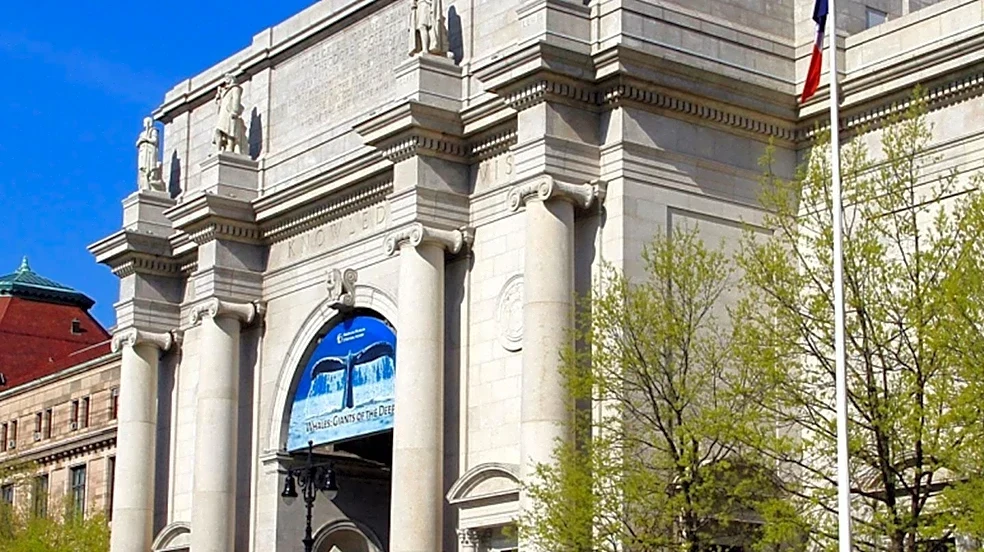
Cartoonist Peter Kuper's exhibition, 'Monarch's Journey,' has opened in the second-floor corridor of the American Museum of Natural History's Richard Gilder Center. The display features Kuper's illustrations and a video installation that chronicles the nearly
3,000-mile fall migration of monarch butterflies. This journey spans from the northern U.S. and Canada to the mountain forests of central Mexico, with the artwork depicting the butterflies flying over various U.S. landmarks such as the New York City skyline, interstate highways, West Virginia mines, Florida tomato fields, and New Orleans' Lower Ninth Ward after Hurricane Katrina. Kuper, a Pulitzer Prize finalist, has expressed a lifelong fascination with insects since age four. The exhibition is situated alongside a research collection containing over 1.3 million butterfly specimens, enhancing the educational context of the display. Kuper initially proposed a broader history of insects for the corridor but narrowed the focus to monarch butterflies, recognizing their appeal to a wider public.
Why It's Important?
This exhibition is significant for several reasons, particularly in its role in public education and the intersection of art and science. By showcasing the monarch butterfly's migration, the American Museum of Natural History highlights a critical ecological phenomenon that is increasingly threatened by climate change and habitat loss. The artistic presentation by Peter Kuper makes complex scientific information accessible and engaging for a broad audience, including those who might not typically seek out entomological studies. The exhibition's location within a major U.S. cultural institution like the American Museum of Natural History underscores the growing recognition of comics and illustration as legitimate art forms capable of conveying profound messages. This initiative can inspire greater public awareness and appreciation for biodiversity and conservation efforts, potentially influencing public opinion and support for environmental policies. Furthermore, it demonstrates how art can serve as a powerful tool for scientific communication, bridging the gap between expert knowledge and public understanding.
What's Next?
Peter Kuper has indicated his desire to expand his artistic contributions at the museum, stating he is 'not done requesting' to use the other side of the corridor for another insect-themed show. This suggests potential future collaborations between Kuper and the American Museum of Natural History, which could further enrich the museum's offerings and continue to blend art with scientific education. The museum store is currently selling Kuper's graphic novels and limited-edition prints, indicating an ongoing commercial aspect to the exhibition that supports both the artist and the institution. The success of 'Monarch's Journey' may encourage other museums and cultural institutions to explore similar art-science collaborations, potentially leading to more innovative educational displays across the U.S. Kuper also plans to post the original artwork online, making it accessible to a global audience and further promoting the value of analog art in a digital age.
Beyond the Headlines
The 'Monarch's Journey' exhibition delves into deeper implications beyond its immediate artistic and educational value. It subtly addresses the ethical responsibility of artists and institutions in presenting scientific information accurately, as evidenced by Kuper's meticulous research for his book 'Insectopolis' and his engagement with experts like Jessica Ware, the curator of the exhibition. The anecdote about the mosquito correction highlights the importance of scientific precision, even in artistic interpretations, and the potential for art to challenge preconceived notions. Kuper's advocacy for comics as a 'highest level of science and fine art' challenges traditional hierarchies within the art world, promoting a more inclusive view of artistic expression. This exhibition also touches upon the economic value of original analog art in an increasingly digital landscape, as Kuper notes the rising value of his physical works. Ultimately, 'Monarch's Journey' serves as a powerful reminder of the interconnectedness of art, science, and environmental stewardship, encouraging a holistic understanding of the natural world and our place within it.