


What's Happening?
The United Nations World Food Programme (WFP) has issued a warning about the potential impact of a powerful El Niño weather pattern, which could push nearly 49 million more people into acute hunger by the end of next year. The WFP highlighted that this
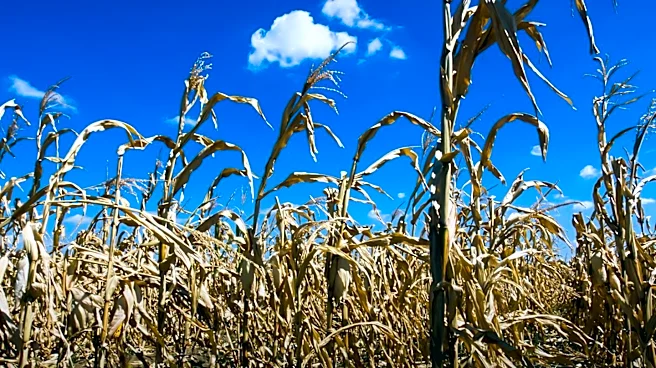
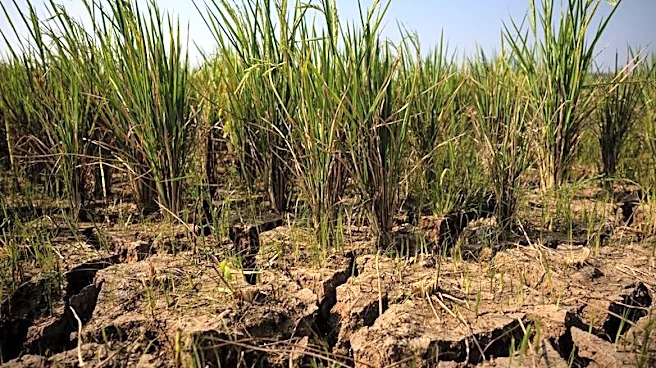
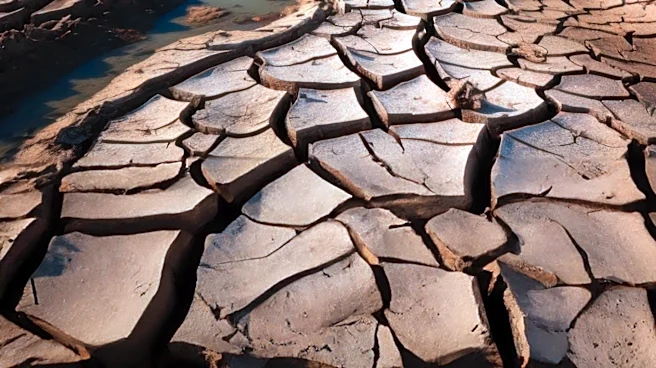
El Niño could become the strongest since 1950, with Pacific Ocean temperatures expected to reach their highest levels since at least 1982. This weather phenomenon is anticipated to cause widespread droughts, floods, and erratic rainfall, threatening food production in vulnerable regions. The WFP's assessment of 45 countries most at risk suggests that the number of people facing acute food insecurity could rise to about 274 million. Central America and Southern Africa are projected to be among the hardest-hit regions, with significant increases in food insecurity. The WFP also noted that funding cuts from the United States and Europe are hindering their ability to track emerging hunger crises effectively.
Why It's Important?
The potential increase in global hunger due to El Niño has significant implications for international food security and humanitarian efforts. The projected rise in food insecurity could exacerbate existing challenges in regions already struggling with conflict and economic instability. The WFP's warning underscores the need for increased funding and support to monitor and respond to these crises effectively. The impact on food prices and availability could also have broader economic consequences, affecting trade and market stability. Additionally, the situation highlights the importance of international cooperation and preparedness in addressing climate-related challenges and their effects on vulnerable populations.
What's Next?
The WFP has already expanded anticipatory aid programs in 18 countries, reaching over 1.3 million people with cash assistance and other support to mitigate the impact of extreme weather. However, the agency emphasizes the need for high-frequency data collection to ensure timely responses to worsening food emergencies. As El Niño progresses, affected regions may require increased international aid and support to address the anticipated rise in food insecurity. The global community will need to monitor the situation closely and coordinate efforts to provide relief and support to those most affected.