









What's Happening?
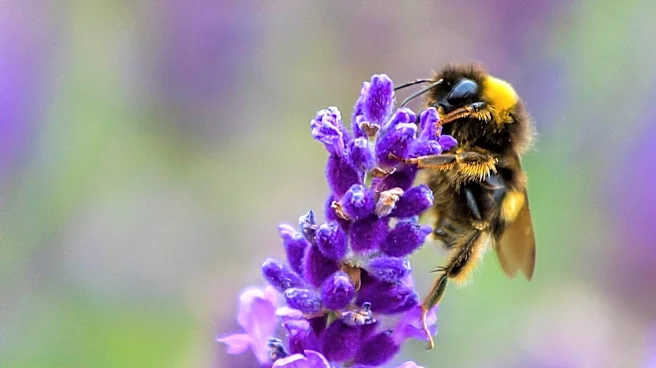
Researchers at the Georgia Institute of Technology have discovered that low-dose exposure to the pesticide sulfoxaflor may interfere with bumblebee reproduction by altering gene activity in critical tissues. Bumblebees, essential pollinators for many
crops and wild plants, are facing increased risks from this pesticide, which is commonly used to control sap-sucking pests like aphids. The study found that sulfoxaflor exposure led to significant changes in gene expression, particularly in ovarian tissues, potentially impairing the bees' reproductive capacity. This could result in declining colony health and reduced bee populations, posing a threat to global food systems reliant on pollination.
Why It's Important?
The findings underscore the potential unintended consequences of modern agricultural chemicals on beneficial insects like bumblebees. As one-third of the world's food production depends on pollination, the health of pollinators is crucial for sustainable agriculture. The study highlights the need for balancing effective pest management with the conservation of pollinators. Protecting these insects is vital for biodiversity and the production of many fruits and vegetables. The research calls for safer agricultural practices that minimize harm to pollinators while maintaining crop protection.
What's Next?
The study suggests a need for further research into the impacts of agricultural chemicals on pollinators. Developing safer pest control methods that do not harm beneficial species is essential. Policymakers and agricultural stakeholders may need to consider regulations that protect pollinators while ensuring effective pest management. The ongoing investigation into the effects of pesticides like sulfoxaflor could lead to changes in agricultural practices and policies aimed at safeguarding pollinator health.