





What's Happening?
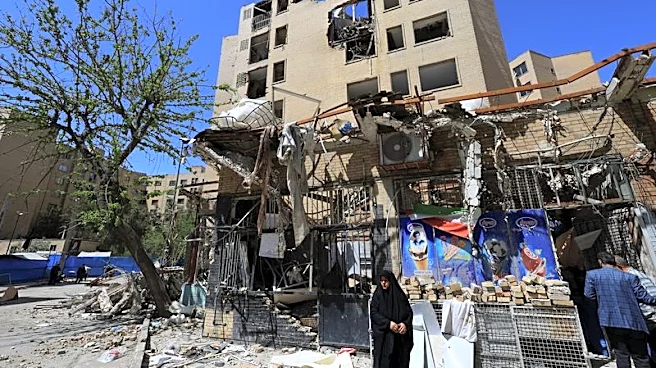
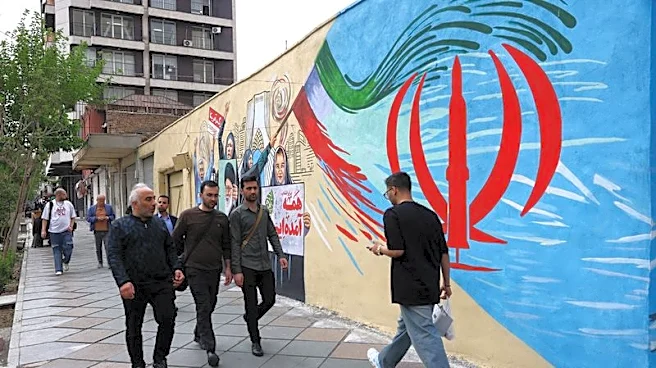
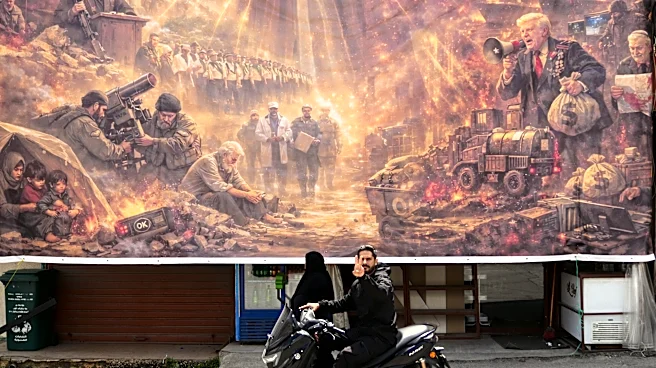
The United Nations Development Programme (UNDP) Chief, Alexander De Croo, has issued a warning that the ongoing conflict involving Iran is set to push over 30 million people back into poverty. This dire prediction is attributed to significant disruptions
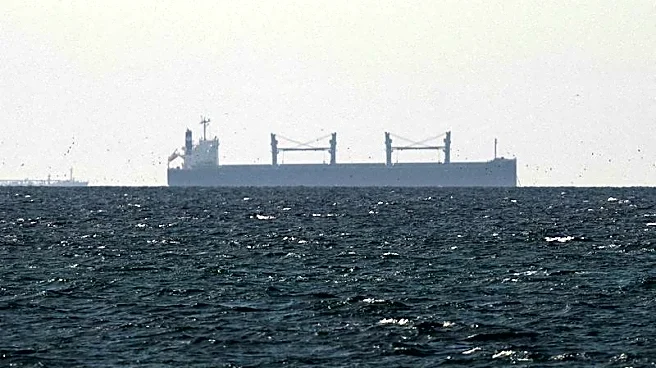
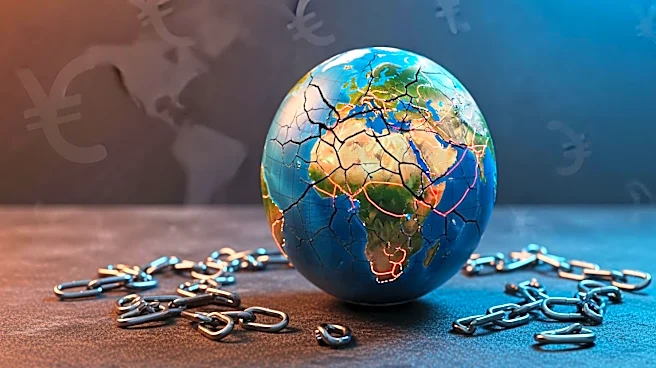
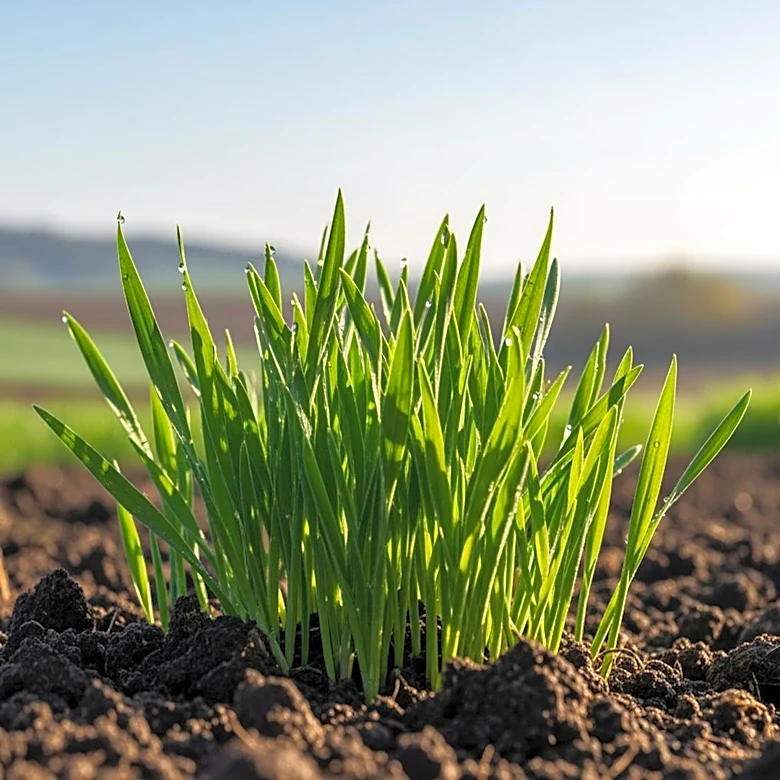
in global supply chains, particularly affecting fuel and fertilizer supplies. The Strait of Hormuz, a critical passage for one-third of the world's fertilizer, is a focal point of tension between Iran and the United States, exacerbating the situation. The shortage of fertilizers is expected to lower agricultural productivity, impacting crop yields later in the year. Additionally, the crisis is anticipated to peak food insecurity levels, with energy shortages and reduced remittances further compounding the issue. International organizations, including the World Bank and the International Monetary Fund, have also raised alarms about the rising food prices and their impact on vulnerable populations.
Why It's Important?
The implications of the Iran conflict extend beyond immediate humanitarian concerns, posing significant threats to global economic stability. The disruption in fertilizer supply chains is likely to affect agricultural outputs worldwide, potentially leading to increased food prices and exacerbating food insecurity. This situation is particularly critical for developing nations that rely heavily on affordable food imports. Furthermore, the economic fallout from the conflict is estimated to have already reduced global GDP by 0.5% to 0.8%, highlighting the broader economic ramifications. The strain on humanitarian efforts is also notable, as funding diminishes while needs escalate in regions like Sudan, Gaza, and Ukraine. The inability to provide aid to those in need could lead to further destabilization in these areas.
What's Next?
The continuation of the conflict suggests that the global community may need to brace for prolonged economic and humanitarian challenges. Efforts to mediate and resolve the conflict could be crucial in mitigating further disruptions. Additionally, international bodies and governments may need to explore alternative supply chain strategies to reduce dependency on conflict-prone regions. Humanitarian organizations will likely need to prioritize resource allocation to the most affected areas, potentially requiring increased international cooperation and funding.