


What's Happening?
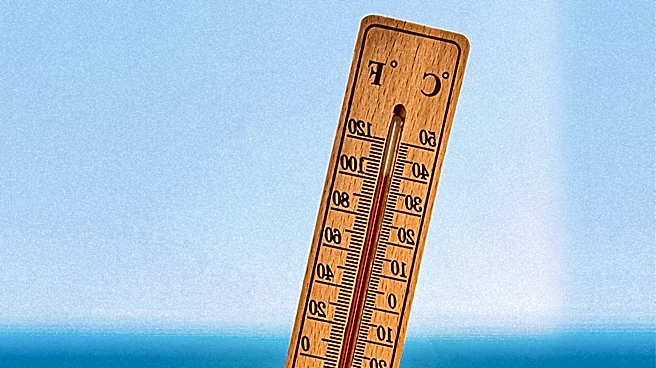
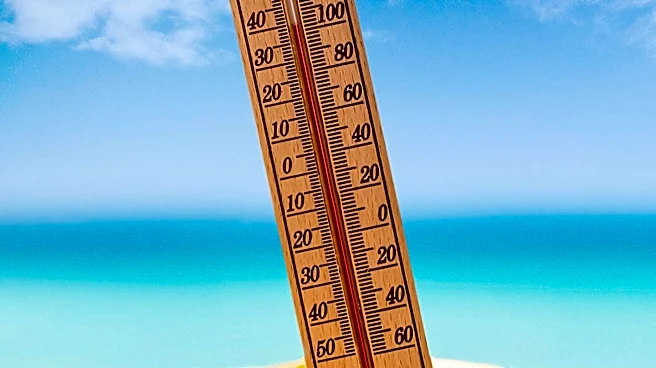
As Southern California braces for a severe heat wave, the Centers for Disease Control and Prevention (CDC) has issued a warning about the use of electric fans in high temperatures. According to the CDC, using fans when temperatures exceed 90 degrees Fahrenheit
can be counterproductive, as they circulate hot air, potentially increasing body temperature and leading to dehydration and heat-related illnesses. David Eisenman, a professor of medicine and co-director of the UCLA Center for Healthy Climate Solutions, explains that fans can act like convection ovens, warming the body instead of cooling it. The CDC's guidelines are conservative, suggesting that fans should not be used when temperatures exceed 90 degrees, although the World Health Organization sets the threshold at 95 degrees. The heat wave is expected to bring temperatures as high as 115 degrees in some areas, prompting experts to advise alternative cooling methods.
Why It's Important?
The CDC's warning highlights the potential health risks associated with improper cooling methods during extreme heat events. With temperatures soaring, especially in urban areas like Southern California, the risk of heat-related illnesses such as heat exhaustion and heat stroke increases significantly. Vulnerable populations, including the elderly and those with pre-existing health conditions, are particularly at risk. The guidance aims to prevent health emergencies by encouraging safer cooling practices. This advisory is crucial as climate change continues to increase the frequency and intensity of heat waves, necessitating public awareness and preparedness to mitigate health risks.
What's Next?
As the heat wave progresses, public health officials may continue to issue advisories and provide resources to help residents stay safe. Local governments might implement cooling centers and distribute information on effective cooling strategies. The situation underscores the need for long-term solutions to address the impacts of climate change, including infrastructure improvements and community education on heat safety. Monitoring the effectiveness of public health campaigns and the community's response to such advisories will be essential in reducing heat-related health incidents.