





What's Happening?
TIME Magazine has released its 2026 list of the 100 most influential people globally, featuring a diverse array of individuals from various sectors. Notable figures include President Trump, Pope Leo XIV, and Secretary of State Marco Rubio. The list also
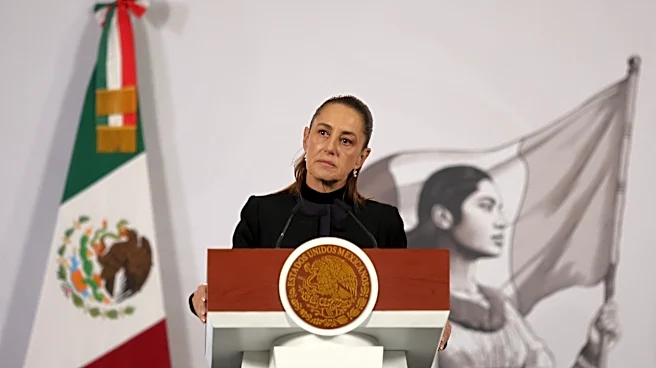
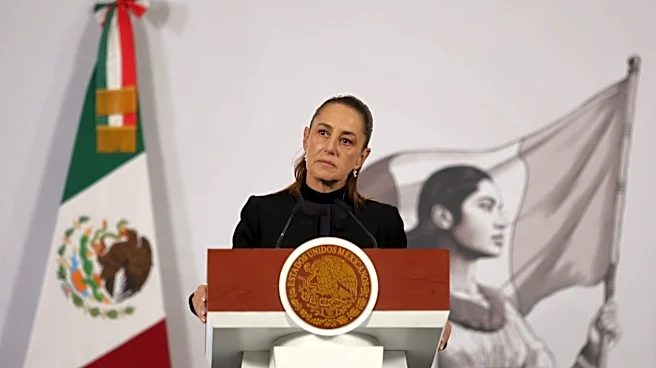
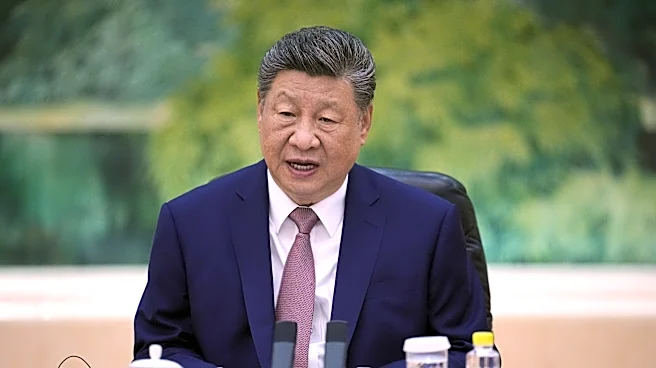
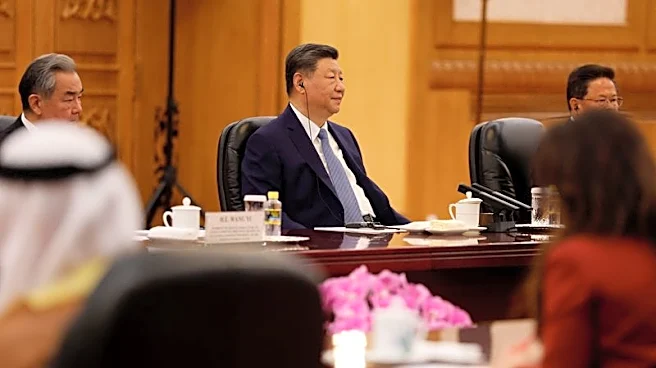
highlights artists such as Luke Combs and Jennie from Blackpink, pioneers like MrBeast and Disney CEO Josh D'Amaro, and titans such as Zoe Saldana and Ralph Lauren. Leaders from around the world, including Mexico's President Claudia Sheinbaum and China's President Xi Jinping, are also recognized. The honorees will be celebrated at a gala event on April 23rd, hosted by Nikki Glaser, with musical performances by Luke Combs and Coco Jones.
Why It's Important?
The TIME 100 list is a significant cultural event that showcases individuals who have made substantial impacts in their respective fields. Featuring President Trump and other global leaders underscores the political influence these figures hold. The inclusion of artists and innovators highlights the importance of cultural and technological contributions to society. This list serves as a reflection of current global dynamics, recognizing those who shape public discourse and drive change. It can influence public perception and inspire future leaders across various industries.
What's Next?
The gala event on April 23rd will provide a platform for these influential figures to be celebrated and potentially discuss their future endeavors. It may also serve as an opportunity for networking among leaders and innovators, fostering collaborations that could lead to new initiatives. Observers will be keen to see how these individuals continue to influence their fields and whether their recognition will lead to further achievements or shifts in their careers.
Beyond the Headlines
The TIME 100 list often sparks discussions about the criteria for influence and the balance between cultural, political, and economic power. It raises questions about the evolving nature of leadership and the role of media in shaping public perception. The list can also highlight disparities in representation, prompting conversations about diversity and inclusion in global leadership.