

What's Happening?
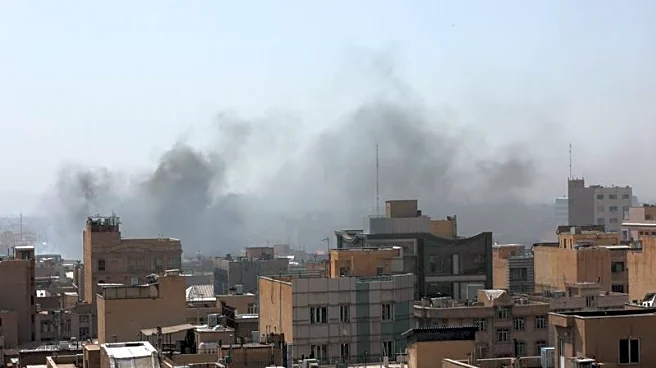
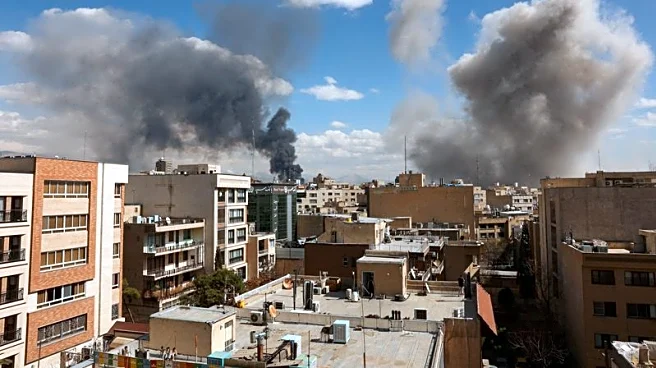
The International Criminal Court (ICC) does not have jurisdiction over the recent attacks by the United States and Israel on Iran, as none of these countries are members of the ICC. According to international law, the ICC can only exercise jurisdiction if
the United Nations Security Council refers the case to its prosecutors. The attacks have been described as a 'crime of aggression' under the ICC's definition, which involves the use of armed force against the sovereignty or territorial integrity of another state. However, without a Security Council referral, the ICC cannot take action. Legal experts have debated the legality of these strikes, with some arguing that the doctrine of self-defense under Article 51 of the UN Charter does not apply, as there was no evidence of an imminent threat from Iran.
Why It's Important?
The lack of ICC jurisdiction highlights the limitations of international law in addressing conflicts involving non-member states. This situation underscores the challenges in holding powerful nations accountable for military actions that may violate international norms. The inability of the ICC to intervene could embolden countries to act unilaterally, potentially destabilizing international relations and undermining the rule of law. The situation also raises questions about the effectiveness of international institutions in maintaining global peace and security, particularly when major powers are involved.
What's Next?
Without ICC intervention, the resolution of this conflict will likely depend on diplomatic efforts and negotiations among the involved parties and the international community. The United Nations Security Council may face pressure to address the situation, but geopolitical dynamics and the interests of its permanent members could complicate any potential actions. Observers will be watching for any shifts in policy or strategy from the U.S., Israel, and Iran, as well as reactions from other nations and international organizations.
Beyond the Headlines
The situation raises broader questions about the future of international law and the role of the ICC in global governance. The inability to address actions by non-member states could lead to calls for reforming international legal frameworks to enhance accountability and prevent unilateral military actions. Additionally, the conflict may influence public opinion and political discourse in the involved countries, potentially affecting domestic and foreign policy decisions.