





What's Happening?
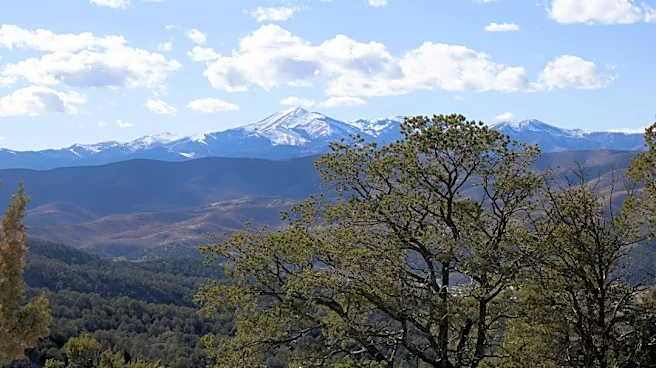
The Lincoln National Forest in New Mexico is preparing to conduct prescribed pile burns on its Sacramento Ranger District, with operations potentially starting as early as October 30, 2026. This initiative follows recent wetting moisture, which has created
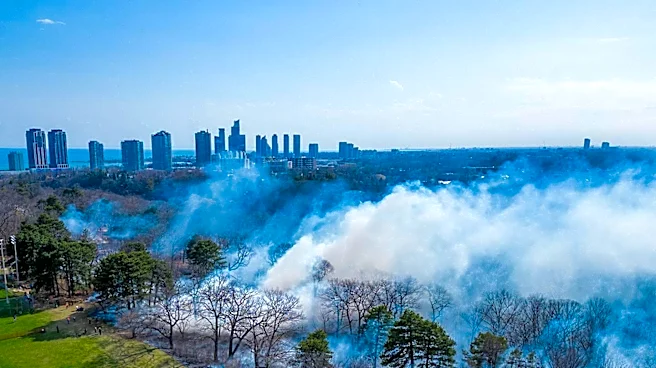
favorable conditions for controlled burns. Forest Service officials anticipate that the work, which includes burning approximately 153 acres of 16 Springs Crooked Piles, could extend into October 31, 2026, depending on fuel moisture levels and other environmental factors. Certified prescribed fire specialists are overseeing these operations. The primary goal is to reduce overgrown vegetation, thereby protecting local communities, infrastructure, and natural resources from the threat of extreme, high-severity wildfires. Residents in 16 Springs and Mayhill, NM, may experience smoke, but the Forest Service is coordinating with air quality specialists to monitor and manage smoke impacts. The agency emphasizes that these are controlled fires and asks the public not to report them, as firefighters will be on-site throughout the ignition and patrol phases.
Why It's Important?
This prescribed burning initiative by the Lincoln National Forest is a critical component of proactive wildfire management in the U.S. Southwest, a region increasingly vulnerable to severe blazes due to climate change. By reducing fuel loads through controlled burns, the Forest Service aims to decrease the intensity and spread of potential future wildfires, safeguarding both human lives and ecological systems. The strategy helps maintain forest health, promotes biodiversity, and reduces the economic burden associated with large-scale wildfire suppression and recovery efforts. For local communities, these controlled burns offer a measure of protection against property damage and the health risks posed by wildfire smoke. The careful timing, leveraging recent moisture, highlights a scientific approach to land management that balances ecological needs with public safety, demonstrating a commitment to long-term resilience in fire-prone landscapes.
What's Next?
The Lincoln National Forest will continue to monitor environmental conditions, including fuel moisture levels, in the hours and days leading up to the planned prescribed burns. If conditions are not deemed favorable for safe and effective operations, the activities will be postponed or canceled. The Forest Service will provide updates on its website and social media channels to keep the public informed about the schedule. Following the ignitions, firefighters will remain on scene to ensure the fires are contained and to patrol the areas afterward. This ongoing vigilance is crucial to prevent any unintended spread and to manage smoke impacts on nearby communities. The success of these burns will inform future prescribed fire strategies, contributing to a broader, adaptive management approach for national forests in the face of evolving climate patterns and wildfire risks.
Beyond the Headlines
The practice of prescribed burning, as undertaken by the Lincoln National Forest, represents a significant shift in wildfire management philosophy, moving from solely reactive suppression to proactive prevention. This approach acknowledges the historical role of fire in many ecosystems and seeks to reintroduce controlled fire as a tool for ecological health. Beyond immediate risk reduction, these burns can enhance forest resilience by promoting the growth of fire-adapted species and creating a more diverse landscape less susceptible to catastrophic fires. However, the implementation of prescribed burns also involves complex social and political considerations, including public perception of smoke, potential risks of escape, and the need for sustained funding and trained personnel. The long-term success of such initiatives hinges on continuous scientific research, community engagement, and adaptive management strategies that can respond to changing climate conditions and public needs.