

What's Happening?
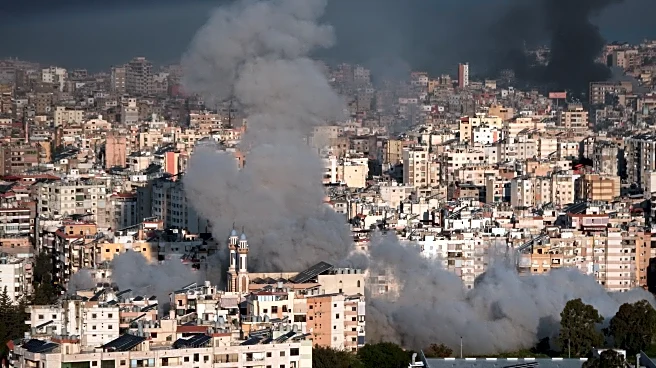
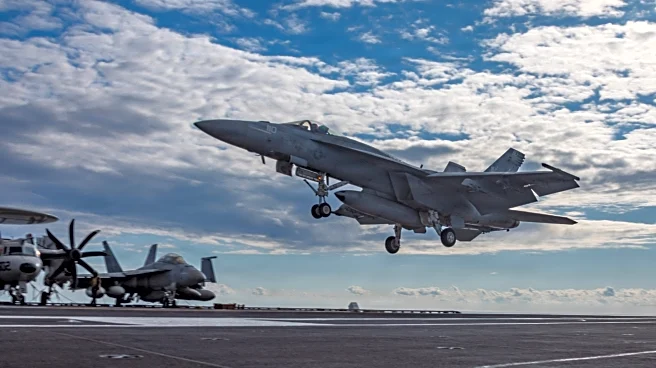
The recent U.S. military action against Iran has led to a significant disruption in global oil and gas supplies, which is now threatening the availability of fertilizers crucial for American agriculture. The conflict has particularly affected the supply
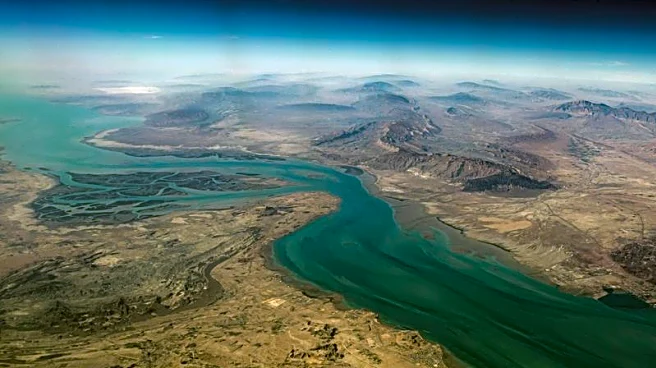
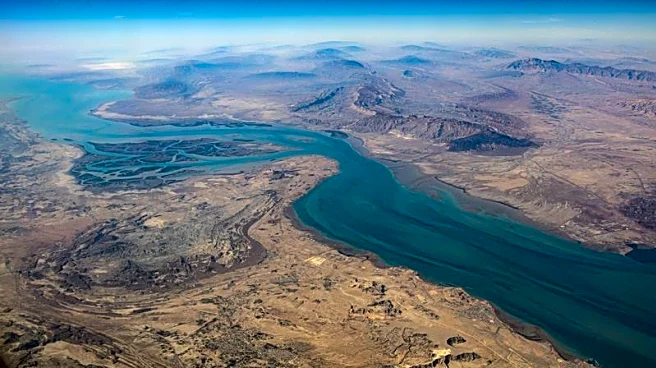
of nitrogen fertilizers, such as urea, which are essential for crop production. Qatar, a major exporter of urea, has halted production following drone strikes on its facilities, removing a substantial portion of the global natural gas supply. This has caused a spike in gas prices and has put the supply of urea at risk. The blockage of the Strait of Hormuz, a critical passage for global trade, has further exacerbated the situation by preventing exports from other key nitrogen-producing countries in the region.
Why It's Important?
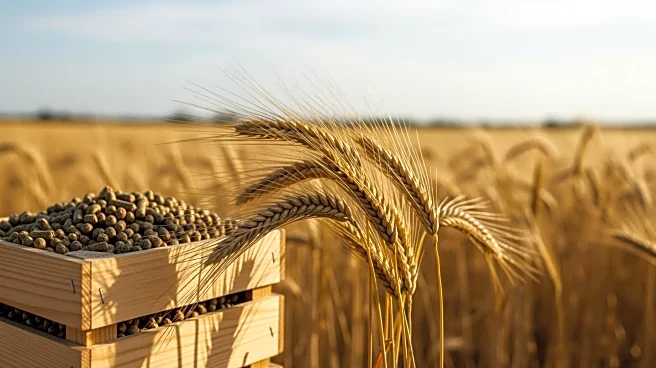
The disruption in fertilizer supply comes at a critical time for U.S. farmers, who are preparing for the spring planting season. Fertilizers are vital for crop yields, and any shortage could lead to increased costs and reduced agricultural output. This situation compounds existing challenges faced by farmers due to ongoing tariff wars. The potential shortage of fertilizers like urea and phosphates could lead to higher prices and limited availability, impacting the agricultural sector's profitability and stability. The broader economic implications include potential increases in food prices and further strain on the agricultural supply chain.
What's Next?
The Trump administration has announced measures to protect oil tankers in the Strait of Hormuz, but the effectiveness of these initiatives remains uncertain. The focus on securing oil and gas assets may delay efforts to stabilize fertilizer supplies. U.S. farmers and agricultural stakeholders are likely to seek alternative sources or adjust planting strategies to mitigate the impact. The situation may prompt calls for policy interventions to support the agricultural sector and ensure food security. Continued geopolitical tensions in the Middle East could lead to prolonged disruptions, necessitating strategic adjustments by both government and industry players.