








What's Happening?
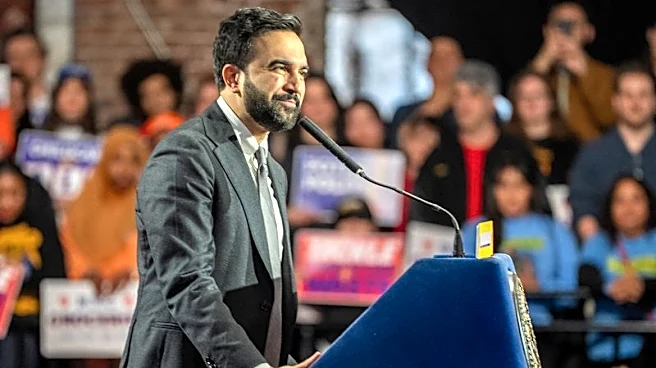
Mayor Zohran Mamdani has announced a new initiative aimed at reducing insurance costs for landlords of affordable and rent-stabilized apartments in New York City. The plan involves using taxpayer funds to back an insurance program that would initially
cover 20,000 homes by 2027, with the potential to expand to 100,000 homes by 2030. The program is designed to alleviate financial pressures on landlords who are facing rising costs, despite Mamdani's previous push for a rent freeze on rent-controlled units. The city plans to act as a guarantor for the insurance, with the expectation that the program will eventually become self-sustaining. The initiative is part of a broader effort to stabilize the housing market and support affordable housing development.
Why It's Important?
This initiative is significant as it addresses the financial strain on landlords of affordable housing, which could have broader implications for the housing market in New York City. By reducing insurance costs, the program aims to prevent the escalation of housing costs and support the development of new affordable housing units. The plan could save the city between $500 and $700 million in capital funds over the next five years, according to city officials. This move also highlights the city's commitment to maintaining affordable housing options amidst rising insurance premiums, which have tripled since 2017. The program's success could serve as a model for other cities facing similar challenges.
What's Next?
City officials are set to begin the process of finding a consultant to help design the program, followed by seeking proposals from private entities to run it. The initiative requires approval from the City Council, which will be crucial for its implementation. The program's development will be closely watched by stakeholders, including landlords, tenants, and housing advocates, as it could significantly impact the dynamics of the city's housing market. The administration's ability to balance the interests of landlords and tenants will be critical in ensuring the program's success and sustainability.