






What's Happening?
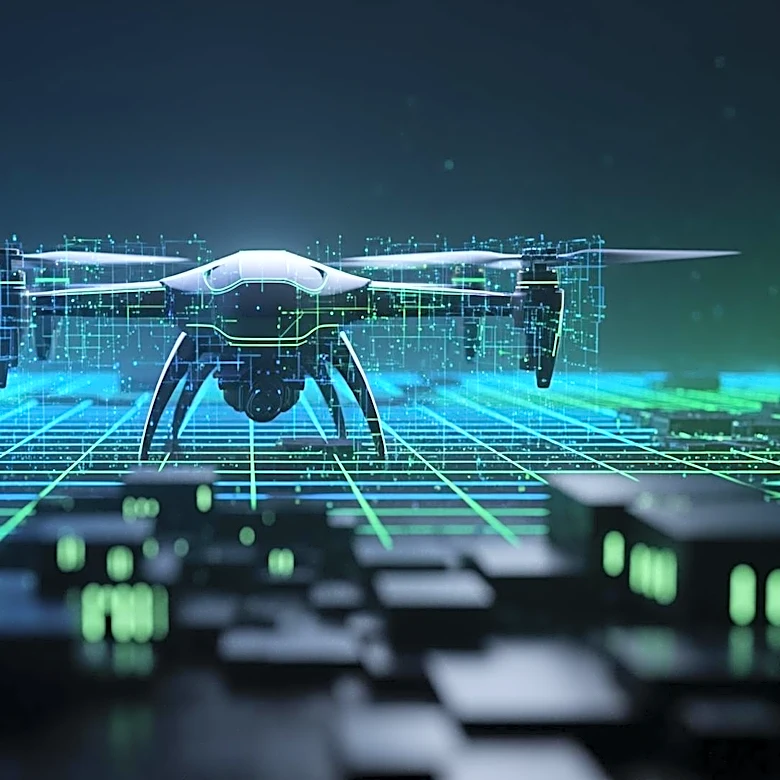
Joint Chiefs Chairman Gen. Dan Caine emphasized the critical role of autonomous weapons in future U.S. military operations during a discussion at Vanderbilt University. He highlighted the Pentagon's focus on integrating artificial intelligence into drones
and command-and-control systems. Caine's remarks come amid scrutiny over the use of AI in military contexts, particularly concerning accountability and compliance with the laws of war. The Pentagon faces questions from lawmakers about the potential use of AI in a recent strike on an Iranian school. Caine also addressed the need for improved government contracts with the private sector to enhance military outcomes.
Why It's Important?
The integration of autonomous weapons into U.S. military strategy represents a significant shift in defense policy, potentially altering the landscape of warfare. This move could enhance the speed and efficiency of military operations but raises ethical and legal concerns about accountability and adherence to international laws. The focus on AI reflects broader trends in military modernization and the increasing role of technology in national security. The outcome of these developments could impact defense contractors, military personnel, and international relations, particularly with nations wary of AI's military applications.
What's Next?
The Pentagon is likely to continue exploring AI applications in military operations, balancing technological advancements with ethical considerations. Future discussions may involve lawmakers, defense contractors, and international partners to address concerns and establish guidelines for AI use in warfare. The outcome of these efforts could influence U.S. military strategy and international norms regarding autonomous weapons.