







What's Happening?
Israel and Lebanon have agreed to a 45-day extension of their ceasefire following talks in Washington, as announced by the U.S. State Department. The ceasefire, initially set to expire, has been extended to allow for further negotiations scheduled for early
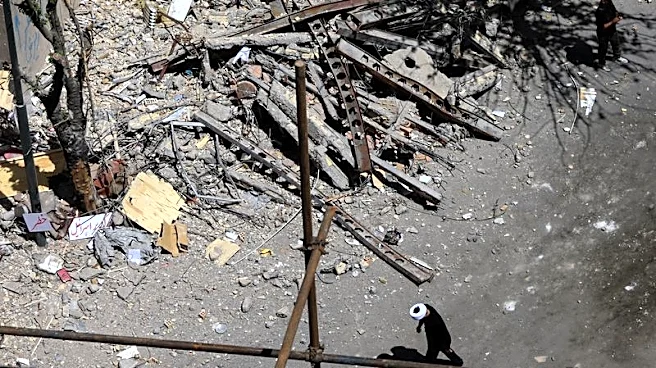
June. The discussions aim to foster lasting peace, mutual recognition of sovereignty, and security along the shared border. Despite the ceasefire, tensions remain high, with recent Israeli military strikes on Hezbollah sites in southern Lebanon, resulting in injuries and damage to infrastructure. The U.S. continues to support Israel while expressing concerns over the situation in southern Lebanon.
Why It's Important?
The extension of the ceasefire is crucial in preventing further escalation of conflict between Israel and Hezbollah, which could destabilize the region. The ongoing negotiations reflect the U.S.'s role in mediating peace efforts in the Middle East. A successful resolution could lead to improved security and diplomatic relations between Israel and Lebanon, impacting regional stability. However, the continued military actions and the complex political landscape pose challenges to achieving a lasting peace agreement.
What's Next?
Further negotiations are planned for June, with the potential for a more comprehensive peace agreement. The outcome of these talks could influence future U.S. foreign policy in the region and affect the strategic balance in the Middle East. Stakeholders, including regional governments and international organizations, will likely continue to monitor and influence the peace process.