


What's Happening?
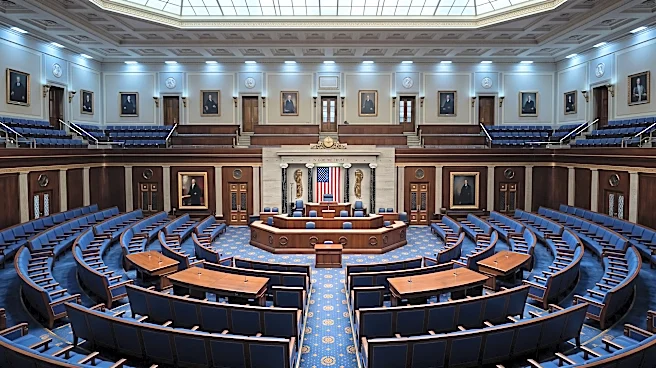
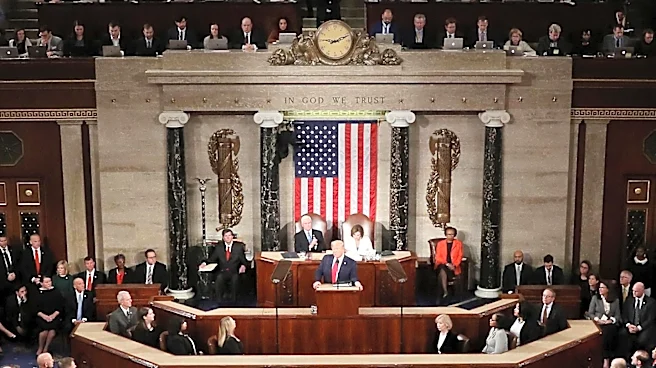
The U.S. House of Representatives has passed a bill that aims to cut federal funding to colleges and universities that participate in commercial boycotts of Israel. The measure, which passed 237 to 169, saw a significant split within the Democratic party,
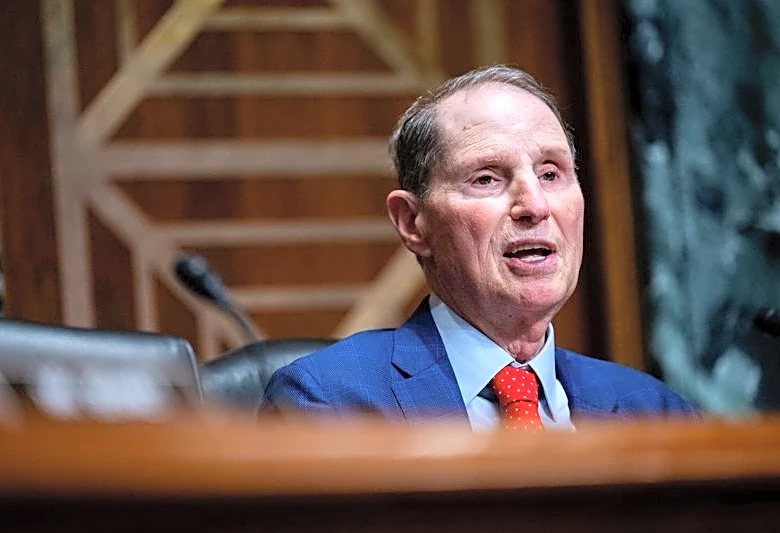
with the vast majority of Democrats, including House Minority Leader Hakeem Jeffries, voting against it. Only 33 left-wing Democratic lawmakers supported the bill. The legislation specifically prohibits institutions that engage in 'non-expressive commercial boycott of Israel' from receiving government funding and requires universities receiving federal funds to ensure students are not 'unreasonably obstructed' from studying abroad in Israel. Republicans largely supported the bill, with only two voting against it. The debate highlighted ongoing divisions within Congress regarding antisemitism and the Israel-Gaza conflict, with Republicans framing the bill as a means to protect Jewish students and Democrats raising concerns about free speech and academic freedom.
Why It's Important?
This legislative action is significant as it directly impacts the financial landscape of higher education institutions in the U.S. that might be involved in or considering the Boycott, Divestment, and Sanctions (BDS) movement against Israel. The bill's passage underscores the growing political pressure on colleges to address antisemitism on campuses, particularly in the wake of the Israel-Gaza conflict. For universities, the potential loss of federal funding could be substantial, forcing them to re-evaluate their policies regarding student and faculty activism related to Israel. The deep partisan divide on this issue, with most Democrats opposing the bill due to free speech concerns, highlights the complex interplay between foreign policy, civil liberties, and educational funding in the U.S. It also reflects the broader fracturing within the Democratic party on issues related to Israel, which could have implications for future elections and legislative priorities.
What's Next?
Following its passage in the House, the bill will now move to the Senate for consideration. Its fate in the Senate is uncertain, given the strong opposition from many Democrats in the House. If it were to pass the Senate, it would then require presidential assent to become law. Universities and advocacy groups on both sides of the issue are likely to intensify their lobbying efforts. Colleges currently involved in BDS activities may face increased scrutiny and pressure to alter their stances to avoid potential funding cuts. The debate is also expected to continue on college campuses, potentially leading to further protests and discussions about academic freedom and the limits of free speech. The outcome of this legislation could set a precedent for how the U.S. government addresses politically charged movements within educational institutions.
Beyond the Headlines
Beyond the immediate legislative implications, this bill touches upon fundamental questions of free speech, academic freedom, and the role of government in regulating campus activism. Critics argue that the bill could stifle legitimate protest and academic discourse, potentially leading to a chilling effect on discussions about international conflicts and human rights. Proponents, however, emphasize the need to combat antisemitism and ensure a safe learning environment for Jewish students. The legislation also highlights the increasing politicization of higher education, where universities are becoming battlegrounds for broader societal and geopolitical debates. This trend could lead to a re-evaluation of the balance between institutional autonomy and governmental oversight, potentially impacting the future of academic freedom and the diversity of viewpoints expressed on college campuses across the nation.