




What's Happening?
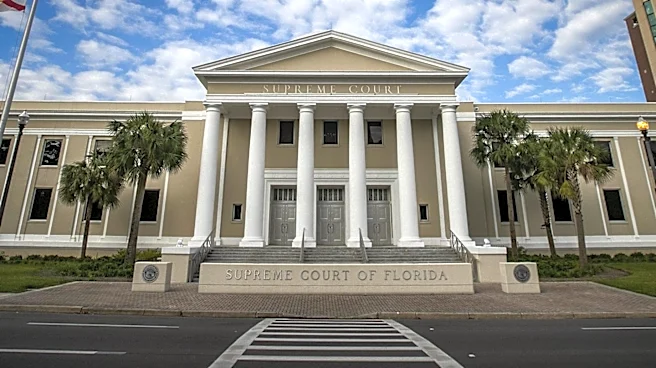
A Leon County judge has mandated a rewrite of the ballot language for Florida's Amendment 3, citing the current description as biased and misleading. Circuit Judge David Frank ruled that the language used by the Legislature was more akin to a political
slogan than a neutral description, particularly criticizing the use of the word 'save' which he deemed emotionally provocative. The amendment, which proposes changes to property tax regulations, was challenged in court for its title 'Save Our Homes From Excessive Property Taxes' and its summary, which promised benefits to taxpayers and small businesses. The judge found these claims misleading, as the amendment does not guarantee lower taxes and could lead to increased costs for renters if landlords pass on tax hikes. The ruling requires Attorney General James Uthmeier to submit revised language within 10 days, ensuring voters receive a fair and accurate explanation of the amendment.
Why It's Important?
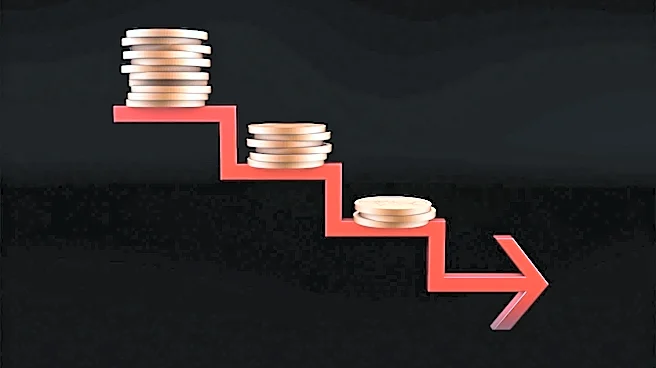
The ruling highlights the importance of clear and unbiased language in ballot measures, ensuring voters can make informed decisions. The decision could impact how future amendments are presented, emphasizing the need for transparency and accuracy. The amendment itself, if passed, could significantly alter property tax structures in Florida, affecting homeowners, renters, and local government revenues. The potential reduction in tax revenue could lead to increased millage rates or special assessments by local governments, offsetting any intended savings. This case underscores the broader implications of ballot language on public policy and voter perception.
What's Next?
The Attorney General must submit revised language for the ballot within 10 days, and any challenges to the new wording must be filed promptly. The court retains jurisdiction over the rewrite, and the state may appeal the decision. With ballots set to be printed by August 27, there is a tight timeline for any further legal actions. The amendment requires 60% voter approval to pass in November, and the outcome could influence future legislative approaches to ballot measures.