









What's Happening?
Cedar Key, Florida, a small fishing village located on Florida's Nature Coast, is highlighted as a unique winter detour destination. Unlike traditional sand and surf locations, Cedar Key emphasizes its natural environment, wildlife, and tranquil pace.
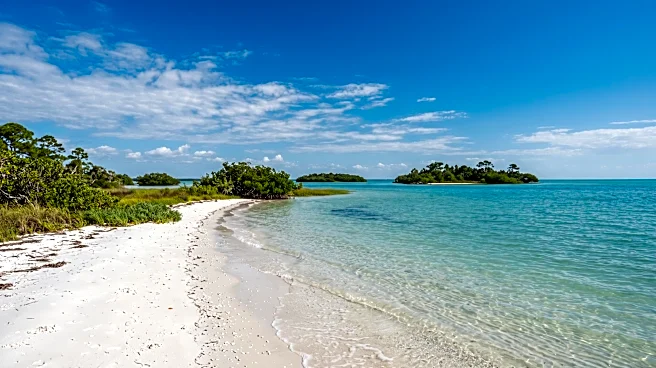
The village features a small public beach, Lil Shark Park, with white sand and calm, shallow waters. A significant attraction is the Cedar Keys National Wildlife Refuge, which encompasses 13 islands that historically served as fish camps. Winter temperatures in Cedar Key typically range from 65 to 75 degrees Fahrenheit, making it suitable for activities such as kayaking and birdwatching. Over 200 bird species have been documented in the area. The town is situated approximately an hour southwest of Gainesville and two and a half hours north of Tampa.
Why It's Important?
This focus on Cedar Key as a winter destination underscores a growing trend in U.S. tourism towards nature-based and quieter travel experiences, particularly during off-peak seasons. For the local economy of Cedar Key, promoting its unique ecological attractions during winter can help diversify its tourism base beyond typical beach-goers, potentially attracting eco-tourists and birdwatchers. This approach can lead to more sustainable tourism development, reducing the strain on resources often associated with high-volume, summer-centric tourism. It also highlights the economic value of preserving natural habitats like the Cedar Keys National Wildlife Refuge, as these areas become key draws for visitors seeking different types of recreational activities and a slower pace of life.
What's Next?
The continued promotion of Cedar Key as a winter destination could lead to increased visitor numbers during what might traditionally be a slower period for the region. Local businesses, including those offering kayaking tours, birdwatching excursions, and accommodations, may see a boost in activity. The emphasis on the Cedar Keys National Wildlife Refuge suggests potential for further development of eco-tourism infrastructure and educational programs. This could also encourage other U.S. coastal communities with unique natural attributes to market themselves as alternative winter getaways, moving away from the conventional 'warm beach' narrative and focusing on their distinct environmental offerings.
Beyond the Headlines
The appeal of Cedar Key reflects a broader cultural shift towards experiential travel and a desire for authenticity and connection with nature. In an increasingly fast-paced world, destinations that offer tranquility and opportunities for wildlife observation provide a valuable escape. This trend also raises questions about the balance between promoting tourism and preserving the delicate ecosystems that attract visitors. Effective management of visitor impact on areas like the Cedar Keys National Wildlife Refuge will be crucial to ensure the long-term sustainability of both the environment and the local tourism industry. It highlights the ethical responsibility of travelers and tourism operators to engage in practices that support conservation.