




What's Happening?
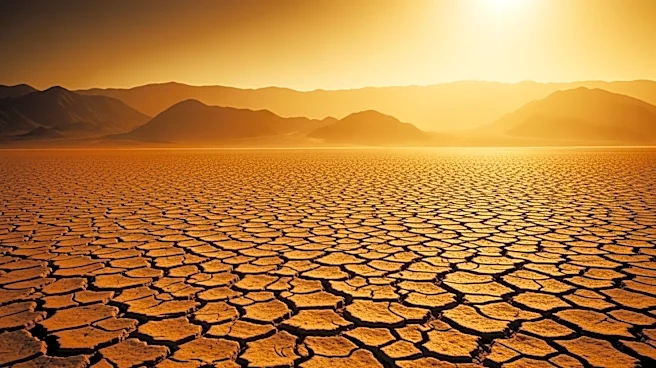
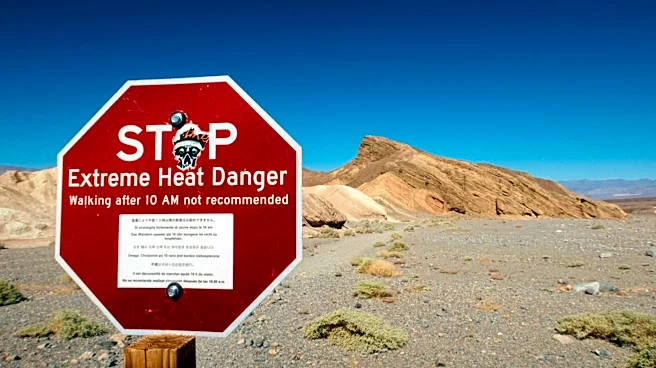
California and Arizona are experiencing extreme heat conditions, with temperatures soaring into the 100s, prompting the National Weather Service to issue heat alerts. This heat wave coincides with an increased risk of wildfires, as highlighted by the National Oceanic
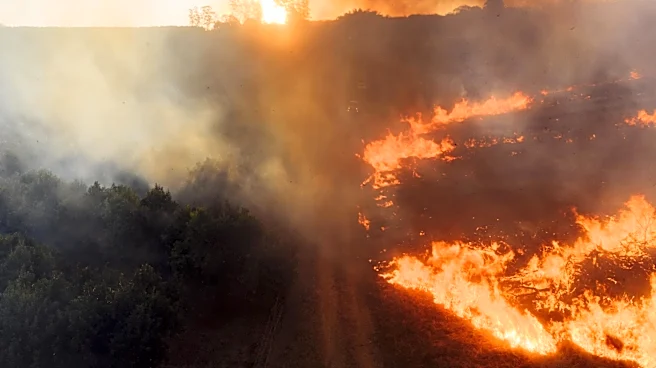
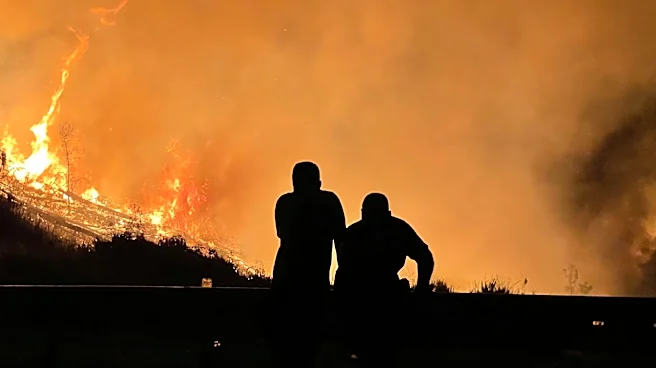
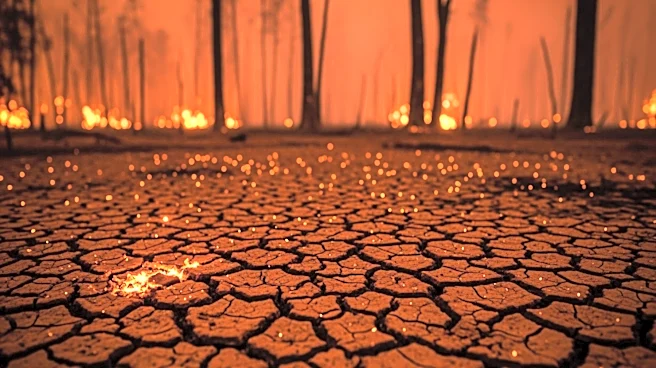
and Atmospheric Administration's recent climate assessment. The report indicates that several U.S. regions, including parts of the Southwest and northern Plains, face above-normal wildfire potential this month. The National Interagency Fire Center's outlook shows that areas such as eastern Arizona, southern Utah, and parts of the southeastern U.S. are particularly vulnerable. The combination of high temperatures, dry air, and gusty winds creates conditions conducive to rapid fire spread.
Why It's Important?
The convergence of extreme heat and elevated wildfire risk poses significant challenges for communities and firefighting resources. High temperatures can lead to heat-related illnesses and strain energy systems due to increased cooling demands. The potential for large-scale wildfires threatens public safety, property, and natural resources. Additionally, the economic impact of fires can be substantial, affecting tourism, agriculture, and local economies. The situation underscores the importance of preparedness and resource allocation to manage fire risks effectively.
What's Next?
As the heat wave continues, fire weather warnings and red flag alerts are likely to remain in effect, urging residents to avoid activities that could ignite fires. Firefighting agencies may need to increase staffing and equipment readiness to respond to potential outbreaks. Long-term, the focus may shift towards developing strategies to mitigate the impacts of climate change and improve resilience against extreme weather events. Public education campaigns could also play a role in promoting fire safety and preparedness.