


What's Happening?
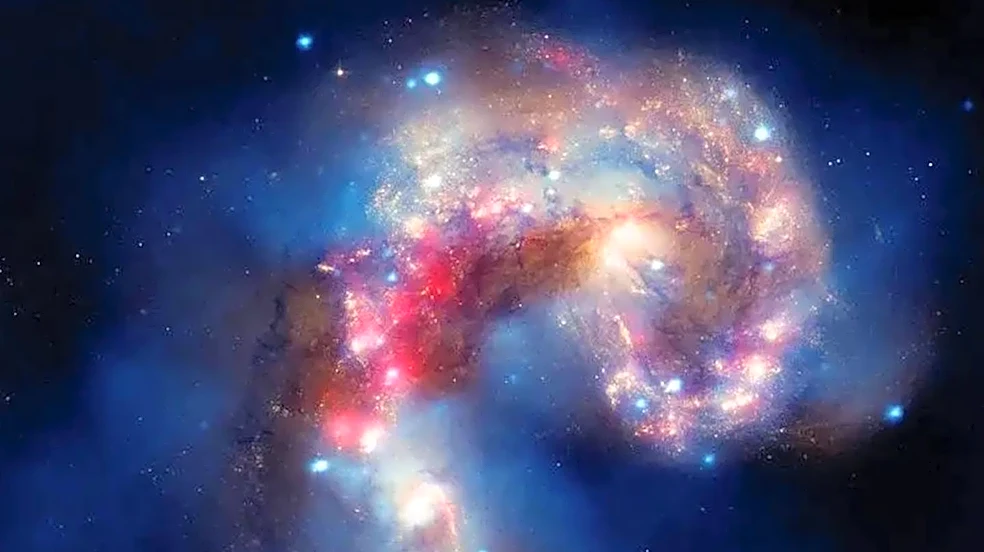
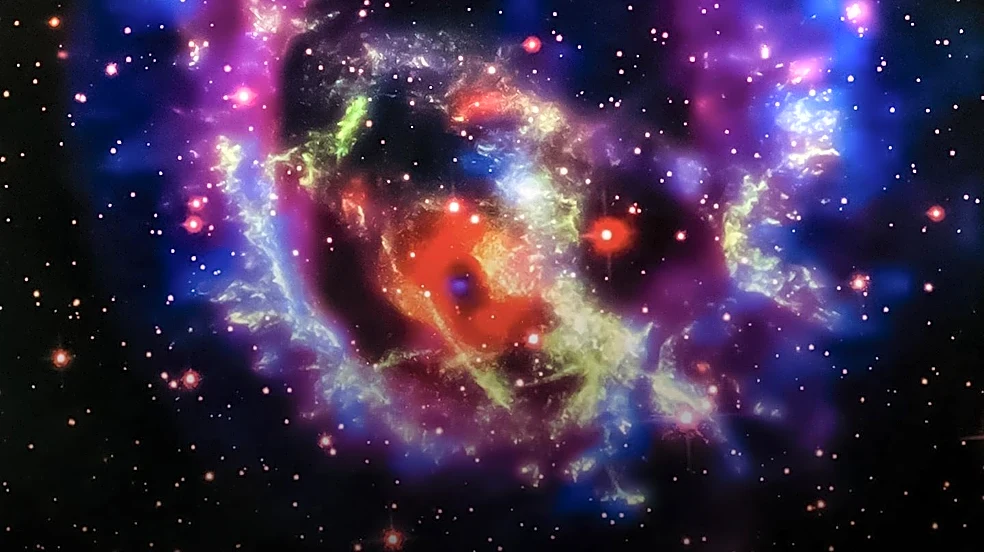
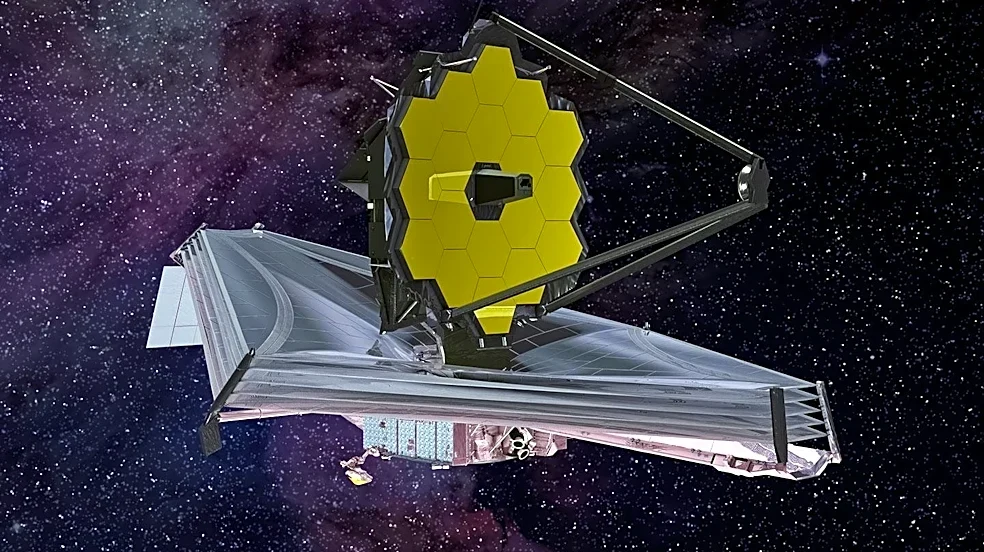
NASA has released a collection of 16 new images showcasing the diverse and dynamic nature of galaxies, combining observations from the Chandra X-ray Observatory with data from other powerful telescopes like the James Webb and Hubble Space Telescopes.
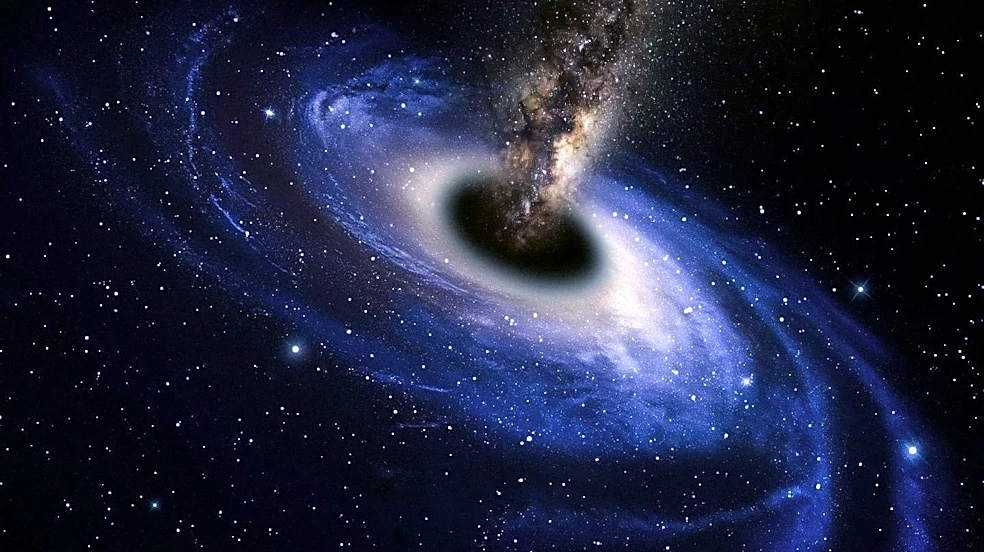
These images highlight various galactic phenomena, including violent collisions, powerful black holes, and explosive star formation. The collection illustrates how galaxies, much like gemstones, preserve clues about the forces that have shaped the universe over billions of years. X-ray observations are particularly crucial as they reveal extreme activities often missed by other light wavelengths, such as superheated gas clouds, material ejected by supermassive black holes, and remnants of stellar explosions. These processes are vital for distributing chemical elements throughout space, which are fundamental to the formation of planets and life.
Why It's Important?
This release is significant for advancing our understanding of galactic evolution and the universe's history. By combining multi-wavelength data, astronomers gain a more comprehensive view of how galaxies form stars, interact with their environments, and change over cosmic timescales. The study of violent galaxy collisions, for instance, offers insights into the potential future of our own Milky Way galaxy, which is predicted to merge with the Andromeda galaxy billions of years from now. Understanding these interactions helps scientists predict and prepare for such cosmic events. Furthermore, the observations of supermassive black holes and their energy outflows provide critical data on how these colossal entities influence the conditions across their host galaxies, impacting star formation and galactic structure. The distribution of chemical elements through these processes is also fundamental to understanding the building blocks of life.
What's Next?
Astronomers will continue to analyze the detailed data from these 16 galaxies, using the combined observations to refine models of galactic formation and evolution. Future research will likely focus on specific features identified in these images, such as the mechanisms driving intense star formation in barred spiral galaxies or the precise impact of supermassive black holes on their galactic environments. The insights gained from studying these diverse galactic systems will inform future observational campaigns by NASA's telescopes, potentially leading to more targeted studies of similar phenomena. The ongoing observation of galactic mergers will also provide further clues about the Milky Way's eventual collision with Andromeda, allowing scientists to develop more accurate simulations of this future event.
Beyond the Headlines
The detailed imagery and scientific analysis extend beyond mere astronomical observation, touching upon fundamental questions about the universe's origins and the prevalence of conditions necessary for life. The understanding of how chemical elements are dispersed through stellar explosions and galactic winds underscores the cosmic connection to life on Earth, as these elements are the very components of planets and biological systems. The study of galactic evolution also provides a deeper appreciation for the dynamic and ever-changing nature of the cosmos, challenging the perception of galaxies as static entities. This research contributes to humanity's broader quest to understand its place in the universe and the intricate processes that govern cosmic structures.