







What's Happening?
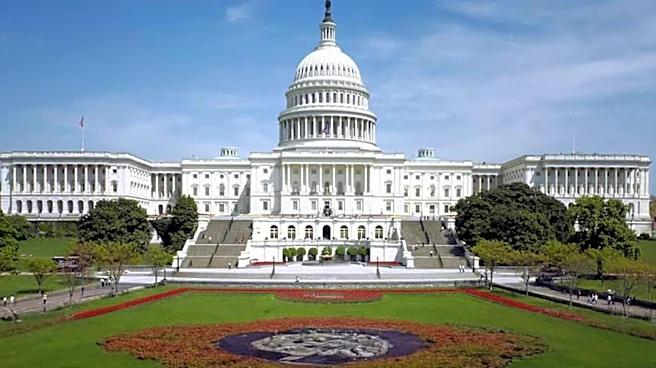
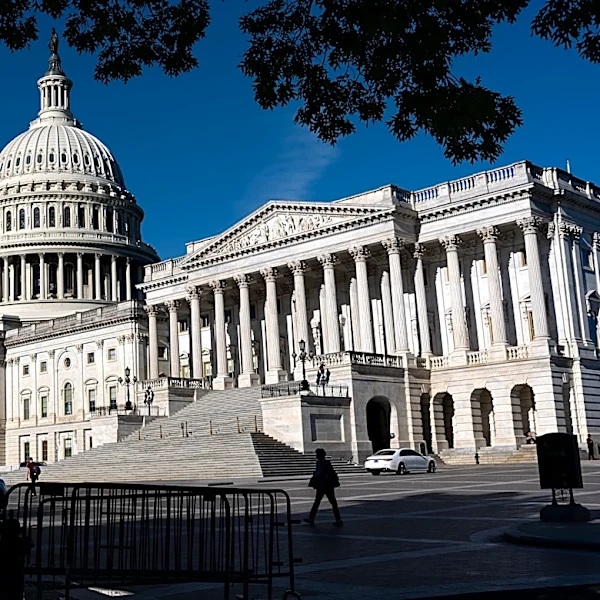
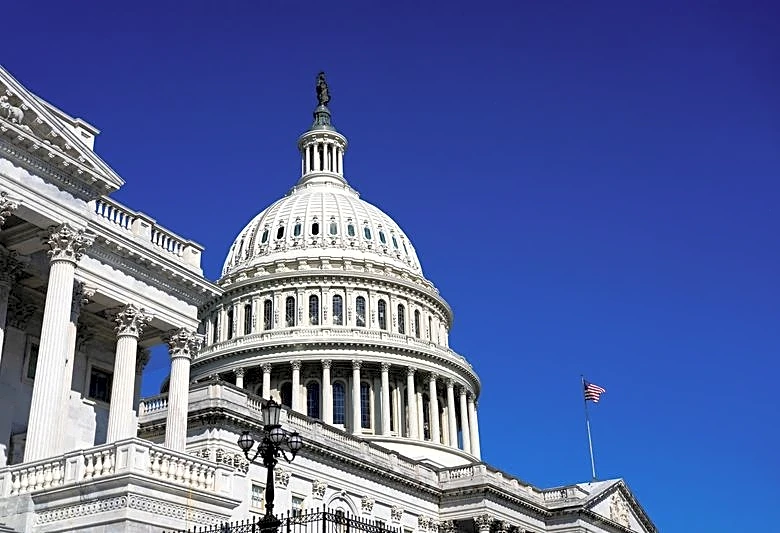
Two members of Congress, Greg Landsman of Ohio and Josh Riley of New York, have introduced the 'Drain the Swamp Act' in the House of Representatives. This legislative proposal aims to address corruption and strengthen democracy by implementing a series
of reforms. Key measures include banning the President, Vice President, members of Congress, and their immediate families from owning or trading stocks, and establishing 18-year term limits for the Supreme Court and Congress. The act also seeks to prevent abuse of the presidential pardon power, overturn Citizens United, and ban partisan gerrymandering. Additionally, it proposes suspending pay for Congress members during government shutdowns and revoking pensions for officials convicted of felonies. The legislation is a response to perceived corruption and attacks on democracy, aiming to restore trust in government.
Why It's Important?
The 'Drain the Swamp Act' is significant as it addresses widespread concerns about corruption and the influence of money in politics. By proposing measures such as banning stock trading by high-ranking officials and overturning Citizens United, the act targets the financial interests that can sway political decisions. These reforms could potentially lead to a more transparent and accountable government, reducing the influence of special interests. The act also reflects a growing demand for political accountability and integrity, which could resonate with voters who are frustrated with the current political climate. If enacted, these changes could reshape the political landscape by limiting the power of entrenched interests and promoting fairer electoral processes.
What's Next?
The introduction of the 'Drain the Swamp Act' sets the stage for potential legislative debates and discussions. The bill's progress will depend on gaining support from other members of Congress, which could be challenging given the polarized political environment. If the act gains traction, it could influence the Democratic Party's platform and strategy for upcoming elections. The response from political leaders, lobbyists, and civil society groups will be crucial in determining the bill's future. Public opinion and advocacy efforts may also play a role in shaping the discourse around these proposed reforms.