

What's Happening?
The U.S., under President Trump's administration, has set a target date of April 9 to end the ongoing conflict with Iran. This timeline allows for continued military actions and negotiations, with talks expected to occur in Pakistan. Despite these plans,
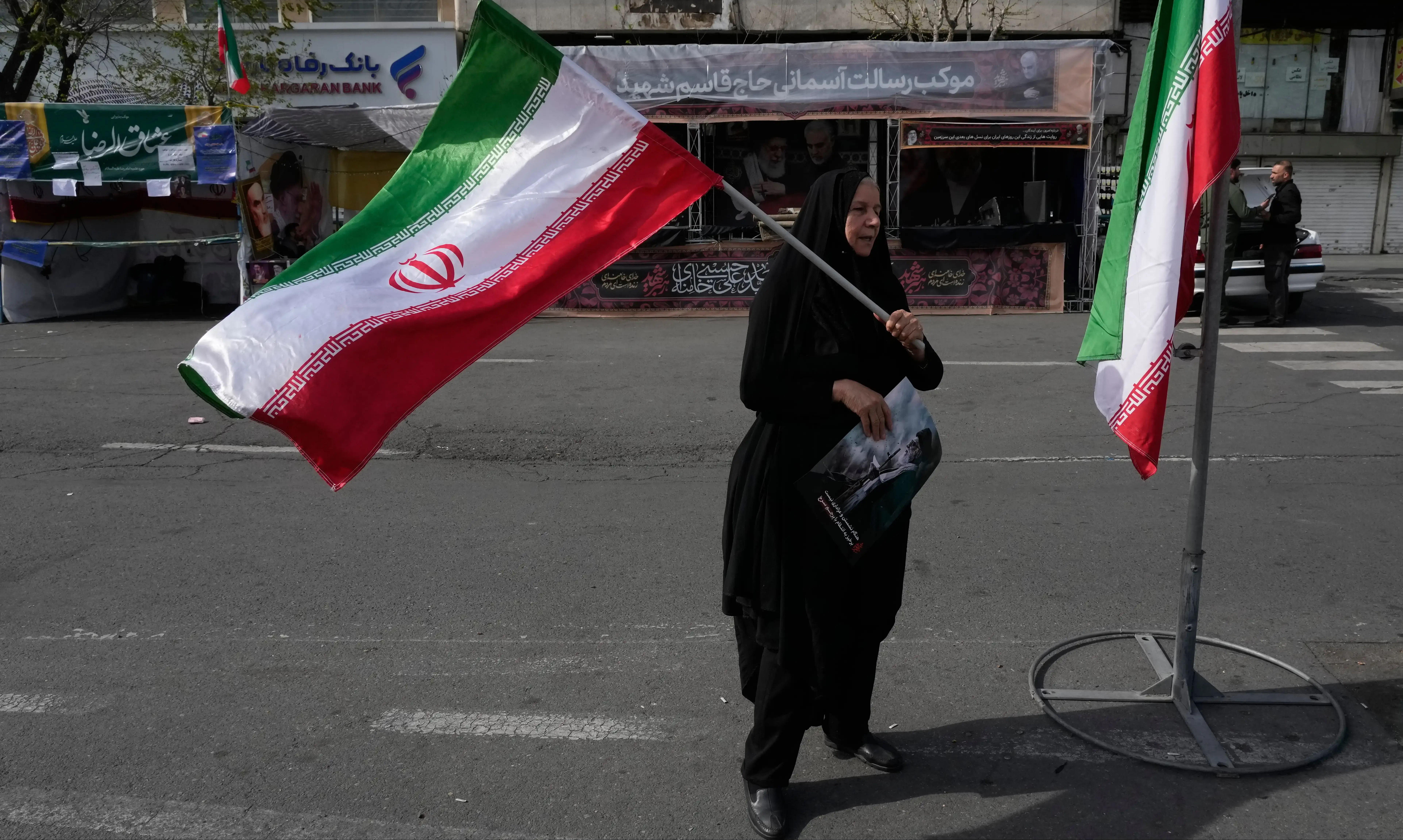
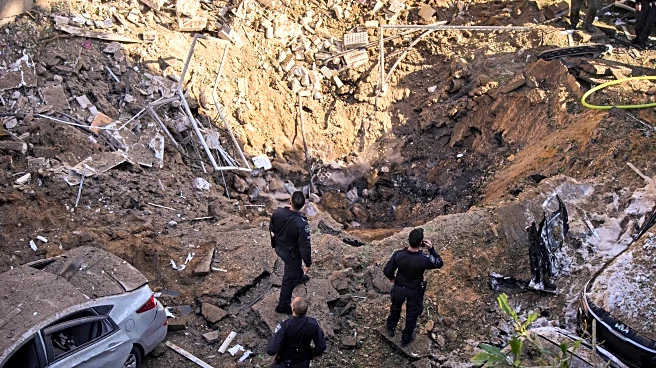
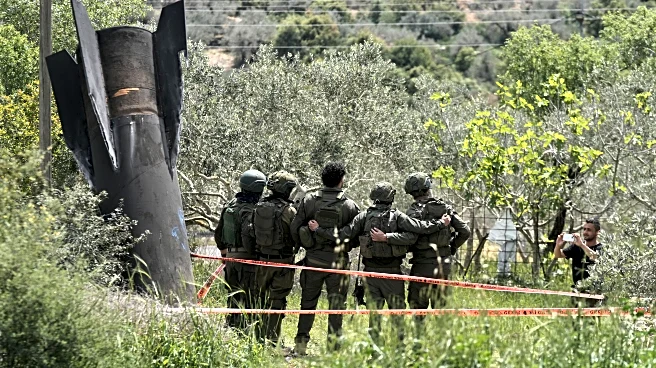
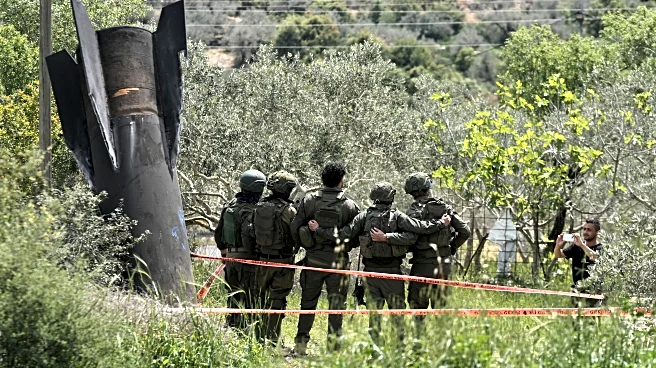
Iran's Foreign Ministry denies any negotiations with the U.S., and Iranian officials have publicly rejected the prospect of talks. The conflict has seen steady missile fire from Iran towards Israel, with Israeli forces targeting Iranian military infrastructure. The situation remains tense, with Iran preparing for potential escalations and maintaining its missile capabilities despite ongoing strikes.
Why It's Important?
The conflict between the U.S. and Iran has significant implications for regional stability and international relations. An end to hostilities by April 9 could prevent further escalation and potential broader military engagements. However, Iran's denial of negotiations and continued missile launches suggest a complex and volatile situation. The outcome of these developments could impact global oil markets, regional security, and diplomatic relations, particularly between the U.S., Iran, and Israel. The resolution of this conflict is crucial for maintaining peace and stability in the Middle East.
What's Next?
As the April 9 deadline approaches, diplomatic efforts may intensify to reach a resolution. The U.S. and its allies will need to navigate complex geopolitical dynamics to achieve a peaceful outcome. Iran's response and actions in the coming weeks will be critical in determining the conflict's trajectory. The international community will be watching closely, as the situation could influence global economic and security policies. Potential diplomatic breakthroughs or escalations will have far-reaching consequences for regional and international stakeholders.