







What's Happening?
Authorities in Grapevine, Texas, have charged a former Chick-fil-A employee, Keyshun Jones, with orchestrating a fraudulent refund scheme that allegedly cost the restaurant approximately $80,000. According to police reports, Jones, who was terminated
from his position last October, returned to the restaurant on Black Friday. He allegedly processed fake refunds for around 800 catering trays of macaroni and cheese, directing the funds to his personal credit cards. Surveillance footage reportedly captured Jones at a touchscreen register, executing the refunds while dressed in regular clothing. The franchise owner alerted detectives the day after the incident, leading to an investigation. Jones was apprehended by a multiagency fugitive task force on April 17, after evading law enforcement on several occasions. He is currently held in Tarrant County, facing charges of property theft, money laundering, and evading arrest. Chick-fil-A has stated its cooperation with the investigation but has not disclosed further details regarding Jones' dismissal or the franchise ownership.
Why It's Important?
This case highlights significant vulnerabilities in retail operations, particularly concerning internal fraud and the potential for substantial financial losses. The incident underscores the importance of robust security measures and employee monitoring systems to prevent similar fraudulent activities. For Chick-fil-A, a company known for its customer service and operational efficiency, this case could prompt a reevaluation of its internal controls and employee oversight practices. The financial impact of such frauds can be severe, affecting not only the immediate franchise but also the brand's reputation and trust with customers. Additionally, the legal consequences for Jones, if convicted, could serve as a deterrent to others considering similar fraudulent activities. The case also raises questions about the adequacy of current fraud detection systems in place at fast-food chains and other retail establishments.
What's Next?
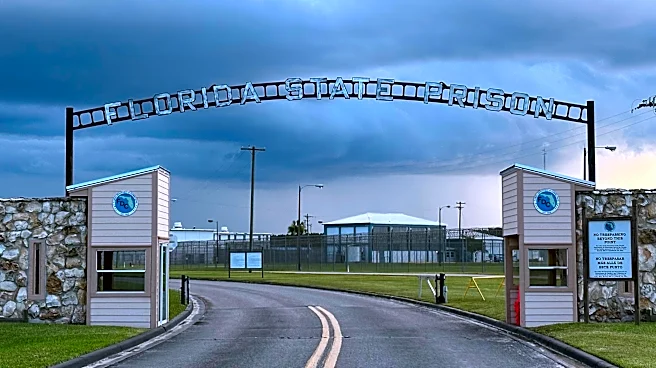
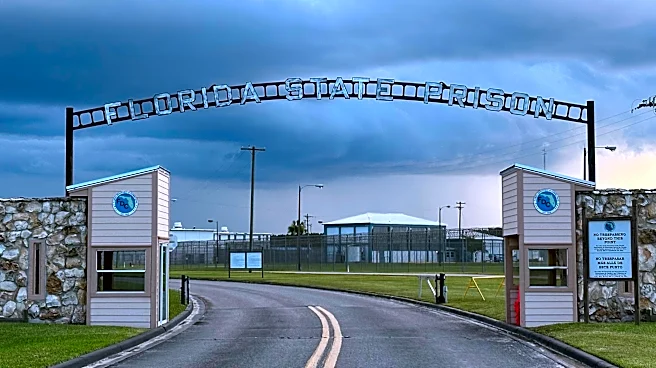
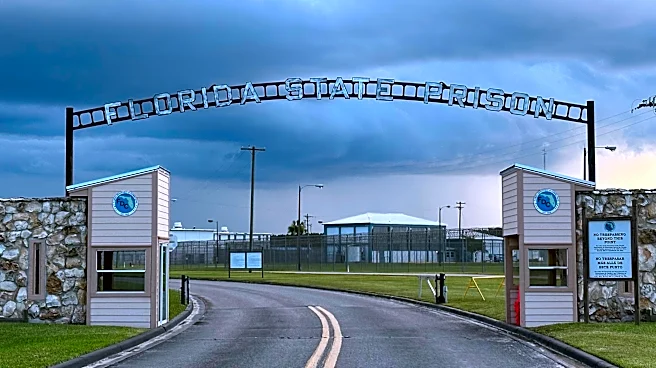
As the legal proceedings against Keyshun Jones continue, the focus will likely shift to the trial phase, where evidence such as surveillance footage and financial records will be scrutinized. If convicted, Jones could face up to 10 years in state prison. Meanwhile, Chick-fil-A may implement stricter security protocols and employee training programs to prevent future incidents. The case could also lead to broader industry discussions on enhancing fraud prevention measures and improving the security of point-of-sale systems. Stakeholders, including franchise owners and corporate management, may need to collaborate on developing more effective strategies to safeguard against internal theft and fraud.