







What's Happening?
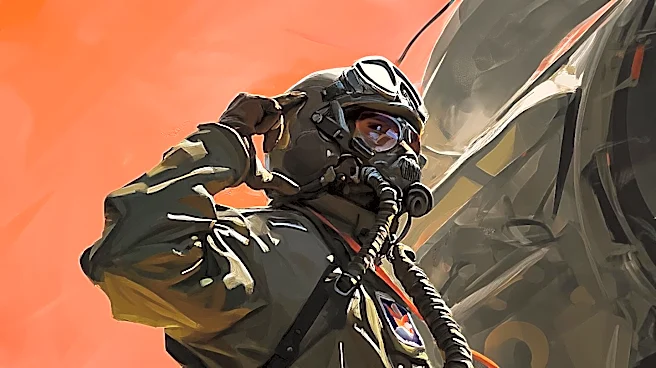
The US Air Force has been actively addressing long-standing issues with in-flight relief systems for fighter pilots, particularly for women. For decades, pilots relied on 'piddle packs,' small bags with absorbent gel, which proved difficult and dangerous
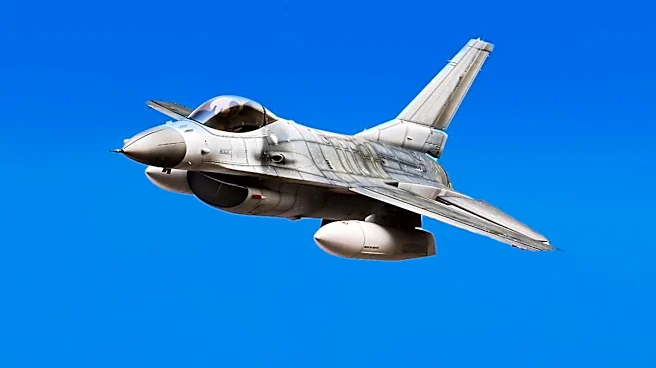
to use in cramped cockpits, especially in F-16s with their reclined seats and restrictive harnesses. This difficulty led many female pilots to resort to 'tactical dehydration,' a practice of limiting fluid intake before and during flights, which significantly reduces G-tolerance and cognitive performance. The Air Force's 2020 Sky High Relief Challenge, run by AFWERX, sought innovative solutions. This initiative led to the development and launch of the Advanced Inflight Relief Universal System (AIRUS) in January 2025 by Airion. AIRUS features multiple interface cups designed for both men and women, a larger collection bag, and dual-knit underwear, aiming to provide a more effective and safer solution for pilots.
Why It's Important?
The introduction of advanced in-flight relief systems like AIRUS is crucial for the operational effectiveness and retention of US Air Force pilots. The previous reliance on inadequate systems, particularly 'piddle packs,' posed significant safety risks, with reports linking at least nine fatal F-16 and A-10 crashes to male pilots dealing with these devices. For female pilots, the issue was compounded by equipment not designed for their anatomy, leading to 'tactical dehydration' which impairs performance and G-tolerance, directly impacting combat readiness and pilot safety. By addressing these physiological needs, the Air Force aims to improve pilot well-being, reduce health risks, and enhance overall mission capability. This initiative also plays a vital role in improving recruitment and retention rates, especially for women, by eliminating a long-standing barrier to comfortable and safe service in combat aviation roles.
What's Next?
The AIRUS system is currently being phased into the US Air Force, with new pilots in flight training receiving it first, followed by operational units. Continued feedback from pilots using the new system will be critical for further refinements and improvements. The success of AIRUS could lead to its wider adoption across various aircraft platforms and potentially influence the design of future flight suits and cockpit ergonomics. The Air Force will likely monitor the impact of the new system on pilot health, performance, and retention rates. This development also sets a precedent for future military equipment procurement, emphasizing the importance of designing gear that accommodates the diverse physiological needs of all service members, rather than relying on a 'one-size-fits-all' approach.
Beyond the Headlines
This development transcends mere equipment upgrades; it represents a significant cultural and systemic shift within the US military towards greater inclusivity and recognition of diverse physiological needs. For decades, military equipment was primarily designed for the 'median male user,' forcing others to adapt, often at personal and professional cost. The long delay in addressing this issue, despite its known impact on safety and performance, highlights institutional inertia and the challenges of advocating for minority needs within large organizations. The success of the AFWERX challenge and the subsequent deployment of AIRUS demonstrate that prioritizing the well-being and operational effectiveness of all service members, regardless of gender, is not just an ethical imperative but a strategic necessity for a modern fighting force. This initiative could inspire similar efforts in other areas of military equipment and policy.