



What's Happening?
The Chicago Public Library (CPL) has officially confirmed that the widespread, nationwide access to a digital collection of e-books and audiobooks associated with the Obama Presidential Center was entirely unintentional. This clarification comes after
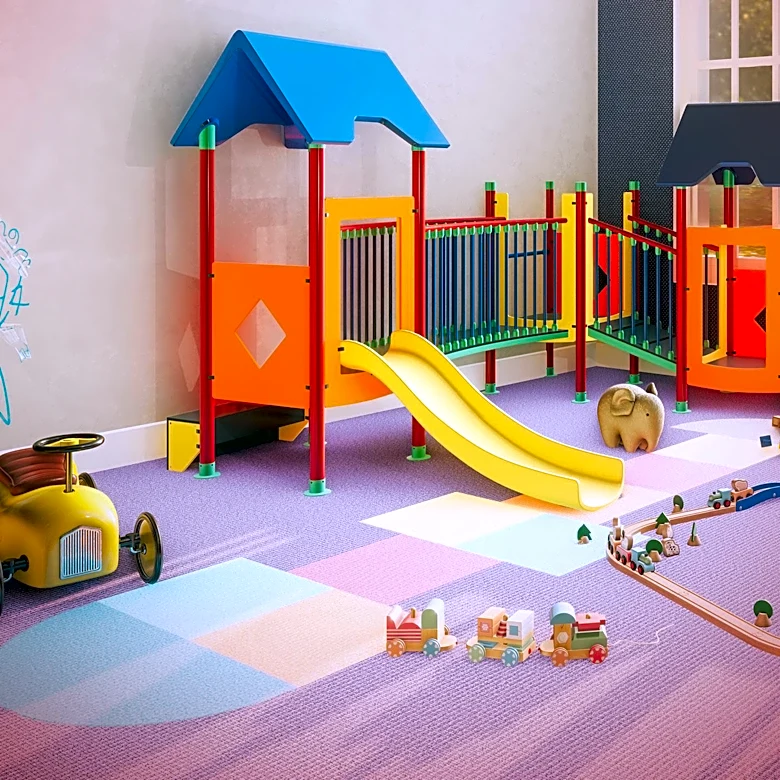
numerous social media users across the United States discovered and shared methods to access this collection through the Libby app, mistakenly referring to it as a "digital library card." Patrick Molloy, the CPL's director of government and public affairs, explicitly stated in an email to the Tribune that this access was never intended to extend beyond on-site visitors to the CPL branch located within the Obama Presidential Center. The branch, which opened on June 19, features spaces for children and book collections curated to reflect the reading preferences of the Obama family. Molloy further clarified that there isn't an actual "digital library card" for the center; rather, people were accessing a specific, limited collection of digital materials. The issue gained traction as individuals from states as far-flung as Maryland, North Carolina, and Georgia reported attempting to sign up, with some successfully gaining access while others encountered error messages. This unexpected national reach prompted the CPL to address the situation publicly, emphasizing the localized intent of the digital resources.
Why It's Important?
This incident highlights several critical issues concerning digital resource management, access control, and the pervasive influence of social media in the public sphere. For public institutions like the Chicago Public Library, it underscores the complexities involved in managing digital collections that are intended for a specific, localized audience, yet become accessible nationally due to digital sharing mechanisms. The rapid dissemination of information, even if inaccurate, through social media platforms demonstrates their immense power to mobilize public interest and action, creating unforeseen challenges for organizations. The situation also raises important questions for the CPL regarding its policies on digital access, particularly how to reconcile the goal of serving a local community with the broader implications of digital availability. It forces a reevaluation of how digital resources are provisioned and communicated to prevent unintended access and manage public expectations. Furthermore, it reflects the public's strong interest in resources connected to prominent national figures, such as former President Barack Obama, and the desire for broader access to such cultural and educational materials, showcasing a demand that transcends geographical boundaries.
What's Next?
In response to the unintentional nationwide access, the Chicago Public Library (CPL) is currently undertaking a comprehensive reevaluation of the most effective methods to sustain the digital collection in a manner consistent with its original, intended purpose. Patrick Molloy indicated that the CPL is assessing how to align the collection's availability with its initial design as a resource primarily for on-site visitors to the Obama Presidential Center's library branch. As of now, the specific consequences for individuals who unintentionally gained access to the collection from outside Chicago remain unclear, as CPL spokespeople have not provided further details on what will happen to their existing access or if any measures will be taken to revoke it. A spokesperson for the Obama Foundation has deferred all inquiries regarding this matter to the Chicago Public Library, indicating that the CPL is the primary entity responsible for resolving the issue and formulating a path forward. This ongoing reevaluation suggests that changes to the access protocols or the nature of the digital collection itself may be implemented in the near future to ensure compliance with the library's original intent and to prevent similar incidents of unintended widespread access, potentially impacting users nationwide.
Beyond the Headlines
This situation extends beyond a simple technical glitch, touching upon deeper implications regarding the evolving role of public libraries in the digital age and the delicate balance between local service and global reach. It highlights the inherent tension when physical institutions, traditionally designed to serve a specific geographic community, attempt to integrate digital resources that inherently possess borderless accessibility. The incident prompts a broader discussion about digital equity and access, as the public's enthusiastic response to the perceived "digital library card" suggests a significant, unmet demand for easily accessible, high-quality digital content, especially when associated with culturally significant institutions or figures. Furthermore, it underscores the ethical and practical challenges faced by libraries in managing intellectual property and licensing agreements for digital content, particularly when unintended access occurs on a national scale. This event could influence future policy decisions for public libraries nationwide, encouraging them to develop more robust strategies for digital content distribution, user authentication, and clear communication regarding access limitations, thereby shaping the future landscape of public digital library services and their interaction with a digitally connected populace.