




What's Happening?
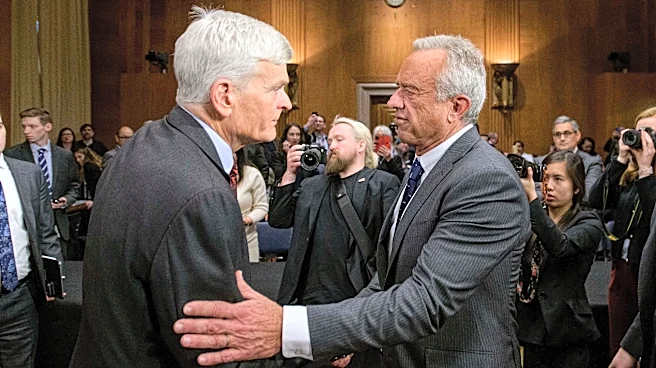
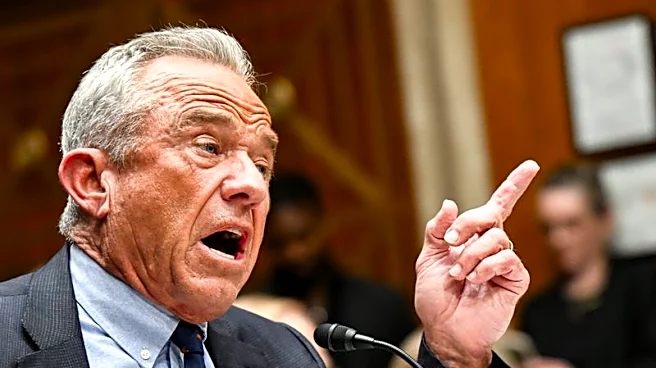
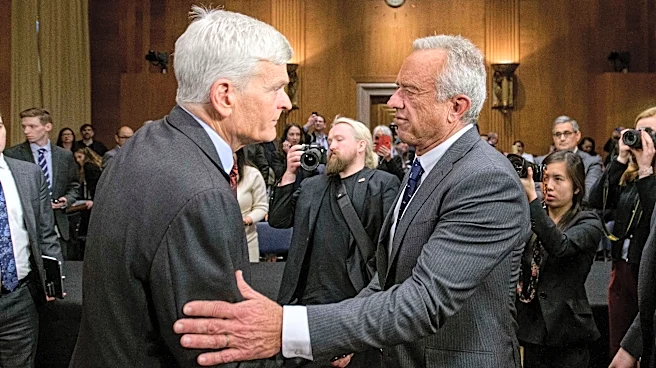
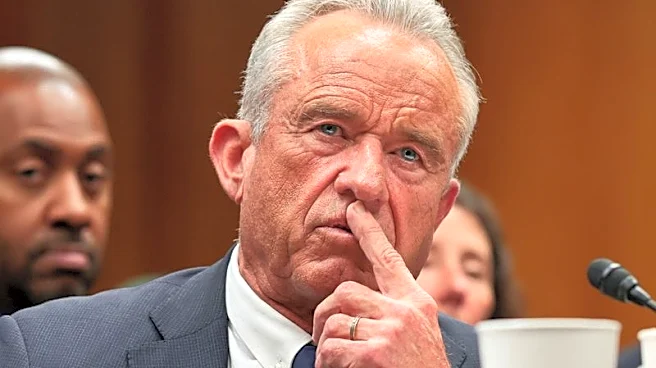
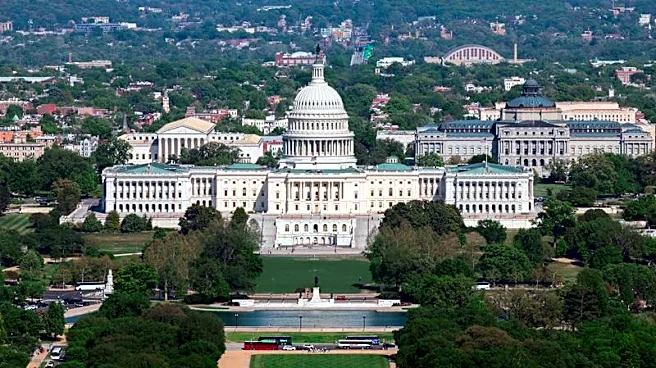
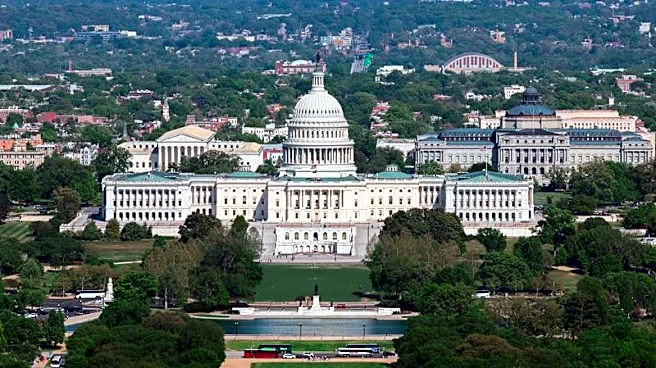
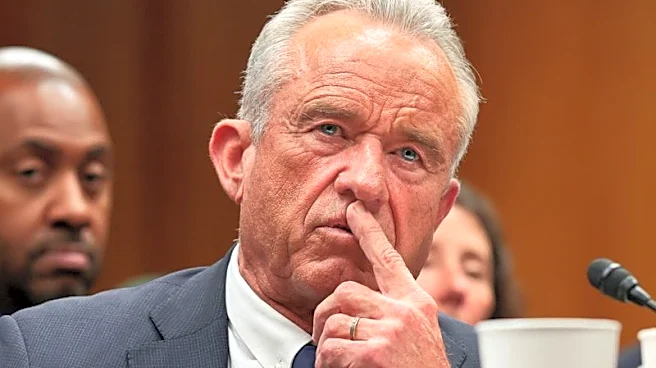
Health Secretary Robert F. Kennedy Jr. recently concluded a series of congressional hearings where he defended President Trump's proposed 2027 budget, which includes significant cuts to the Department of Health and Human Services (HHS). The budget proposes
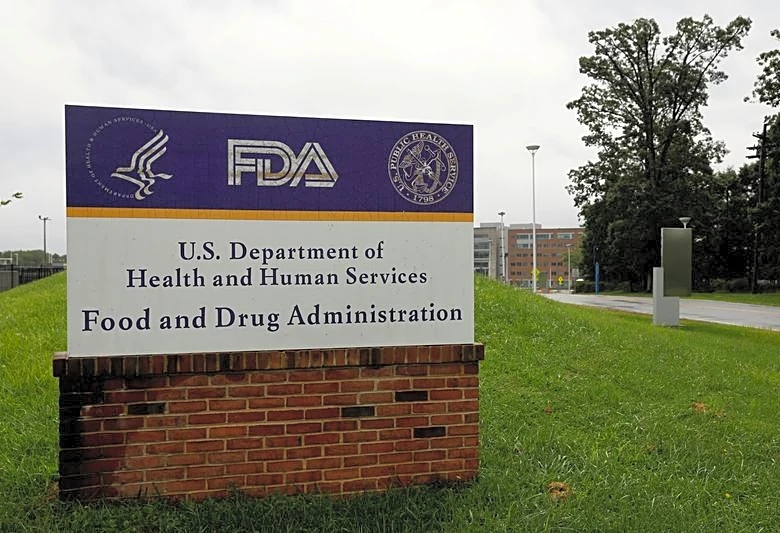
a 12% reduction in HHS funding, which Kennedy argued is necessary to address the federal deficit. During the hearings, Kennedy faced criticism from lawmakers about the impact of these cuts on public health programs and research. He also addressed concerns about declining vaccination rates and measles outbreaks, attributing the decline to a loss of public trust in government health recommendations during the COVID-19 pandemic. Kennedy, who has a history of anti-vaccine advocacy, denied responsibility for the decline in vaccination rates, emphasizing his commitment to restoring public trust.
Why It's Important?
The proposed budget cuts to HHS could have significant implications for public health in the U.S., potentially affecting funding for critical health programs and research initiatives. The reduction in vaccination rates and the resurgence of measles pose public health risks, highlighting the importance of maintaining trust in health agencies. The hearings underscore the ongoing political debate over healthcare funding and the balance between fiscal responsibility and public health needs. The outcome of these budget discussions could impact healthcare affordability and access, affecting millions of Americans who rely on government-supported health services.
What's Next?
As the budget proposal moves through Congress, further debates and negotiations are expected. Lawmakers from both parties will likely continue to scrutinize the proposed cuts and their potential impact on public health. The administration may need to provide additional details and justifications for the budget decisions, particularly concerning Medicaid and other essential health services. Public and political pressure could influence potential revisions to the budget, especially if public health outcomes are perceived to be at risk.