






What's Happening?
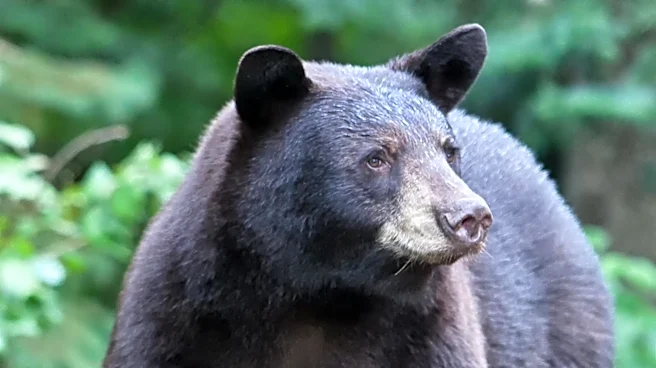
Oregon wildlife officials are urging residents and visitors, particularly along the coast, to secure food attractants as black bears enter their annual feeding season, known as hyperphagia, earlier than usual. This period, where bears forage for up to 20
hours a day to build fat reserves for winter, has been accelerated by a poor mountain berry crop in Western Oregon. The Oregon Department of Fish and Wildlife (ODFW) emphasizes that bears can detect food from miles away and have strong memories, often returning to locations where they previously found food. Unsecured trash is a primary reason bears are drawn into residential areas. Feeding bears, whether intentionally or accidentally, is illegal in Oregon under ORS 496.730 and teaches them to associate humans with food, creating potential safety concerns. ODFW recommends following BearWise practices, including securing trash cans with locking lids, storing compost bins in enclosed areas, and taking trash out immediately before pickup.
Why It's Important?
This advisory is crucial for public safety and wildlife conservation in Oregon. The early onset of hyperphagia, driven by environmental factors like a poor berry crop, increases the likelihood of human-bear conflicts. When bears become habituated to human food sources, they can become bolder, posing risks to people and pets. This situation highlights the delicate balance between human development and wildlife habitats, especially in coastal and forested regions where bear populations are concentrated. Property managers and vacation rental operators play a significant role in mitigating these risks by providing bear-resistant containers and educating guests. Failure to manage food attractants can lead to bears being euthanized, underscoring the importance of preventative measures to protect both the community and the state's black bear population.
What's Next?
Oregon wildlife officials will continue to monitor bear activity and provide guidance to the public. Residents and visitors are expected to implement BearWise practices, such as securing garbage, pet food, and bird feeders, and cleaning barbecue grills after use. ODFW also advises alerting neighbors to unusual bear behavior, such as repeated daytime sightings or bears showing little fear of people. For those with backyard chickens, reviewing BearWise guidance for raising poultry in bear country is recommended. Any human safety concerns or reports of aggressive bear behavior should be directed to the Oregon State Police, while other bear-human conflicts can be reported to local ODFW district offices. The success of these measures will depend on widespread public cooperation to minimize attractants and prevent further habituation of bears to human environments.
Beyond the Headlines
The increased interaction between humans and bears due to environmental shifts like poor berry crops points to broader ecological implications. Climate change and habitat encroachment can disrupt natural food cycles, forcing wildlife into closer proximity with human settlements. This situation in Oregon serves as a microcosm of a larger challenge faced by many states with significant wildlife populations. It underscores the need for long-term strategies that integrate urban planning with wildlife management, promoting coexistence rather than conflict. The passing down of knowledge about reliable food sources from female bears to their cubs also highlights the generational impact of human actions on wildlife behavior, making early intervention and consistent public education vital for sustainable wildlife management.