






What's Happening?
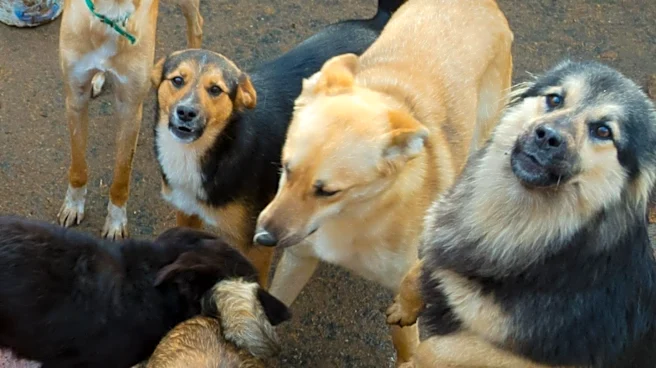
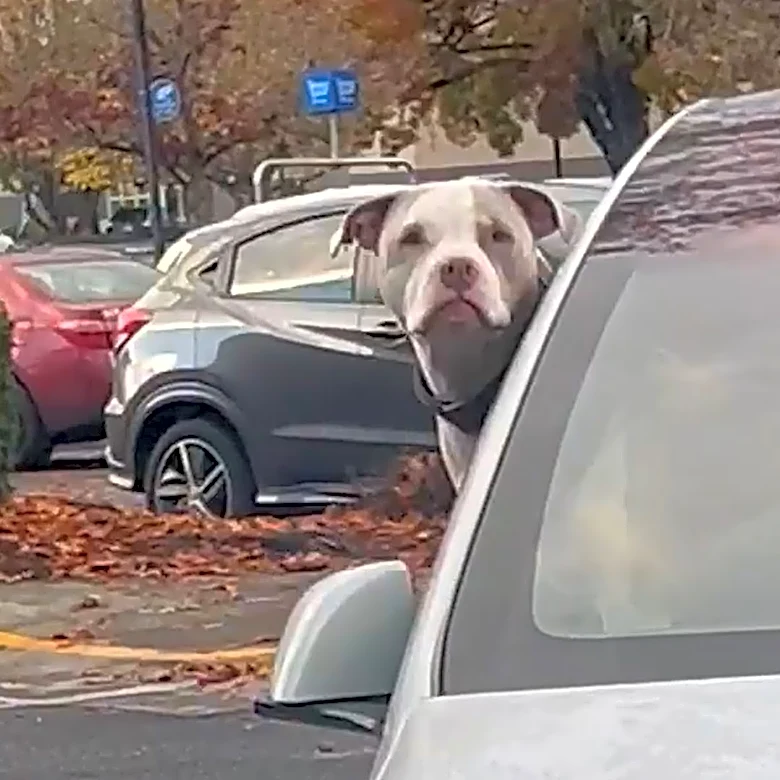
Animal shelters and rescue organizations across New York are reporting a significant increase in abandoned dogs, particularly large-breed dogs like pit bulls, leading to overcrowded facilities. This crisis is unfolding ahead of the holiday season, with
rescuers like Agnes Reichert from Second Chance Rescue highlighting cases of severe neglect, including dogs found emaciated and in need of emergency medical treatment. The trend is believed to be linked to broader economic pressures, such as rising costs of housing, food, and veterinary care, making it difficult for pet owners to retain their animals. While state and city laws implemented last year banned the sale of dogs and cats in pet stores and aimed to curb commercial puppy mills and backyard breeding, animal advocates emphasize the need for more effective enforcement of these regulations. They are also calling for increased resources for animal cruelty investigations and enhanced training for law enforcement officers, as all such cases are currently handled by the NYPD. In response to these challenges, New York City allocated $500,000 in October for a program providing free dog and cat food through 22 city-funded food pantries.
Why It's Important?
This surge in abandoned animals and the resulting strain on New York's animal welfare infrastructure underscore a critical societal issue with significant implications. The economic factors cited by rescue organizations, such as the rising cost of living, reflect broader financial challenges impacting U.S. households, forcing difficult decisions for pet owners. The effectiveness of recently enacted laws banning pet store sales and targeting commercial breeding operations is also under scrutiny, highlighting the ongoing struggle to regulate and enforce animal welfare standards. If not adequately addressed, the overcrowding in shelters could lead to increased euthanasia rates, further burdening non-profit organizations and local governments. Moreover, the call for more resources for animal cruelty investigations points to potential gaps in public safety and law enforcement, as animal abuse is often linked to other forms of violence. The city's initiative to provide free pet food, while a positive step, indicates the scale of the problem and the need for comprehensive solutions to support pet ownership and prevent abandonment.
What's Next?
Animal advocates and rescue organizations are expected to continue lobbying lawmakers and city leaders for additional resources and legislative changes to strengthen animal cruelty investigations and enforcement. The effectiveness of the $500,000 program providing free pet food will likely be monitored to assess its impact on reducing abandonment rates. There may be further discussions and initiatives aimed at supporting pet owners facing economic hardship, potentially including expanded access to affordable veterinary care or temporary housing solutions for pets. The enforcement of existing laws against commercial puppy mills and backyard breeding operations will remain a key focus, with calls for stronger oversight to prevent neglect. The ongoing crisis could also prompt public awareness campaigns about responsible pet ownership and the importance of adoption from shelters, especially as the holiday season approaches, a period often associated with increased pet acquisitions and subsequent abandonments.
Beyond the Headlines
The growing crisis of abandoned pets in New York reveals deeper societal trends beyond immediate economic pressures. It highlights the evolving relationship between humans and companion animals, where pets are often considered family members, yet their welfare can be severely impacted by economic downturns or inadequate support systems. The emphasis on enforcing laws against commercial breeding operations also touches upon ethical considerations surrounding animal sourcing and the pet industry's responsibility. Furthermore, the strain on rescue organizations, largely reliant on volunteers and donations, points to the critical role of civil society in addressing public welfare issues that government resources may not fully cover. This situation could also spark broader conversations about urban planning and community support systems that integrate pet ownership into the fabric of city life, ensuring that pet owners have the necessary resources to care for their animals even during challenging times, thereby fostering a more compassionate and responsible society.