






What's Happening?
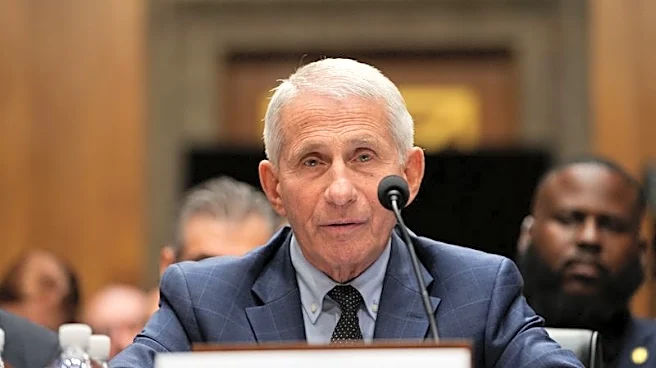
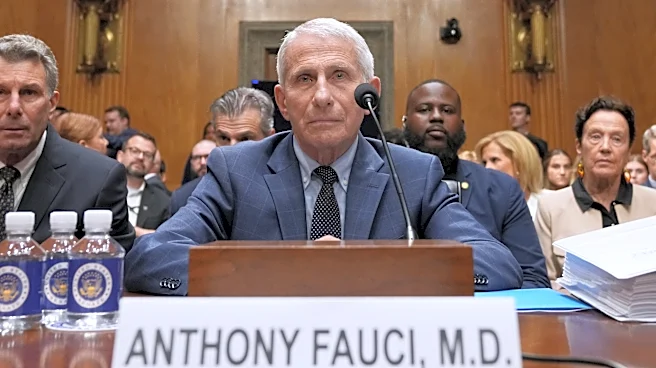
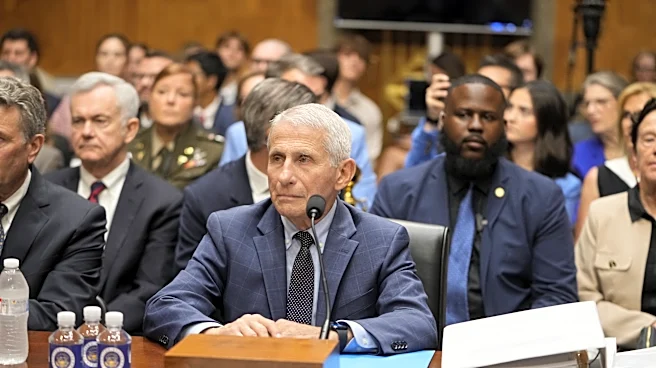
Anthony Fauci appeared before the Senate Homeland Security and Governmental Affairs Committee, chaired by Sen. Rand Paul, under subpoena. Fauci invoked his Fifth Amendment right against self-incrimination, declining to answer questions. The hearing, which
focused on the government's response to the COVID-19 pandemic, has been criticized as political persecution rather than a genuine effort to learn from past failures. Fauci's decision to invoke the Fifth Amendment has been interpreted by some as an admission of guilt, though it is a legal right to protect against self-incrimination.
Why It's Important?
The scrutiny of Fauci highlights the ongoing political tensions surrounding the handling of the COVID-19 pandemic. The situation raises concerns about the potential impact on scientific integrity and the willingness of experts to provide candid advice in future public health crises. The perception of political persecution could deter qualified individuals from public service roles, fearing similar treatment if their professional judgments conflict with political agendas.
Beyond the Headlines
The broader implications of this hearing extend to the relationship between science and politics. The potential chilling effect on scientific discourse and public health policy could hinder effective responses to future pandemics. Ensuring that experts can operate without fear of political retribution is crucial for maintaining public trust and advancing scientific understanding.