



What's Happening?
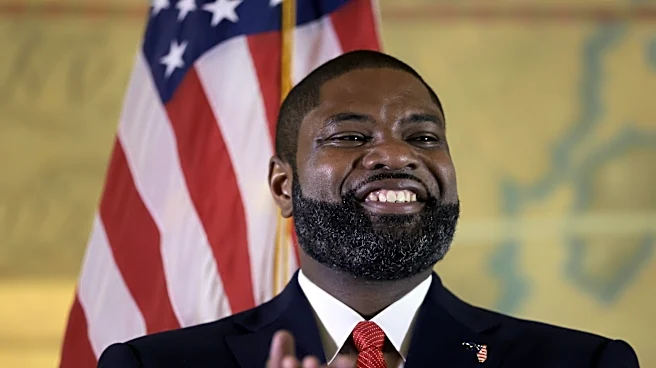
Florida's Governor-elect Byron Donalds is being called upon by conservationists to make environmental preservation a cornerstone of his governorship. Joe Murphy, a native Floridian, nature writer, and conservationist, penned an open letter emphasizing
that Florida's ecological future is at a critical juncture due to rapid population growth and development. Murphy urges Donalds to lead efforts in acquiring and managing lands for conservation, fully funding programs like Florida Forever, and enhancing state parks. The letter highlights the intertwined relationship between Florida's environment and its economy, stressing that a healthy environment provides essential services such as clean air and water, flood control, thriving fisheries, and supports the state's vital tourism industry. Murphy also calls for the Governor-elect to embrace scientific foundations for policy decisions, particularly concerning adaptation and resiliency in the face of climate change and sea-level rise. The appeal underscores the need for strong leadership to protect Florida's natural heritage for future generations.
Why It's Important?
This call to action for Governor-elect Donalds is significant because Florida faces immense environmental pressures from ongoing development and population growth. The state's unique ecosystems, including its coastlines, wetlands, and diverse wildlife, are under threat, impacting both ecological health and economic stability. Prioritizing conservation could safeguard Florida's natural resources, which are crucial for its tourism industry, a major economic driver. A strong stance on environmental protection could also mitigate the impacts of climate change, such as increased flooding and more severe natural disasters, which directly affect residents and infrastructure. Conversely, a lack of focus on conservation could lead to irreversible environmental degradation, economic losses, and a diminished quality of life for Floridians. The decisions made by Governor-elect Donalds will determine whether Florida's natural heritage is preserved or lost to unchecked development, affecting future generations and the state's long-term prosperity.
What's Next?
Governor-elect Donalds will face immediate decisions regarding environmental policy and funding as he transitions into office. Conservation advocates and the public will likely monitor his initial actions and budget proposals closely to see if he aligns with the calls for increased environmental protection. Key next steps could include his administration's stance on land acquisition programs like Florida Forever, the allocation of resources to state parks, and appointments to environmental regulatory bodies such as the Florida Fish and Wildlife Conservation Commission (FWC). Stakeholders will be looking for concrete commitments to science-based policy decisions and strategies for climate adaptation. The Governor-elect's response to these conservation demands will set the tone for his environmental legacy and could influence legislative priorities in the upcoming sessions, potentially leading to new conservation initiatives or continued debates over development versus preservation.
Beyond the Headlines
The debate over conservation in Florida extends beyond immediate policy decisions, touching upon deeper ethical and cultural dimensions. The call to preserve Florida's natural heritage reflects a growing public awareness of environmental stewardship and the intrinsic value of natural landscapes. It highlights a tension between economic development, often driven by rapid population growth, and the long-term sustainability of the state's unique environment. Ethically, the issue raises questions about intergenerational equity—the responsibility of current leaders to protect resources for future generations. Culturally, Florida's identity is deeply intertwined with its natural beauty, making conservation a matter of preserving the state's essence. The outcome of Governor-elect Donalds' approach could trigger long-term shifts in how Florida balances growth with environmental protection, potentially influencing land use planning, infrastructure development, and public engagement in environmental issues for decades to come.