






What's Happening?
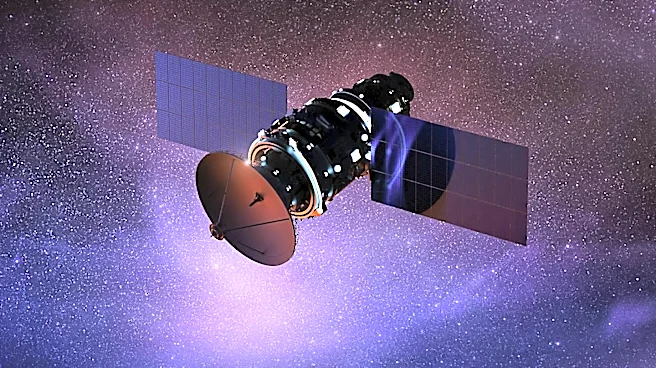
NASA is preparing for a groundbreaking mission involving the LINK spacecraft, designed to elevate the orbit of the Neil Gehrels Swift Observatory. Scheduled for launch from Kwajalein Atoll, the mission will use a Northrop Grumman Pegasus XL rocket. LINK,
developed by Katalyst Space, will attempt to rendezvous with and raise the Swift Observatory's altitude, preventing its re-entry into Earth's atmosphere. This mission marks the first commercial robotic attempt to service a NASA spacecraft not originally designed for in-space servicing.
Why It's Important?
This mission represents a significant advancement in space technology, showcasing the potential for commercial entities to extend the operational life of existing satellites. Successful execution could pave the way for future missions that enhance the sustainability of space assets, reducing the need for new satellite launches. This could lead to cost savings and environmental benefits by minimizing space debris. The mission also highlights the growing role of private companies in supporting NASA's objectives, potentially accelerating innovation in space exploration.
What's Next?
If LINK successfully elevates the Swift Observatory, it could set a precedent for future satellite servicing missions. This success may encourage further collaboration between NASA and private companies, fostering innovation in satellite maintenance and repair. The mission's outcome will be closely monitored by the space industry, as it could influence future strategies for satellite lifecycle management and the development of new servicing technologies.