
What's Happening?
Ukrainian President Volodymyr Zelensky has extended an open invitation to Russian President Vladimir Putin for a face-to-face meeting to negotiate an end to the ongoing war, which has entered its fifth
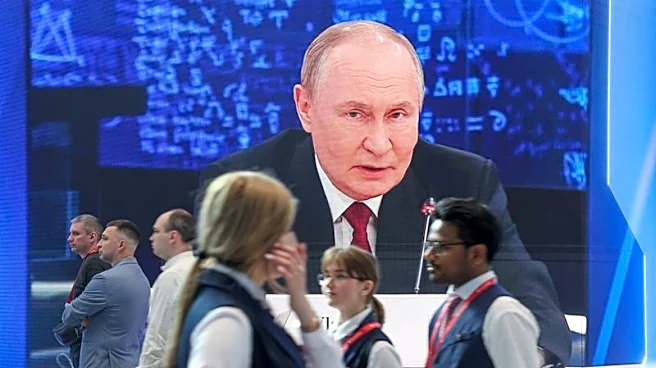
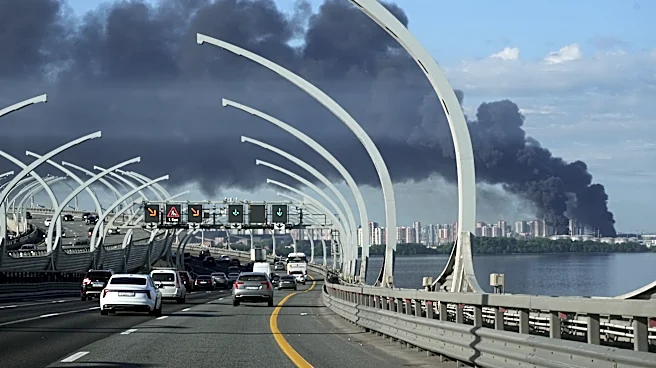
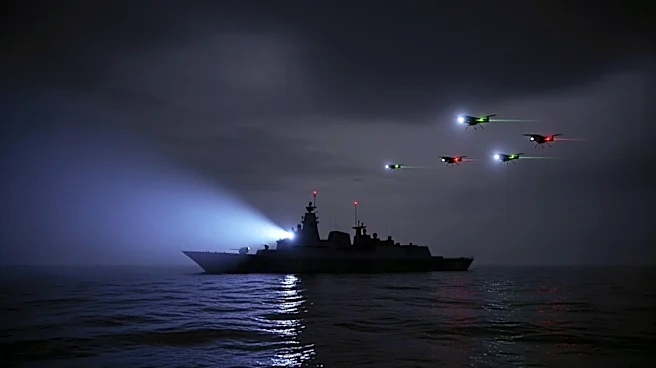
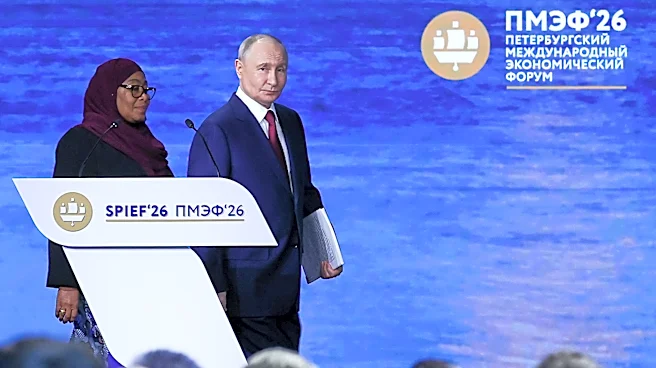
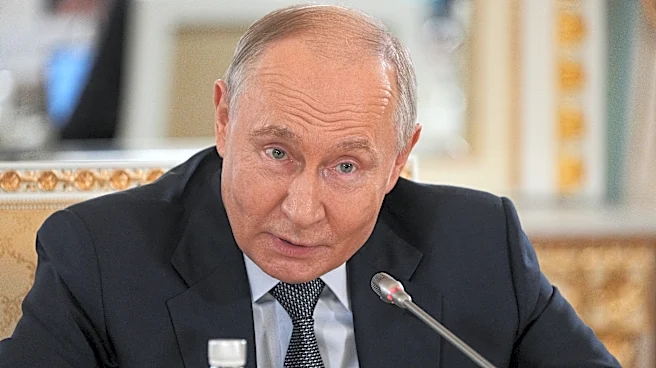
year. Zelensky's proposal comes as Ukraine demonstrates its military capabilities by striking deep into Russian territory, including a recent drone attack on St. Petersburg. In his letter, Zelensky suggests neutral locations such as Switzerland, Turkey, or an Arab country for the meeting and emphasizes Ukraine's readiness for a full ceasefire during negotiations. He highlights the growing fatigue among Russians towards the war and suggests that Putin's hold on power may be weakening. Meanwhile, Putin maintains that Russian forces are advancing and insists on assurances from previous discussions with President Trump as part of any agreement.
Why It's Important?
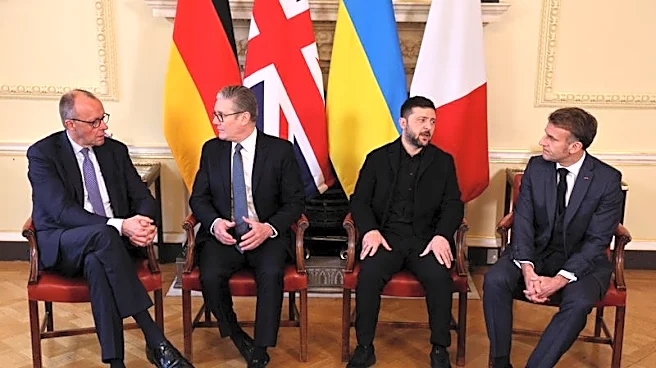
The proposal for direct negotiations between Ukraine and Russia marks a significant potential shift in the conflict's dynamics. If successful, it could lead to a de-escalation of hostilities and a reduction in military and civilian casualties. The ongoing war has had substantial geopolitical implications, affecting global energy markets and international relations. A ceasefire and subsequent peace talks could stabilize the region and potentially lead to the lifting of economic sanctions on Russia, impacting global trade. However, the success of such negotiations depends on the willingness of both parties to compromise and the influence of international stakeholders, including the United States and European nations, who have vested interests in the conflict's outcome.
What's Next?
The next steps involve whether Putin will respond positively to Zelensky's invitation for talks. The international community, particularly Western allies, may play a crucial role in facilitating or mediating these discussions. Additionally, the U.S. House of Representatives has passed a bill to provide further military and reconstruction aid to Ukraine, which could influence the negotiation dynamics. The outcome of these potential talks could also affect future U.S. foreign policy and military commitments in Eastern Europe. Observers will be watching for any official response from the Kremlin and potential shifts in military strategies on both sides.