





What's Happening?
The National Institute of Food and Agriculture (NIAA) is conducting Animal Agriculture Leadership Training as part of the Food and Agricultural Sciences National Needs Graduate and Postgraduate Fellowships program. This initiative aims to cultivate a new
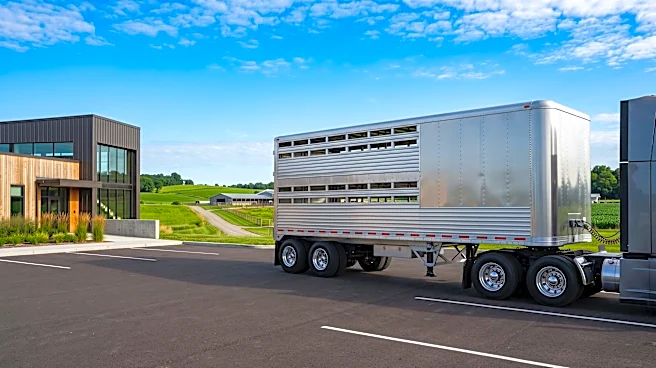
generation of highly skilled domestic agricultural students. The program's core objective is to equip these students with specialized knowledge and abilities that will enable them to significantly contribute to the mission of the U.S. Department of Agriculture (USDA). The training specifically emphasizes critical areas within animal agriculture, including farm animal behavior and the characteristics of livestock trucks. By focusing on these practical and scientific aspects, the program seeks to enhance safety and health standards across the agricultural sector. The fellowships are designed to address national needs by ensuring a robust pipeline of expertise in vital agricultural fields, thereby supporting the long-term sustainability and efficiency of U.S. animal agriculture.
Why It's Important?
This training program is crucial for the U.S. agricultural industry as it directly addresses the need for specialized expertise in animal agriculture. By increasing the number of highly trained domestic students, the program helps to secure a skilled workforce capable of tackling complex challenges in farm animal welfare, logistics, and overall agricultural health and safety. This investment in human capital is vital for maintaining and improving the competitiveness and ethical standards of U.S. livestock production. Enhanced understanding of farm animal behavior can lead to more humane treatment and better productivity, while knowledge of livestock truck characteristics can improve animal welfare during transport and reduce economic losses due to stress or injury. Ultimately, this initiative supports the USDA's mission to ensure a safe, sustainable, and abundant food supply for the nation, benefiting consumers, producers, and the broader economy by fostering innovation and best practices in animal agriculture.
What's Next?
The ongoing implementation of the Food and Agricultural Sciences National Needs Graduate and Postgraduate Fellowships program will continue to identify and train future leaders in animal agriculture. The fellows, upon completion of their training, are expected to integrate into various roles within the agricultural sector, including research, policy development, and industry leadership, directly contributing to the USDA's objectives. The program's focus on specific areas like farm animal behavior and livestock truck characteristics suggests a continued emphasis on practical, applied knowledge that can be immediately utilized to improve industry standards. Future developments may include expanding the scope of training to other critical areas within animal agriculture or increasing the number of fellowships offered to meet growing demands for specialized expertise. The success of these fellows will likely be measured by their contributions to agricultural science, policy, and industry practices, ultimately shaping the future trajectory of U.S. animal agriculture.
Beyond the Headlines
Beyond the immediate benefits of a skilled workforce, this program has deeper implications for the ethical and societal dimensions of animal agriculture. By emphasizing farm animal behavior, the training promotes a more nuanced understanding of animal welfare, potentially leading to more humane and sustainable farming practices. This focus can influence public perception of animal agriculture, fostering greater trust and acceptance among consumers who are increasingly concerned about animal well-being. Furthermore, the expertise in livestock truck characteristics highlights the often-overlooked logistical and ethical challenges of animal transport, which can have significant impacts on animal health and product quality. The program's commitment to developing domestic talent also reinforces national food security and agricultural independence, reducing reliance on external expertise. This initiative represents a strategic investment not just in agricultural science, but in the broader societal values of ethical animal treatment and sustainable food systems.