








What's Happening?
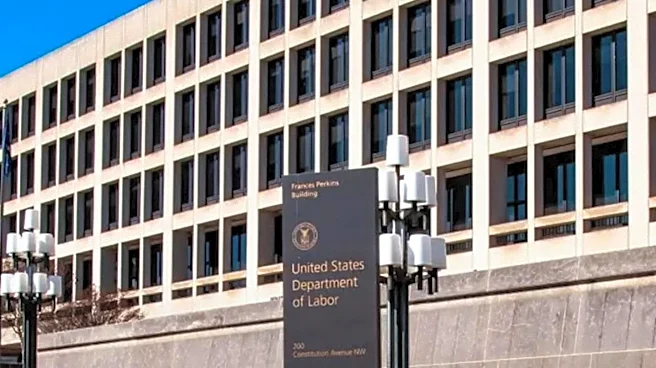
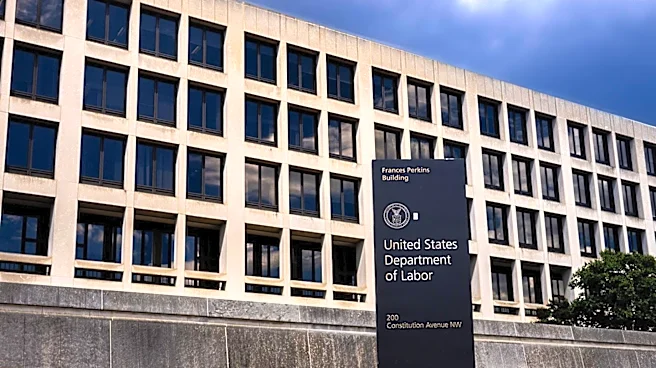
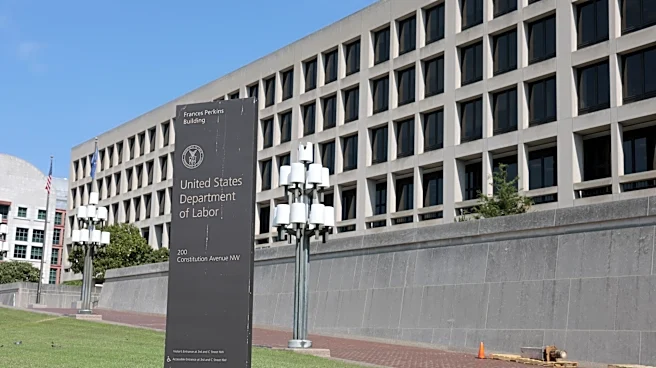
The Department of Labor (DOL) has issued an enforcement alert concerning the accuracy of health plans' physician directories, highlighting widespread errors that hinder beneficiaries' access to covered care. Research indicates that an average of 36% of providers
have incorrect information listed in these directories. Federal laws, including the Employment Retirement Income Security Act (ERISA), the Affordable Care Act (ACA), and the No Surprises Act, mandate that employers maintain accurate provider directories. Despite these requirements, patients have filed numerous class-action lawsuits, accusing health plans of maintaining 'ghost networks'—directories with outdated or incorrect information—leading to increased costs and delays in accessing necessary medical services. The DOL's guidance emphasizes the shared responsibility of both healthcare providers and health plan/insurance providers in ensuring the accuracy of directory information and outlines best practices to support compliance with the law.
Why It's Important?
This enforcement alert is crucial for millions of Americans who rely on health plan directories to find in-network providers. Inaccurate directories can lead to unexpected out-of-network charges, delays in care, and significant financial burdens for patients, undermining the protections intended by laws like the No Surprises Act. For health plans and insurance providers, the alert signals increased scrutiny and potential enforcement actions from the DOL, compelling them to invest more in maintaining accurate and up-to-date provider information. Healthcare providers also bear responsibility, as their cooperation is essential for ensuring the accuracy of their listings. The issue of 'ghost networks' has been a persistent problem, and this alert indicates a renewed federal focus on consumer protection in healthcare, aiming to improve transparency and access to care while reducing unexpected costs for beneficiaries.
What's Next?
Following this enforcement alert, health plans and insurance providers are expected to enhance their efforts to ensure the accuracy of their physician directories. This will likely involve more rigorous data verification processes, regular updates, and improved communication with healthcare providers. The DOL may initiate investigations or take enforcement actions against plans found to be non-compliant, potentially resulting in penalties or corrective actions. Healthcare providers will also need to be more proactive in updating their information with health plans to avoid being listed inaccurately. Patients who encounter inaccurate directory information may have stronger grounds for complaints or legal action, as the DOL's alert underscores the legal obligations of health plans. This could lead to a reduction in 'ghost networks' and a more reliable system for patients seeking in-network care.
Beyond the Headlines
The issue of inaccurate provider directories highlights a systemic challenge within the U.S. healthcare system, where the complexity of insurance networks often creates barriers to care. Beyond the immediate financial implications for patients, 'ghost networks' can erode trust in health insurance providers and the healthcare system as a whole. This enforcement alert also touches on the broader ethical responsibility of health plans to provide transparent and reliable information to their members. The emphasis on shared responsibility between plans and providers suggests a collaborative approach is needed to solve this problem, rather than placing the burden solely on one party. Ultimately, improving directory accuracy is not just a matter of compliance but a critical step towards ensuring equitable access to healthcare and upholding the spirit of patient protection laws.