
What's Happening?
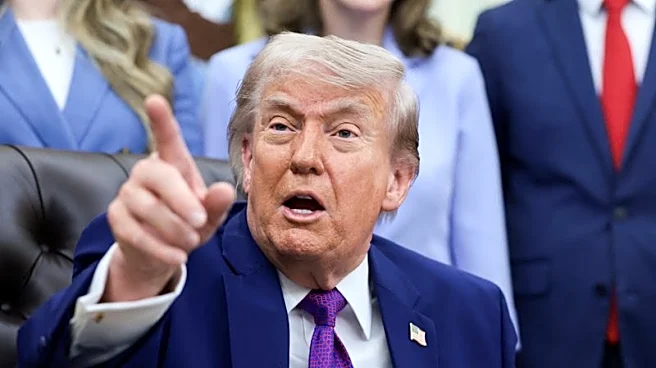
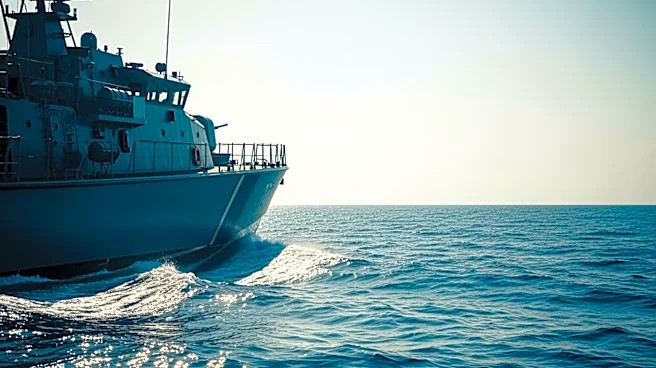
The U.S. military has conducted boat strikes in the Caribbean and Eastern Pacific, resulting in over 200 deaths in the past nine months. These actions, initiated during President Trump's administration,
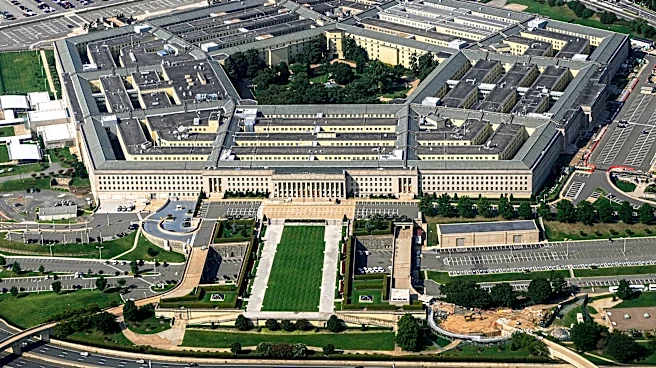
are viewed by legal experts as potentially illegal military orders. Despite the lack of evidence linking the targeted boats to drug trafficking, the strikes continue under the justification of combating narco-trafficking. Some service members have sought legal advice regarding the legality of these orders, while others fear repercussions for refusing to comply. The Pentagon maintains that all operations are conducted lawfully, in compliance with U.S. and international law.
Why It's Important?
The boat strikes highlight significant legal and ethical issues within U.S. military operations, particularly concerning the use of force and adherence to international law. The lack of transparency and accountability in these operations raises questions about the legality of targeting suspected drug traffickers without concrete evidence. This situation poses a moral dilemma for service members, who are legally obligated to refuse unlawful orders. The ongoing strikes could damage the U.S.'s international reputation and undermine trust in its commitment to human rights and the rule of law.
What's Next?
The controversy surrounding the boat strikes may lead to increased scrutiny from lawmakers and human rights organizations. Legal challenges and calls for greater transparency and accountability in military operations are likely to intensify. The Biden administration may face pressure to review and potentially revise the policies governing the use of force in counter-narcotics operations. Additionally, the situation could prompt discussions on the need for clearer guidelines and oversight mechanisms to prevent potential abuses of power in military engagements.