


What's Happening?
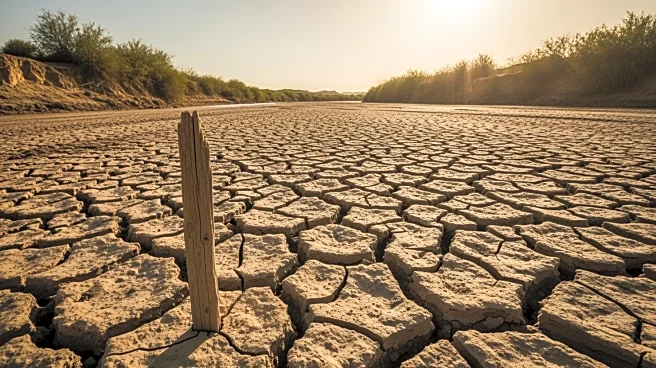
A recent field-level assessment by the agriculture department in Ramanathapuram district has revealed that 30,000 hectares of cultivated land have been severely affected by moisture stress due to inadequate water availability for irrigation. This has resulted
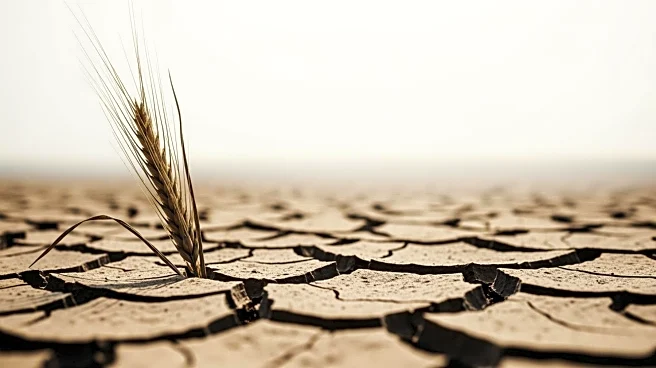
in a total crop failure in several areas, coinciding with the samba paddy harvest, which has reached 55% completion in the district. The yield deficit is expected to reduce paddy production by over 50,000 tonnes compared to the district's average output of 3.5 lakh tonnes. Traditionally, the district cultivates around 1.4 lakh hectares of samba paddy, a key agricultural season for local farmers. However, erratic water availability and prolonged dry spells have disrupted crop growth, particularly in rain-fed and tail-end irrigation areas. Farmers in Kadaladi, Kamudhi, Paramakudi, and parts of Mudukulathur are the most affected, with crops withering due to lack of irrigation during crucial growth stages.
Why It's Important?
The severe crop failure in Ramanathapuram district highlights the critical impact of water scarcity on agriculture, a vital sector for the region's economy and food security. The expected reduction in paddy production by over 50,000 tonnes could have significant economic repercussions for thousands of farmers who rely on this crop for their livelihoods. The situation underscores the urgent need for sustainable water management practices and infrastructure improvements to support irrigation, especially in regions prone to erratic rainfall and dry spells. The crop failure also raises concerns about food supply stability and the potential for increased prices, affecting consumers and markets beyond the immediate region.
What's Next?
The agriculture department has submitted detailed reports to the state government, seeking consideration for crop damage compensation. This could provide some financial relief to affected farmers. However, long-term solutions are necessary to address the underlying issues of water scarcity and irrigation infrastructure. Policymakers and agricultural experts may need to explore alternative water management strategies, such as rainwater harvesting and efficient irrigation systems, to mitigate future risks. Additionally, there may be increased advocacy for government intervention and support to enhance agricultural resilience against climate variability.
Beyond the Headlines
The crop failure in Ramanathapuram district may prompt broader discussions on the ethical and environmental responsibilities of water resource management. As climate change continues to alter weather patterns, regions dependent on agriculture face heightened vulnerability. This situation could lead to increased scrutiny of water allocation policies and the need for equitable distribution among agricultural, industrial, and domestic users. The event also highlights the potential for technological innovations in agriculture, such as drought-resistant crop varieties and precision farming techniques, to play a role in adapting to changing environmental conditions.