






What's Happening?
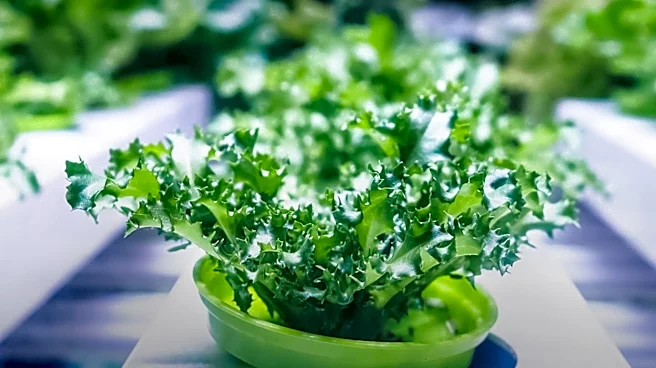
St. Vincent de Paul-Dubuque has officially opened a new urban farm, featuring 1,300 square feet of greenhouse space and 5,000 square feet of garden. This initiative aims to provide fresh produce year-round to the organization’s food pantry, also known
as the voucher center. The project faced a significant challenge when it lost $100,000 due to a contractor's bankruptcy. John Massey, the urban farm coordinator, discovered the setback on his first day, as the company Freight Farms, which was supposed to provide training, went bankrupt. Despite this, the project moved forward with $150,000 remaining from a gift by John Deere Dubuque Works and the John Deere Foundation. The greenhouse and garden were completed with assistance from Farmtek/Growspan, and St. Vincent de Paul Back2Work students helped with construction and will continue to assist with planting, maintenance, and harvesting.
Why It's Important?
This urban farm is crucial for addressing food insecurity in Dubuque, Iowa, by supplying fresh fruits and vegetables to the St. Vincent de Paul food pantry. With grocery prices on the rise, the farm is projected to grow at least 8,000 pounds of produce annually, offering a lower-cost alternative for those in need. St. Vincent de Paul board president Tom Danner highlighted that fresh produce is in high demand and quickly depleted from their shelves, making the year-round supply from the urban farm particularly vital, especially during colder months when outdoor gardening is not feasible. The project also provides valuable vocational training and work experience for St. Vincent de Paul Back2Work students, fostering community involvement and skill development.
What's Next?
The immediate goal for the St. Vincent de Paul urban farm is to consistently supply the food pantry with fresh produce. John Massey expressed a desire to grow more than enough produce to ensure every visitor to the voucher center leaves with at least one fresh item. There are plans for future expansion, indicating a long-term vision to broaden the farm's reach and impact within the community. The organization is also encouraging community members to donate or volunteer, which will be essential for the sustained operation and growth of the farm. The success of this initiative could serve as a model for other communities looking to establish sustainable, local food sources and provide support to vulnerable populations.
Beyond the Headlines
The St. Vincent de Paul urban farm exemplifies a growing trend in urban agriculture aimed at enhancing food access and community resilience. Beyond providing fresh food, such initiatives can foster a deeper connection between residents and their food sources, promote healthier eating habits, and create green spaces within urban environments. The project's ability to overcome a significant financial setback underscores the determination and adaptability often required in community-led development. Furthermore, integrating vocational training for students into the farm's operations highlights its potential as a multi-faceted community asset, addressing not only hunger but also education and workforce development. This model could inspire similar projects that combine social services with sustainable agricultural practices.