


What's Happening?
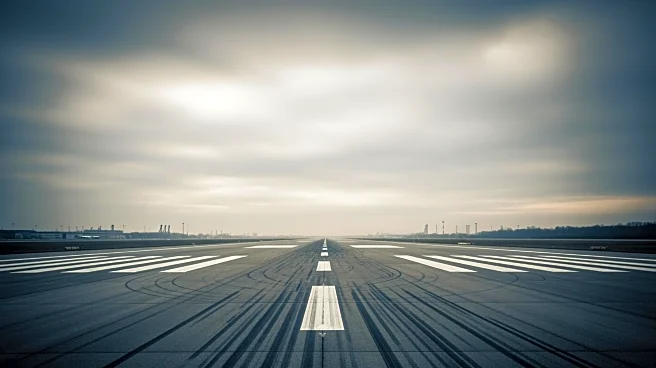
Iran is experiencing a significant reduction in air traffic, particularly in Tehran, due to economic pressures exacerbated by recent protests and U.S. military actions. The Iranian government has faced a wave of protests linked to economic grievances,
which have led to a substantial number of flight cancellations. Tehran's Mehrabad International Airport and Imam Khomeini International Airport have seen a drastic drop in scheduled flights, with cancellations often exceeding scheduled flights. This decline is attributed to the economic stagnation following the re-imposition of U.S. sanctions after the U.S. withdrew from the nuclear agreement in 2018. The protests, which began in late December, have further strained the situation, with the Iranian regime responding with a crackdown that included shutting down internet access.
Why It's Important?
The reduction in air traffic is a clear indicator of the broader economic challenges facing Iran, which are compounded by international sanctions and internal unrest. The U.S. military buildup in the region adds another layer of pressure on the Iranian economy. The decline in flights reflects not only economic stagnation but also the regime's efforts to control political dissent by limiting movement. This situation could lead to further economic downturns, potentially sparking more protests. The ongoing economic strain could also create divisions within Iran's ruling elite and affect the regime's stability, especially if the protests gain momentum.
What's Next?
The situation in Iran remains volatile, with potential for further protests if economic conditions do not improve. The U.S. military presence in the region could escalate tensions, leading to more stringent measures by the Iranian government to maintain control. The international community will likely continue to monitor the situation closely, as any significant unrest in Iran could have broader implications for regional stability and global oil markets. The Iranian regime may face increasing pressure both domestically and internationally to address the economic and political grievances of its population.
Beyond the Headlines
The ongoing economic and political challenges in Iran highlight the complex interplay between domestic policies and international relations. The sanctions and military pressures from the U.S. are part of a broader geopolitical strategy that affects not only Iran but also its relationships with major powers like China and Russia. These dynamics could influence Iran's future economic policies and its approach to international diplomacy. Additionally, the situation underscores the potential for economic sanctions to impact civilian populations, raising ethical questions about their use as a tool of foreign policy.