






What's Happening?
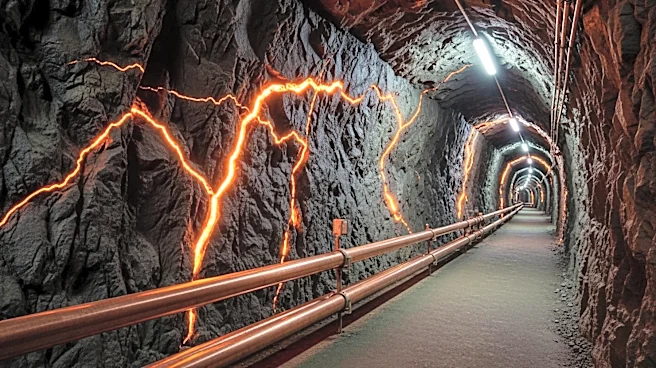
Cumberland, British Columbia, is exploring the potential of using abandoned coal mines to generate geothermal energy as part of the Cumberland District Energy project. In partnership with the University of Victoria-led Accelerating Community Energy Transformation
(ACET) initiative, the town aims to harness water trapped in old mine shafts to heat and cool buildings. This innovative approach could transform Cumberland into a model for clean energy innovation, leveraging its mining history to support a sustainable future. The project focuses on using heat pumps to regulate indoor temperatures, offering a low-cost, low-carbon energy solution.
Why It's Important?
The initiative represents a significant step towards sustainable energy solutions, demonstrating how communities can repurpose historical industrial sites for modern environmental benefits. By utilizing existing infrastructure, Cumberland can reduce its carbon footprint and promote energy efficiency, setting an example for other former mining towns. The project also highlights the potential of geothermal energy as a viable alternative to traditional heating and cooling methods, contributing to broader efforts to combat climate change. Additionally, the initiative could stimulate local economic development by attracting businesses and creating jobs.
What's Next?
As the project progresses, researchers will continue to assess the feasibility and scalability of the geothermal system. If successful, the initiative could expand to serve a wider area, providing energy to key community sites and potentially attracting new industries. The project may also inspire similar efforts in other regions, encouraging the adoption of innovative clean energy technologies. Continued collaboration with academic and governmental partners will be essential to overcoming technical and regulatory challenges and ensuring the project's long-term success.