





What's Happening?
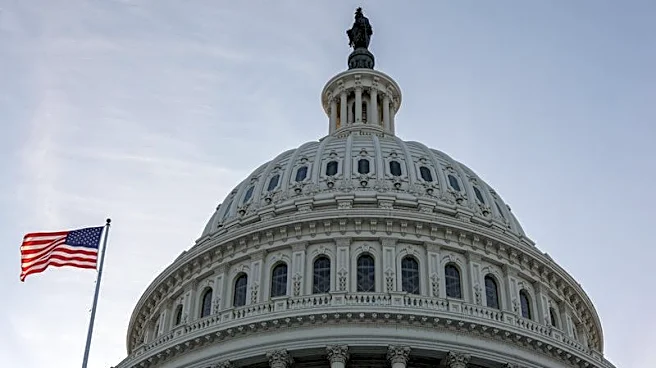
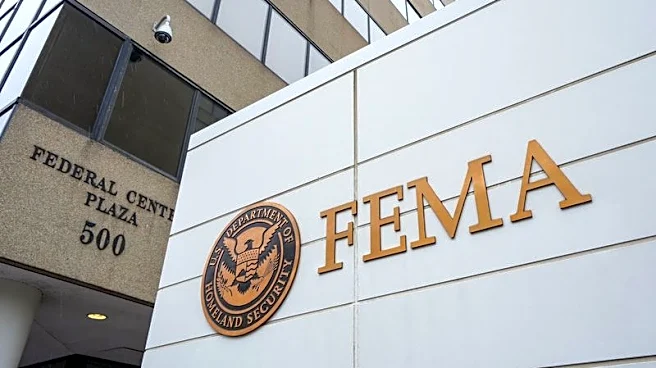
The U.S. Senate has unanimously passed a resolution to withhold senators' pay during government shutdowns, aiming to incentivize quicker resolutions to federal budget impasses. This decision comes in response to recent record-breaking shutdowns, including
a 76-day partial closure at the Department of Homeland Security and a 43-day full government shutdown. The resolution, sponsored by Sen. John Kennedy, will take effect after the upcoming general election and applies only to the Senate, not the House. The measure is intended to ensure 'shared sacrifice' among lawmakers during shutdowns, as federal workers often face financial hardships during these periods. Despite the constitutional requirement for lawmakers to be paid, this resolution seeks to align lawmakers' financial experiences with those of federal employees affected by shutdowns.
Why It's Important?
This resolution represents a significant shift in how lawmakers approach government shutdowns, potentially altering the dynamics of budget negotiations. By withholding their pay, senators may feel increased pressure to resolve budget disputes swiftly, reducing the duration and frequency of shutdowns. This could lead to more stable government operations and less financial strain on federal workers. The decision also highlights ongoing tensions between the Senate and the House, as the resolution does not apply to the latter. If successful, this measure could set a precedent for future legislative actions aimed at holding lawmakers accountable during budgetary stalemates.
What's Next?
The resolution will be implemented after the November general election, potentially influencing future budget negotiations. It remains to be seen whether the House will adopt a similar measure, as tensions between the two chambers persist. The effectiveness of this resolution in preventing prolonged shutdowns will be closely monitored, and its impact on legislative behavior could prompt further reforms. Additionally, public and political reactions to this measure may shape future discussions on government accountability and fiscal responsibility.